
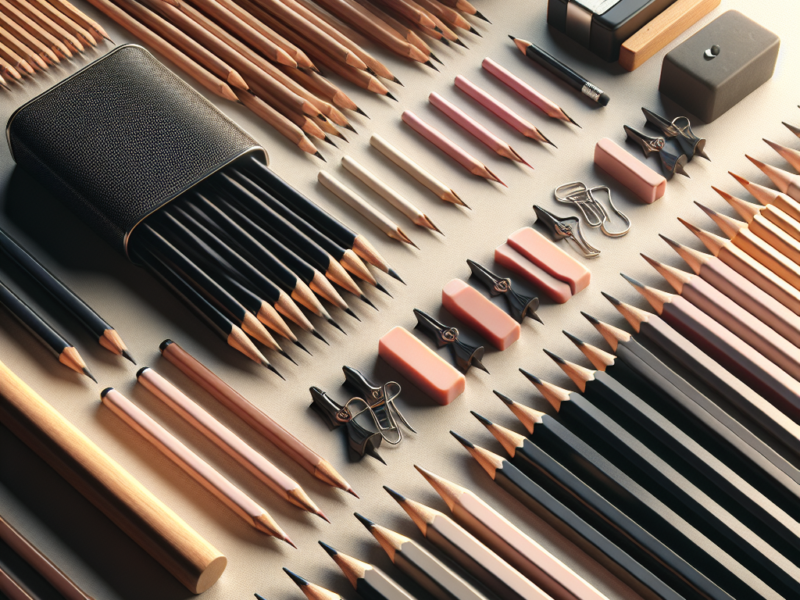
Beginner’s Guide to – Student Pencils for Beginners
Choosing the right pencil might seem simple, but for students just starting out, the right tool can make a big difference in comfort, performance, and learning outcomes. Whether you’re comparing wood vs mechanical pencils, exploring different coatings, or wondering how to choose the right pencil for schoolwork, this guide is designed to help beginners make informed decisions.
Summary
- Wood vs mechanical: Wood pencils are affordable and tactile; mechanical pencils offer precision and consistency.
- Coating overview: Coatings affect grip, comfort, and durability—look for non-slip, moisture-resistant finishes.
- Moisture control: Important for grip and longevity, especially in humid environments or for sweaty hands.
- How to choose: Consider writing style, hand strength, budget, and classroom needs when selecting your pencil type.
Why the Right Pencil Matters for Beginners
For students, especially younger ones, the right pencil can influence handwriting development, reduce hand fatigue, and encourage neatness. A pencil that’s too hard, too slippery, or uncomfortable can lead to frustration and poor posture. Starting with the right tool builds confidence and sets a strong foundation for learning.
Wood vs Mechanical: What’s the Difference?
Wood Pencils
Wooden pencils are the traditional choice and often the first type a student uses. They’re affordable, widely available, and come in a range of hardness levels.
- Pros: Economical, tactile feedback, easily sharpened to a fine point.
- Cons: Requires sharpening, can break under pressure, less consistent line width.
Mechanical Pencils
Mechanical pencils use refillable lead and don’t require sharpening, making them convenient for students who prefer a consistent writing experience.
- Pros: Consistent line, no sharpening needed, reusable/refillable.
- Cons: More expensive, may break if dropped, complex mechanisms can fail.
Which One is Better for Beginners?
For early learners in primary school, wood pencils are often better due to their simplicity and the motor skills they help develop. Mechanical pencils are more suitable for older students who need precision for diagrams, math, or detailed notes.
[Image: comparison of wood vs mechanical pencils]
Understanding Pencil Coatings: Grip and Comfort
Why Coating Matters
The coating on a pencil affects how it feels in the hand. A smooth lacquer might look nice but can be slippery, while a matte or rubberized coating can offer more grip, which is essential for beginners still developing fine motor control.
Types of Pencil Coatings
- Glossy lacquer: Shiny and colorful, but often slippery.
- Matte finish: Offers a bit more grip and a softer feel.
- Rubberized grip: Found on some mechanical pencils or hybrid wood pencils; ideal for comfort and control.
- Natural wood: Uncoated or lightly coated pencils provide a tactile, organic feel, but may absorb moisture.
Best Coating for Beginners
Look for pencils with a matte or lightly textured coating. These help prevent slippage and reduce hand fatigue during long writing sessions.
[Image: close-up of different pencil coatings]
Moisture Control: A Hidden Factor in Pencil Performance
Why Moisture Matters
Pencils are often used for extended periods, and sweaty hands or humid environments can affect grip and durability. Moisture can also warp wooden pencils or cause lead to slip inside mechanical ones.
Tips for Moisture Control
- Choose coated pencils: Matte or rubberized coatings resist moisture better than glossy finishes.
- Use pencil grips: Foam or silicone grips can improve hold and absorb sweat.
- Store properly: Keep pencils in a dry case or pouch to avoid warping or rusting of metal parts.
Ideal Picks for Humid Climates
In tropical or high-humidity areas, mechanical pencils with metal-free designs or plastic barrels are more resistant to moisture damage. For wood pencils, sealed coatings and synthetic erasers perform better over time.
How to Choose the Right Pencil for a Student
Consider the Student’s Age and Skill Level
- Early learners (ages 5–8): Use jumbo wood pencils with soft leads (HB or 2B) and thick barrels for easier grip.
- Middle school students: Standard wood pencils or beginner-friendly mechanical pencils with 0.7mm lead are ideal.
- High school and college: Mechanical pencils with fine lead (0.5mm) for precision work, or high-quality wood pencils for art and sketching.
Match the Pencil to the Task
- Writing: HB or #2 pencils offer a balance between darkness and durability.
- Drawing: Softer leads (2B–6B) for shading; harder leads (H–2H) for fine lines.
- Math and diagrams: Mechanical pencils with fine leads ensure sharp, consistent lines.
Test Before You Buy
If possible, let the student try different pencil types. Pay attention to how easily they grip the pencil, the pressure needed to write, and whether the pencil smudges or breaks.
[Image: child holding different pencil types]
Checklist: What to Look for in a Beginner-Friendly Pencil
- Comfortable grip (matte or rubberized coating)
- Appropriate lead hardness (HB or softer for writing)
- Durable construction (resistant to breaking)
- Moisture-resistant materials
- Easy to sharpen or refill
- Affordable and accessible replacements
Common Mistakes to Avoid
- Choosing pencils that are too hard: Leads like 2H or 4H can feel scratchy and discourage neat writing.
- Ignoring the coating: Slippery pencils can cause hand strain and poor control.
- Overcomplicating with gadgets: Mechanical pencils with too many features can confuse beginners.
Recommended Pencil Types for Students
Top Picks for Wood Pencils
- Staedtler Noris HB: Reliable, break-resistant, and comfortable for writing.
- Ticonderoga #2: Classic American pencil known for smooth writing and easy sharpening.
- Faber-Castell Jumbo Grip: Ideal for early learners with triangular ergonomic design.
Top Picks for Mechanical Pencils
- Pentel Sharp Kerry: Sleek, balanced, and great for older students.
- Pilot Dr. Grip: Rubberized grip and ergonomic barrel reduce hand fatigue.
- BIC Xtra-Sparkle: Budget-friendly and fun for younger students.
Frequently Asked Questions
What’s the difference between HB and 2B pencils?
HB pencils are medium hardness, ideal for general writing. 2B pencils are softer, producing darker lines, but wear down faster. For beginners, HB is usually best.
Are mechanical pencils allowed in schools?
Policies vary. Some schools prefer wood pencils for exams or early grades. Always check with the teacher or school guidelines.
How often should pencils be replaced?
Wood pencils last longer with proper sharpening. Mechanical pencils can last indefinitely if refilled. Replace when the lead breaks frequently or the pencil becomes uncomfortable.
Final Thoughts: Helping Students Start Strong
For beginners, the right pencil can make a big difference in writing comfort, control, and confidence. Whether you choose wood or mechanical, pay attention to grip, coating, moisture control, and lead type. With a bit of guidance, students can find a pencil that supports their learning journey and keeps them focused on what matters most—growing their skills.
Ready to explore beginner-friendly pencils? Check out our student pencil collection for handpicked options that combine comfort, quality, and affordability.