
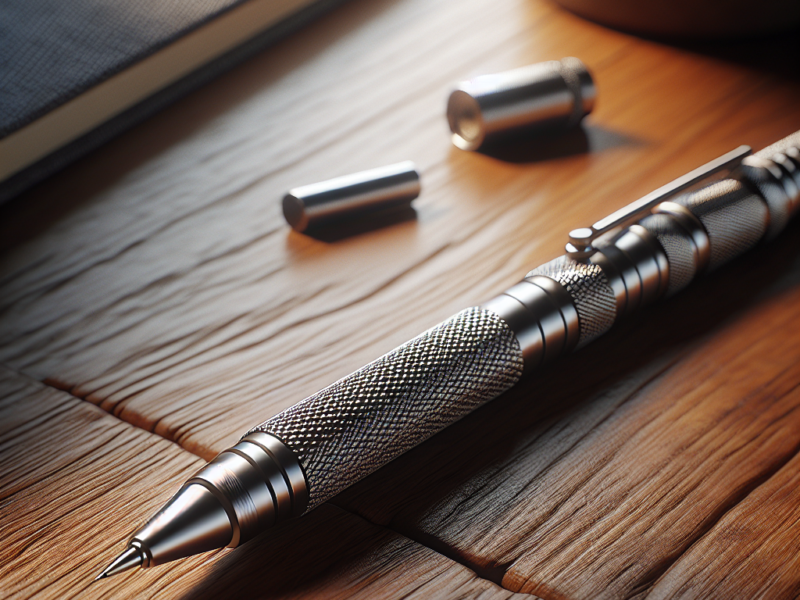
Writing Comfort and Sustainable Pencil Choices Explained
Whether you’re jotting down notes in a lecture hall or sketching in a design studio, the pencil you choose can significantly impact your writing experience—and the environment. In an age where sustainability is no longer optional, understanding the balance between writing comfort and eco-conscious design is more important than ever. This guide breaks down the pros and cons of wood vs. mechanical pencils, explores innovations in sustainable materials, and helps students and professionals alike make informed choices.
Why Writing Comfort Still Matters in a Digital Age
Despite the rise of tablets and laptops, pencils remain indispensable tools in classrooms, studios, and offices. The tactile feedback of graphite on paper is irreplaceable for many. But not all pencils are created equal when it comes to comfort. Ergonomics, grip texture, weight distribution, and lead smoothness all contribute to how enjoyable and strain-free your writing or drawing session will be.
For students, especially those in primary and secondary education, prolonged writing sessions demand tools that reduce hand fatigue. Mechanical pencils often win points for consistent line thickness and no need for sharpening, but wood pencils offer a softer touch and are often preferred for sketching or shading.
Ultimately, comfort is subjective—but understanding the physical differences between pencil types can help you choose the right tool for your needs.
Wood vs. Mechanical: A Closer Look at Pencil Types
The classic wooden pencil is a staple in education and art. Made from cedar or other softwoods, these pencils are biodegradable and simple to manufacture. However, they require sharpening, and their lifespan is limited to the length of the pencil itself.
Mechanical pencils, on the other hand, are designed for longevity. They use refillable graphite leads and often feature ergonomic grips, making them ideal for repetitive writing tasks. But they’re typically made from plastic and metal, raising concerns about recyclability and long-term environmental impact.
Here’s a quick comparison:
- Wood Pencils: Biodegradable, lower carbon footprint, but single-use and often sourced from trees.
- Mechanical Pencils: Reusable, consistent writing quality, but usually made from non-renewable materials.
Choosing between them depends on your priorities: sustainability, writing quality, or convenience.
The Sustainability Question: What’s the Greener Choice?
At first glance, wood pencils might seem like the eco-friendlier option. They’re made from renewable resources and naturally decompose. However, deforestation and unsustainable harvesting practices can offset these benefits. Certifications like FSC (Forest Stewardship Council) ensure that wood is sourced responsibly, so look for these labels when buying wooden pencils.
Mechanical pencils, while reusable, are often made from plastics that don’t break down easily. However, some brands now offer mechanical pencils made from recycled materials or biodegradable bioplastics. These innovations are helping bridge the gap between functionality and environmental responsibility.
For those seeking a hybrid solution, refillable wood pencils like the Blackwing series offer high-quality graphite with replaceable erasers and a longer lifespan than standard wooden pencils.
Innovative Materials and the Future of Sustainable Stationery
Recent developments in material science are pushing the boundaries of what sustainable stationery can look like. A compelling example comes from a study published in *Sensors and Actuators B: Chemical*, where researchers developed a humidity-responsive paper actuator called the Paperbot. This origami-inspired device uses simple paper and responds to environmental humidity to create motion—no batteries or motors required.
While not a pencil per se, the Paperbot demonstrates how everyday materials like paper can be engineered for high-functioning, low-impact applications. This kind of innovation has implications for the stationery industry, suggesting that future writing tools could incorporate responsive, biodegradable materials that enhance both usability and sustainability.
Such developments encourage collaboration between fields like environmental engineering and product design, paving the way for pencils and other writing tools that are not just greener, but smarter.
Best Pencil Choices for Students: Balancing Cost, Comfort, and Sustainability
Students have unique needs: affordability, durability, and comfort are top priorities. For younger students, triangular wood pencils with a soft graphite core (e.g., 2B) are easier to grip and write with. Their biodegradable nature also makes them a better classroom choice from a sustainability standpoint.
Older students, especially those in high school or college, may benefit from mechanical pencils with cushioned grips and retractable tips. Brands like Pentel and Zebra offer models made from recycled plastics, striking a balance between performance and environmental impact.
Some schools and universities are now incorporating sustainability into their supply policies, encouraging the use of refillable or FSC-certified products. If you’re a student or parent, consider buying in bulk from eco-conscious suppliers to reduce packaging waste and cost.
Manufacturing Insights: The Supply Chain Behind Your Pencil
Understanding how pencils are made can further inform sustainable choices. Traditional wood pencils undergo a multi-step process: wood slats are cut, grooves are milled, graphite cores are inserted, and the halves are glued together. The pencils are then painted, stamped, and fitted with erasers. This process, while relatively low-tech, consumes water and energy and produces wood waste.
Mechanical pencils involve more complex assembly lines, often requiring injection molding for plastic components and precision engineering for internal mechanisms. While their production is more resource-intensive, the reusability of mechanical pencils can offset their initial environmental cost over time.
OEM manufacturers are increasingly turning to greener practices—such as using solar-powered factories, reducing packaging, and sourcing recycled materials—to meet consumer demand for eco-friendly products. If you’re sourcing pencils for institutional use, look for manufacturers that publish sustainability reports or adhere to ISO 14001 environmental standards.
Final Thoughts: Making Informed, Impactful Choices
Choosing the right pencil isn’t just about aesthetics or cost—it’s a decision that affects your comfort, your productivity, and the planet. Whether you’re a student, artist, or office worker, taking a moment to consider the sustainability and ergonomics of your writing tools can lead to better outcomes all around.
As innovations like the Paperbot show, the future of stationery lies in smart, sustainable design. By supporting brands and manufacturers that prioritize both performance and environmental responsibility, we can write a better future—one pencil at a time.
For further reading on sustainable product design and eco-conscious materials, explore:
- Forest Stewardship Council – Learn about responsible wood sourcing certifications
- Pentel Sustainability Initiatives – See how major brands are reducing their environmental impact