
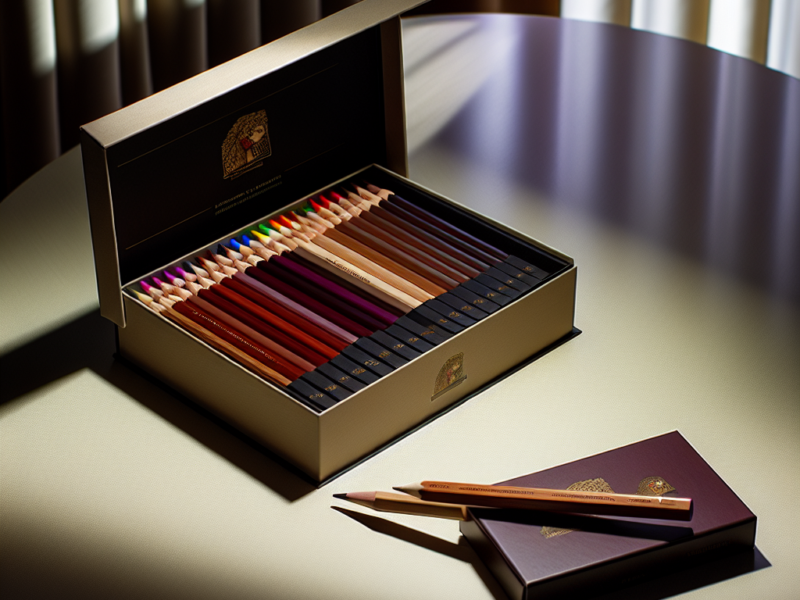
In the ongoing debate of wooden vs mechanical pencils, tradition continues to hold its ground. While modern tools offer convenience and innovation, the enduring popularity of wooden pencils reveals something deeper than utility—something tactile, emotional, and educational. From classrooms to art studios, wooden pencils remain a staple, not merely out of habit, but because they fulfill needs that their mechanical counterparts often overlook.
The Core Differences: Design, Function, and Feel
At first glance, wooden and mechanical pencils may seem to serve the same purpose: writing and drawing. But their core designs reflect different philosophies. A wooden pencil is a single-use tool, typically made from cedar or basswood, encasing a graphite core that requires sharpening as it’s used. Mechanical pencils, on the other hand, feature a reusable casing with a replaceable lead, offering consistent line thickness and eliminating the need for sharpening.
The feel of each is distinct. Wooden pencils provide a warm, natural grip that changes as the pencil is whittled down. Mechanical pencils maintain a consistent length and weight, often preferred for precision work. Yet this consistency can come at the cost of the organic experience many users appreciate in traditional writing instruments.
Cost Considerations: Affordability in Education
One of the most cited reasons wooden pencils remain dominant in schools is cost. A box of 12 high-quality wooden pencils often costs less than a single mid-range mechanical pencil. For educational institutions purchasing in bulk, this price gap is significant. According to Durzer DPencil, budget constraints in public education systems make wooden pencils the more viable option for large-scale distribution.
Additionally, wooden pencils are less prone to maintenance issues. A lost or broken wooden pencil is easily replaced, whereas a mechanical pencil with a jammed mechanism or missing eraser may require repair or replacement parts—costs that add up quickly in a classroom setting.
| Feature | Wooden Pencil | Mechanical Pencil |
|---|---|---|
| Initial Cost | Low | Moderate to High |
| Refillable | No | Yes |
| Maintenance | Minimal | Moderate |
| Durability | Breaks easily | More durable casing |
| Sharpening Needed | Yes | No |
Handwriting and Tactile Feedback
In early education, handwriting development is critical. Wooden pencils offer a tactile resistance that enhances motor skill development. The physical act of sharpening a pencil and the changing grip length contribute to a more engaged writing experience. Teachers often prefer wooden pencils for younger students for this very reason—they provide sensory feedback that helps children learn how to control pressure and angle more effectively.
Mechanical pencils, while smooth and efficient, can sometimes glide too easily across paper, reducing the friction necessary for learning proper letter formation. As noted by Preuss Insider, this can hinder the learning process, especially in early developmental stages.
The Emotional and Cultural Connection
There’s an undeniable nostalgia tied to wooden pencils. The scent of freshly sharpened cedar, the feel of graphite on paper, and even the ritual of sharpening are all part of a sensory experience that connects users to their work. This emotional resonance is often absent in mechanical pencils, which, while efficient, can feel sterile or impersonal.
In creative fields like illustration and writing, many professionals still default to wooden pencils during the ideation phase. The imperfection of a wooden pencil—the way it dulls, the variety of lines it produces—can help stimulate creativity. It’s not just about drawing or writing; it’s about engaging with the medium in a way that feels human.
Mechanical Advantages: Where They Excel
That said, mechanical pencils are not without merit. In technical fields—architecture, engineering, drafting—the precision and consistency of mechanical pencils are invaluable. As highlighted in Nicholas Hemingway’s analysis, mechanical pencils offer a level of control that wooden pencils simply can’t match. Their fine-point leads, often ranging from 0.3mm to 0.9mm, are ideal for detailed work where line thickness must remain uniform.
Moreover, for users who write extensively, the convenience of not having to sharpen a pencil is a major time-saver. Mechanical pencils are also more environmentally friendly in the long term, as they reduce wood consumption and can be used for years with proper care.
Manufacturing and Material Insight
From a manufacturing standpoint, wooden pencils involve a relatively straightforward process: wood slats are grooved, graphite cores inserted, and another slat glued on top before shaping and lacquering. The process is highly scalable and cost-effective. Most wooden pencils are made from incense cedar, a softwood prized for its sharpening ease and pleasant scent.
Mechanical pencils, however, require more complex assembly. They involve injection-molded plastic or machined metal components, internal clutch mechanisms, and precision tolerances. While this makes them more durable and reusable, it also increases production costs and complexity. OEM pencil manufacturers must source multiple components—springs, grips, erasers, lead sleeves—from specialized suppliers, adding layers to the supply chain.
Environmental Considerations
On the surface, mechanical pencils appear more sustainable due to their reusability. However, the environmental impact of plastic and metal production, especially in mass-market models, can offset these benefits. Wooden pencils, particularly those made from sustainably harvested wood, offer a biodegradable alternative. Some brands now use FSC-certified wood or recycled materials to reduce their ecological footprint.
Still, both types of pencils can be made more eco-friendly with thoughtful design. Mechanical pencils with metal bodies and replaceable erasers, for instance, can last decades. Meanwhile, wooden pencil makers are exploring water-based lacquers and non-toxic adhesives to minimize environmental harm.
Use Case Scenarios: Choosing the Right Tool
The right pencil often depends on the task at hand. Here’s a quick breakdown of ideal use cases for each type:
- Wooden Pencils: Best for handwriting practice, sketching, casual note-taking, and early education.
- Mechanical Pencils: Ideal for technical drawing, long writing sessions, precision sketching, and professional drafting.
Understanding the context of use is critical. A student learning cursive will benefit more from the feedback of a wooden pencil, while an engineer designing circuit layouts will find mechanical pencils indispensable.
Pros and Cons Summary
| Type | Pros | Cons |
|---|---|---|
| Wooden Pencil |
|
|
| Mechanical Pencil |
|
|
Why Tradition Still Prevails
Despite the efficiency and modern appeal of mechanical pencils, wooden pencils continue to thrive because they offer more than just function. They provide a connection to the physical act of writing—a ritual that many find grounding in an increasingly digital world. In education, art, and even professional settings, wooden pencils serve as a reminder that sometimes simplicity is not a limitation but a virtue.
As schools continue to prioritize budget-friendly, developmentally appropriate tools, and as artists seek materials that respond naturally to their touch, wooden pencils will remain relevant. They are not relics of the past, but rather enduring tools that meet human needs in ways machines often overlook.
Further Reading and Industry References
- Why Mechanical Pencils Don’t Replace Wooden Pencils in Schools
- Mechanical Pencils vs Wooden Pencils: Pros and Cons
- Wooden or Mechanical Pencils: Which is Better?
In the final analysis, the question of wooden vs mechanical pencils is less about which is superior and more about which is appropriate. Tradition prevails not because it resists change, but because it still serves a purpose—one that technology, for all its benefits, has yet to fully replicate.
Related Reading
- Kiln-Dried Wood Pencils: Ensuring Stability and Quality
- The Importance of Consistent Wood Grain in Basswood Pencils
- Basswood vs Poplar: Key Factors for Importers
- Triangular Pencil Benefits for Better Handwriting and Comfort
- Technical Drawing Pencils Guide to Grading and Hardness
- HB Pencil Scale Explained for Writing and Drawing