
Wood vs Mechanical: How to Choose Pencils
Whether you’re an artist, educator, or procurement specialist, the decision between wood and mechanical pencils is more than a matter of preference—it directly impacts performance, cost-efficiency, and user satisfaction. Pencils are foundational tools across industries, yet many users remain unsure how to choose the right type for their specific needs.
This guide helps clarify the wood vs mechanical debate with a step-by-step approach rooted in industry knowledge. From understanding graphite formulations to knowing which pencil type suits which task, we’ll walk you through the considerations that make a real difference in quality, durability, and usability.
Understanding the Topic & Its Importance
Pencils are deceptively simple tools. But when used in classrooms, studios, or technical fields, the wrong choice can lead to inconsistent results, breakage, or unnecessary cost. Artists need line precision and tonal range. Schools prioritize safety, affordability, and ease of use. OEM buyers look for consistency, compliance, and brand differentiation. Each group benefits from understanding the material science and design behind pencil types.
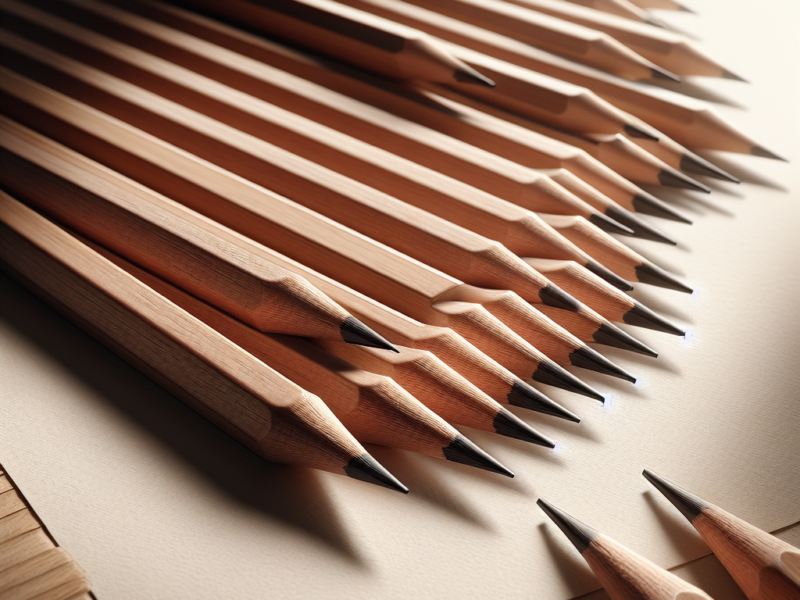
Wood pencils, typically made from cedar or basswood, offer a tactile experience and a broad range of graphite grades. They allow for expressive strokes and are easy to control in terms of pressure and shading. Mechanical pencils, on the other hand, are precision tools. Their constant line width and refillable design appeal to technical users and those who prefer a cleaner, more uniform output.
From a manufacturing standpoint, key factors like graphite composition, wood grain uniformity, lacquer coating, and moisture stability all influence how a pencil performs. For example, poorly dried wood can warp or crack, affecting sharpening and writing quality. Likewise, low-density graphite may crumble, leading to frequent breakage and user frustration.
Essential Tools & Pencil Specifications
Pencil choice starts with understanding the available options. Wood pencils come in various graphite grades, from 9H (hardest) to 9B (softest). The most common for general use is HB, which balances hardness and darkness. Artists often lean toward B grades for shading, while engineers may prefer H grades for fine lines.
Mechanical pencils vary by lead diameter—typically 0.3mm, 0.5mm, 0.7mm, or 0.9mm. Thinner leads are ideal for technical drawing, while thicker leads suit sketching or note-taking. Some mechanical pencils also allow for interchangeable lead grades, offering flexibility for users who need both precision and expression.
Sharpeners matter too. A high-quality sharpener with a fixed blade angle preserves the wood casing and reduces lead breakage. For mechanical pencils, a lead advancement mechanism that prevents overexposure is critical to avoid snapping. Paper quality also plays a role—rough paper wears down leads faster, while ultra-smooth sheets may reduce friction and control.
Storage should not be overlooked. Pencils—especially wood ones—should be kept in dry, stable environments to prevent moisture absorption. This preserves the integrity of the wood and prevents swelling or splitting. Mechanical pencils should be stored with leads retracted to avoid tip damage.
Step-by-Step Techniques or Best Practices
Start by selecting the correct pencil for the task. If you’re shading a portrait, a 4B or 6B wood pencil offers the softness needed for smooth transitions. For architectural drafting, a 0.5mm mechanical pencil with 2H lead delivers consistent, fine lines without smudging. Matching the tool to the task improves both efficiency and output quality.
Hold the pencil correctly—wood pencils benefit from a slightly angled grip that allows for line variation, while mechanical pencils work best with a vertical grip for uniform pressure. This affects control and reduces fatigue during long sessions.
Sharpen wood pencils using a manual sharpener with a steel blade. Electric sharpeners can overheat the lead or remove too much wood, shortening the pencil’s lifespan. Rotate the pencil while sharpening to maintain a centered core. For mechanical pencils, load the lead gently and avoid over-clicking, which can cause internal jamming or lead breakage.
Clean the tip regularly. Graphite build-up can smudge work and reduce accuracy. A soft cloth or kneaded eraser can remove residue without damaging the tip. Always test new pencils on scrap paper to check for inconsistencies in the graphite core or casing alignment.
Finally, store pencils horizontally if possible. This prevents internal cracking in wood pencils and avoids tip damage in mechanical ones. For bulk storage, use moisture-controlled containers to maintain material integrity.
Common Mistakes & How to Fix Them
One common mistake is using the wrong graphite grade. A student using a 6B pencil for note-taking will end up with smudged pages and frequent sharpening. Switching to an HB or F grade solves this by providing a cleaner, longer-lasting line.
Improper sharpening is another issue. Over-sharpening exposes too much graphite, making it prone to breakage. Under-sharpening leads to dull lines and increased pressure, which can strain hands. A balanced, conical tip is ideal for most applications.
In mechanical pencils, using incompatible lead diameters causes jamming or slipping. Always check the barrel specifications before inserting new leads. Also, many users forget to clean the lead sleeve, leading to residue build-up that affects line quality. A quick wipe with a dry cloth every few weeks keeps it in working order.
Another overlooked issue is moisture exposure. Wood pencils stored in humid environments can swell, leading to cracking or poor sharpening performance. Using silica gel packets in storage boxes helps absorb excess moisture and maintain pencil condition.
Pro Tips & Manufacturer Insight
From the production line, we know that graphite density directly impacts performance. High-density graphite cores deliver smoother lines and resist breakage, especially in mechanical formats. Low-density cores may feel gritty and crumble under pressure. Our lab tests ensure each batch meets tolerance standards for consistency and strength.
Wood selection is equally critical. Incense cedar remains the gold standard due to its straight grain and low resin content. This allows for clean sharpening and minimal splintering. Basswood is a more economical alternative but requires additional coating to improve durability.
Coating durability affects both aesthetics and function. A high-quality lacquer not only enhances visual appeal but also protects the wood from moisture and handling wear. Our coatings are tested for abrasion resistance and compliance with safety standards such as ASTM D4236 and EN71 Part 3 for heavy metals.
Moisture control begins at the kiln-drying stage. Wood that isn’t properly dried will later warp or split, especially when exposed to varying climates. We maintain a strict moisture content range of 6–8% before assembly to ensure long-term stability.
For OEM clients, we offer custom graphite formulations, branding options, and packaging tailored to specific market needs—whether for school supply contracts or premium artist lines. Every component, from ferrule to eraser, is selected with both function and compliance in mind.
Helpful References & Further Reading
Further reading: The Difference Between Hard and Soft Pencils
Further reading: Guide to Mechanical Pencil Leads
Further reading: Cult Pens Guide to Pencil Leads
Conclusion
Choosing between wood and mechanical pencils isn’t just about tradition or technology—it’s about matching the right tool to the right task. By understanding the materials, mechanics, and best practices behind each pencil type, users can improve their output, reduce waste, and enjoy a more satisfying creative or technical experience.
Whether you’re sourcing for a classroom, stocking an art supply store, or designing your own branded pencil line, these insights offer a foundation for smarter decisions. With the right knowledge, every pencil becomes a precision instrument—not just a writing tool.
Call to Action
Looking for OEM pencil manufacturing, wholesale supply, or custom sampling? Contact our team to explore your options in wood and mechanical pencil production—built to your specs, backed by decades of expertise.