
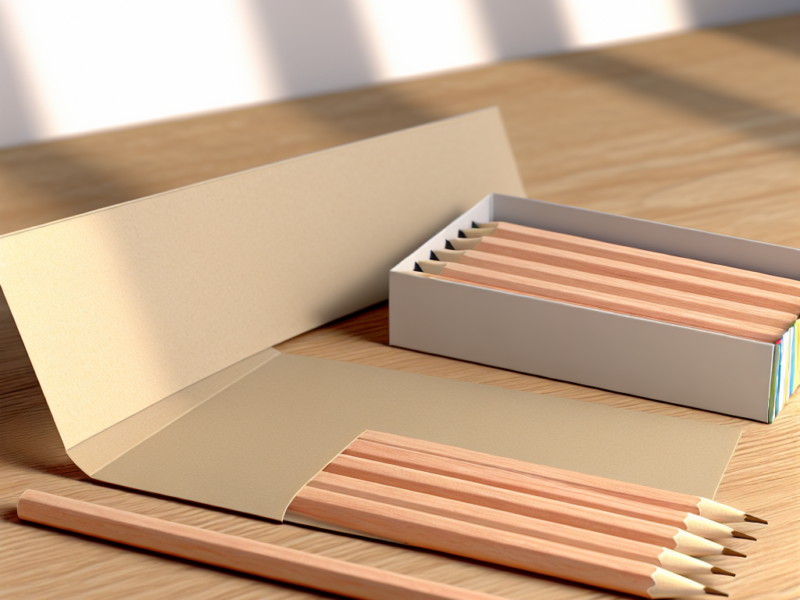
Why Basswood Pencils Are Best for Precision Work
For artists, designers, engineers, and anyone who relies on the accuracy of a pencil line, not all pencils are created equal. When it comes to basswood pencils, there’s a compelling reason they continue to gain popularity among professionals and enthusiasts alike. The choice of pencil wood material plays a surprisingly significant role in the precision and performance of a pencil—and basswood delivers on both fronts.
Whether you’re sketching fine architectural details or shading delicate gradients in a portrait, the wood casing around the graphite core must support your work, not hinder it. In this article, we’ll explore what makes basswood the go-to material for precision pencil work, how it compares to other woods, and why it’s become a staple in both budget and professional-grade pencil manufacturing.
The Role of Wood in Pencil Performance
Most people focus on the graphite grade when choosing a pencil, but the wood casing is just as critical—especially for precision tasks. The ideal pencil wood should:
- Sharpen cleanly without splintering
- Hold a fine point without crumbling
- Provide tactile comfort during use
- Be lightweight yet strong enough to protect the core
Basswood meets all these criteria with a unique balance of softness, uniform texture, and affordability. Unlike denser woods like cedar, which are prized but expensive, basswood offers a practical alternative without sacrificing functionality.
What Is Basswood, and Why Is It Used in Pencils?
Basswood (Tilia spp.) is a lightweight hardwood native to North America, Europe, and parts of Asia. It’s known for its pale color, fine grain, and workability—traits that make it a favorite among woodcarvers and craftsmen. In pencil manufacturing, these same properties translate into real advantages:
- Uniform texture: Reduces splintering during sharpening
- Low density: Makes the pencil lighter and easier to handle
- Machinability: Ideal for high-speed production lines
According to the Hongzintai Basswood Pencils Buying Guide, the wood’s soft, smooth surface makes it particularly well-suited for artists who require consistent sharpening and clean lines. These qualities are essential for detailed work, where even minor inconsistencies in the pencil casing can throw off accuracy.
Why Basswood Excels in Precision Work
Precision work demands more than just a sharp point—it requires a pencil that can maintain that point without frequent breakage or uneven sharpening. Here’s where basswood shines:
Smooth Sharpening for Consistent Points
Basswood’s fine, even grain allows for clean sharpening, whether using a hand sharpener, knife, or electric device. This is especially important for technical drawing or fine illustration, where a jagged or broken tip can ruin a line or detail. Users on Reddit’s pencil community praise basswood for its “buttery” sharpening feel and ability to form a precise point with minimal effort.
Durability Without Density
Despite being softer than cedar, basswood is surprisingly durable in practical use. It protects the graphite core without adding unnecessary weight or resistance. This makes it ideal for extended drawing sessions, where fatigue and tool control are factors. Artists and writers alike benefit from the reduced strain on hands and wrists.
Reduced Breakage = Less Frustration
One of the most frustrating issues in precision work is tip breakage. Basswood’s softness allows the blade to glide through the wood rather than splinter it, which helps preserve the integrity of the graphite core. This means fewer interruptions, less waste, and more focus on the task at hand.
Comparison: Basswood vs. Other Pencil Woods
To understand basswood’s place in the pencil world, it helps to compare it with other commonly used woods:
| Wood Type | Sharpening Ease | Durability | Cost | Best Use |
|---|---|---|---|---|
| Basswood | Excellent | Moderate | Low | Precision drawing, everyday use |
| Incense-Cedar | Excellent | High | High | Premium pencils, archival work |
| Poplar | Moderate | Moderate | Low | Budget pencils, general use |
| Jelutong | Good | Low | Moderate | Craft pencils, carving |
As seen above, basswood strikes a strong balance between performance and affordability. While it may not be as luxurious as incense-cedar, it delivers where it counts—especially for those focused on precision.
Basswood in Colored and Graphite Pencils
Interestingly, basswood is not just limited to graphite pencils. It’s also a popular choice for colored pencils, particularly those aimed at artists. According to cpencils.com’s guide on colored pencil wood, basswood’s softness allows it to hold pigment cores securely and evenly. This enhances color vibrancy and blending—key features in colored pencil art.
Whether you’re layering colors or hatching fine lines, basswood’s ability to maintain a sharp tip without crumbling makes it a reliable ally in creative expression.
The Manufacturing Advantage: Why Pencil Makers Love Basswood
From a production standpoint, basswood offers significant efficiencies. In large-scale pencil manufacturing, consistency and machinability are crucial. A report from PencilChina.com explains that basswood’s easy-to-process nature makes it ideal for automated manufacturing lines. Its wear resistance and uniform grain reduce tool wear and allow for faster, cleaner cuts.
These characteristics help manufacturers maintain quality control while keeping costs down—a win-win for both producers and consumers.
Pros and Cons of Basswood Pencils
Let’s break down the strengths and trade-offs of using basswood in pencil construction:
- Pros:
- Excellent sharpening properties
- Lightweight and comfortable to use
- Affordable without sacrificing function
- Ideal for both graphite and colored pencils
- Supports fine detail and precision work
- Cons:
- Slightly less durable than cedar
- May feel too soft for users who prefer firmer woods
- Not as aromatic or premium-feeling as cedar
Who Should Use Basswood Pencils?
Basswood pencils are a smart choice for a wide range of users:
- Artists: Ideal for sketching, shading, and fine line work
- Designers and architects: Reliable for technical drawings and drafts
- Students: Affordable and easy to sharpen in classroom settings
- Writers: Comfortable for long writing sessions with minimal breakage
Whether you’re a professional illustrator or a student taking notes, basswood pencils offer a practical blend of performance and price that’s hard to beat.
Conclusion: The Unsung Hero of Precision Pencils
In the world of pencil making, basswood may not have the mystique of incense-cedar, but it more than earns its place through functional excellence. Its smooth sharpening, consistent grain, and lightweight comfort make it a top choice for precision work across artistic and technical disciplines.
As demand grows for high-performance tools that don’t break the bank, basswood continues to prove itself as the ideal pencil wood material for the modern user. Whether you’re drawing the tiniest architectural detail or blending color in a portrait, a well-crafted basswood pencil will meet the moment—quietly, reliably, and precisely.
For further exploration into pencil materials and manufacturing, check out the comprehensive Pencil Buying Guide from Pencils.com.
Related Reading
- Everything About FSC Certified Pencils for Global Distributors
- Top School Pencils for B2B Buyers
- Everything About HB Pencils in Bulk for Australia Importers
- Ultimate Buyer Guide for HB Pencils in Bulk for Global Distributors
- Complete Guide to Non‑Toxic Pencils for Wholesale Orders
- Top Colored Pencils Wholesale for Brand Owners
- Complete Guide to Colored Pencils Wholesale for Global Distributors