
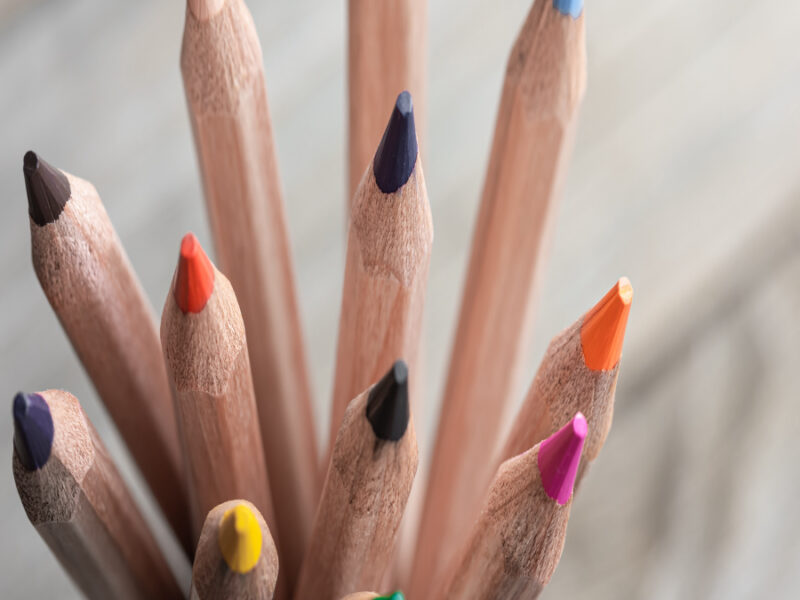
Shipping pencils, particularly for export, poses unique challenges due to their fragile nature and susceptibility to a variety of environmental and logistical factors. Damage during pencil shipping is mostly caused by inadequate packaging, the presence of void spaces, the use of flimsy materials, and exposure to adverse environmental conditions such as temperature and humidity fluctuations. These factors increase the risk of pencil breakage, damage to the pencil’s outer casing, and degradation of colored pencil pigments. Therefore, it is crucial to use suitable packaging methods, materials, and environmental precautions to minimize these risks and protect the integrity of pencils during transport.
Understanding Shipping Damage in Pencil Manufacturing
Damage during pencil shipping can be understood by examining the various elements that contribute to it. These include the nature of the pencils themselves, the methods of packaging, and the external conditions during transportation. Each of these elements has specific characteristics that make pencils particularly vulnerable during shipping.
The Nature of Pencils
Pencils are inherently fragile products. They consist of a central core surrounded by a wooden casing, which can easily crack or break under pressure. Colored pencils, in particular, have additional considerations due to their sensitivity to environmental factors such as heat and humidity, which can affect the integrity of the pigments. These inherent vulnerabilities necessitate careful packaging and handling during shipping to prevent damage.
Shipping Conditions and Environmental Factors
According to information from a source, environmental conditions like temperature and humidity can significantly impact colored pencils during shipment. High temperatures can cause the pigments to soften or melt, while humidity can lead to swelling or warping of the wooden casing. Therefore, it is important to maintain controlled environmental conditions throughout the shipping process to preserve the quality of the pencils.
Logistical and Packaging Considerations
Poor logistical practices such as inadequate packaging can lead to physical damage. As noted in a listing of common shipping issues, damage often occurs due to void spaces within the packaging that allow pencils to move freely and collide with one another. Additionally, using flimsy materials that do not provide adequate protection can result in breakage or crushing during transit.
| Element | Risk Factor | Implications |
|---|---|---|
| Nature of Pencils | Fragility | Prone to breakage and damage during handling and transit |
| Environmental Conditions | Heat and Humidity | Degradation of pigments and swelling or warping of casings |
| Packaging | Void Spaces, Flimsy Materials | Increased movement leading to collisions and breakage |
Clarifications and Limitations
While the causes of damage during pencil shipping are well documented, implementing sufficient protective measures can be complex and context-dependent. For instance, selecting the appropriate packaging materials involves balancing cost and protection, and not all shipments are subject to identical environmental conditions. The use of non-acid-free materials in some art supply contexts, highlighted in a source, emphasizes the need for careful material selection to avoid degradation.
Conclusion
In summary, the primary causes of damage during pencil shipping are linked to the inherent fragility of pencils, the quality of packaging materials and methods, and the control of environmental conditions. Addressing these factors requires understanding their intricate dynamics and implementing strategic measures to mitigate associated risks. While perfect conditions cannot always be guaranteed, adopting recommended practices and using appropriate materials can significantly reduce the risk of damage during shipping, ultimately preserving product quality and ensuring customer satisfaction.