
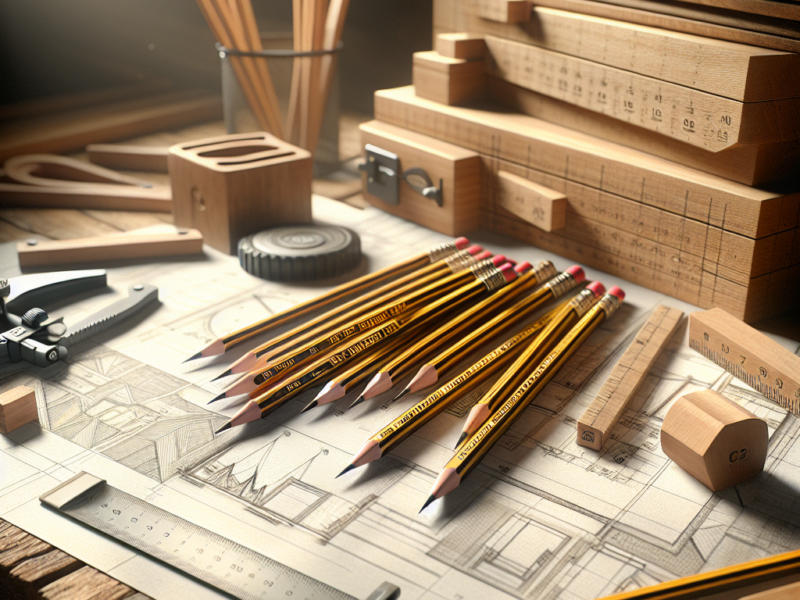
Understanding the Market Dynamics of German Carpenter Pencils Today
When you think of tools essential to woodworking, hammers and saws probably come to mind first. But what about the humble pencil? More specifically, German carpenter pencils? Believe it or not, these simple yet essential tools have a surprisingly dynamic market that’s evolving with time.
In this blog post, we’re going to break down what’s really happening in the carpenter pencil market in Germany and why that matters — even if you’re not a carpenter yourself. Whether you’re curious about craftsmanship, economy, or just love German products, there’s something here for you!
What Makes German Carpenter Pencils Special?
First things first — what even is a carpenter pencil? Unlike your typical round or hexagonal school pencil, carpenter pencils are flat and rectangular. Why? So they don’t roll away on sloped surfaces like roofs or workbenches. Smart, right?
German brands, in particular, have gained a reputation for producing high-quality versions of these pencils. They’ve combined precision, quality materials, and ergonomic design to create tools that not only last but perform exceptionally well.
Think of the difference between a regular kitchen knife and a German-engineered chef’s knife — the same logic applies to these pencils.
The Economic Backbone of a Basic Tool
At first glance, carpenter pencils might not seem like a product you’d associate with global market forces or economic strategy. But dig a bit deeper and you’ll find they’re affected by the same things as any industrial product:
- Raw material costs – Mainly wood and graphite, both sensitive to global supply chain shifts.
- Labor rates – Germany’s wage structure and policies play a big role in production costs.
- Export demand – These pencils are used not just in Germany, but all over Europe and beyond.
Just like car parts or electronics, carpenter pencils are subject to pricing fluctuations and shifting demand. And let’s not forget how the COVID-19 pandemic disrupted everything — from raw material sourcing to manufacturing timelines.
Why Demand Is Shifting
So what’s causing demand to change? Short answer: a lot of things!
- Digital tools – More and more tradespeople are moving toward digital measuring devices and design tools. That means fewer people reaching for a pencil.
- DIY culture – On the flip side, home improvement and hobby woodworking are trending. Enter the rise of fancy, well-crafted pencils that appeal to enthusiasts.
- Eco-conscious consumers – People want sustainable tools. German carpenter pencil makers are responding with better forestry practices and recyclable materials.
It’s a bit ironic — as professionals reach for tablets, hobbyists are rediscovering the joy (and utility) of a well-balanced carpenter pencil.
Fun Fact: These Pencils Have a Legacy
Many German pencil manufacturers have been around for over a century. Brands like Faber-Castell and Staedtler are household names globally. They’re known for blending tradition with innovation — always refining their designs but holding onto a commitment to quality.
So when you’re buying a German carpenter pencil, you’re not just getting a writing tool. You’re tapping into a lineage of craftsmanship that’s been passed down for generations.
Challenges Facing the Pencil Market
Despite their solid reputation, German carpenter pencil companies face some serious hurdles right now.
- Global competition – Cheaper alternatives made in bulk from other countries are flooding the market.
- Rising costs – Everything from energy prices to shipping fees is hitting manufacturers hard.
- Technology disruption – As digital tools improve, will even more people abandon traditional pencils?
Manufacturers are having to innovate — adapting to consumer preferences while keeping prices reasonable. It’s a tightrope walk that’s testing even the most established brands.
Adapting to the Future
Here’s the good news: German companies are not sitting back. Many are ramping up their game by doing things like:
- Investing in automation to speed up production.
- Using sustainable wood to appeal to eco-friendly buyers.
- Creating limited edition designs that appeal to collectors and hobbyists.
- Partnering with retailers and influencers in the DIY and home improvement niches.
It shows that even something as niche as the carpenter pencil market can live and thrive — if it adapts.
So, Why Should You Care?
You might be thinking, “This is cool and all, but I’m not a carpenter.” But here’s why you might want to care:
- Buying wisely: Next time you pick up a pencil for your next project, you’ll know what makes German brands special.
- Supporting craftsmanship: Choosing quality tools means supporting producers that care about tradition and sustainability.
- Understanding global dynamics: Yes, even a pencil can tell you a lot about global economics and consumer trends!
Final Thoughts
Who would’ve thought that such a small, everyday item could have such a big story behind it? The market dynamics surrounding German carpenter pencils show us that even traditional tools can evolve and stay relevant.
Whether you’re a carpenter, a weekend DIY warrior, or someone who just appreciates finely made things, there’s a lot to love — and learn — from this unassuming tool.
So the next time you’re jotting a line for a cut or sketching out your latest idea — maybe reach for a German carpenter pencil. It’s more than just a pencil; it’s a piece of working history.
Ready to Try One?
If you’re curious now, why not try one out for yourself? You might just find it’s your new favorite tool — one that doesn’t beep, buzz, or run out of batteries.
Tip: Look for pencil brands that mention FSC-certified wood or have been in production for decades. Quality matters!
Thanks for reading — and next time someone says a pencil is just a pencil… you’ll know better!