
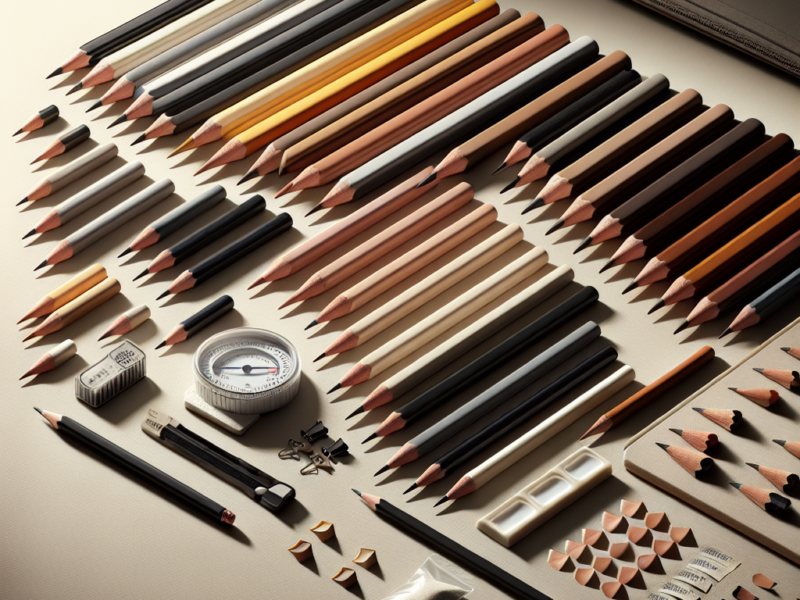
From Basics to Pro: Moisture Control for Pencils for Students
Whether you’re a budding artist, a diligent student, or a seasoned professional, pencil quality and longevity can make or break your workflow. One often overlooked factor? Moisture. From warping wooden pencils to corroding mechanical ones, improper moisture management can compromise performance, comfort, and even safety. This guide compares the best moisture control practices for different pencil types—wooden and mechanical—while offering sustainable choices, coating insights, and practical storage tips for students and pros alike.
- Moisture affects both wooden and mechanical pencils differently—understanding the impact is key to performance and longevity.
- Wooden pencils are more vulnerable to humidity and benefit from proper coatings and storage solutions.
- Mechanical pencils resist moisture better but require internal care to avoid corrosion and lead breakage.
- Eco-conscious users can make sustainable choices without sacrificing quality.
- Professional artists and students alike benefit from tailored storage tips and product selection.
Wood vs Mechanical: How Moisture Affects Each
Wooden Pencils: Natural, But Vulnerable
Wooden pencils are typically made from cedar or basswood—materials that are porous and sensitive to humidity. When exposed to excess moisture, the wood can swell, warp, or even split, making sharpening uneven and uncomfortable.
- Humidity Impact: Causes swelling, leading to cracked barrels or misaligned leads.
- Dry Conditions: Can cause brittleness and lead breakage during use or sharpening.
- Storage Needs: Require dry, consistent environments to maintain shape and usability.
Mechanical Pencils: Durable, But Not Invincible
Mechanical pencils are often considered moisture-resistant due to their plastic or metal casings. However, internal components—like metal springs, graphite leads, and eraser chambers—can still suffer from corrosion or clumping if exposed to high humidity.
- Humidity Impact: Can cause rusting of internal springs or clumping of graphite dust.
- Dry Conditions: Typically not problematic unless the pencil is stored with erasers that dry out and crack.
- Storage Needs: Require sealed containers or pencil cases to avoid dust and moisture ingress.
[Image: comparison chart of wooden vs mechanical pencil moisture impact]
Coating Overview: What Protects Your Pencil?
Coatings play a vital role in moisture control, especially for wooden pencils. The type and quality of the outer coating determine how well the pencil resists humidity and handling wear.
Wooden Pencil Coatings
- Lacquer Coating: Most common; offers moderate moisture resistance and a smooth finish.
- Wax-Based Coating: Adds a water-repellent layer; ideal for fieldwork or outdoor sketching.
- Eco-Friendly Coatings: Water-based or biodegradable finishes offer sustainability with decent moisture resistance.
Mechanical Pencil Finishes
- Plastic Casings: Lightweight and generally moisture-proof, but may crack under pressure.
- Metal Casings: Durable and corrosion-resistant, especially aluminum or stainless steel models.
- Rubber Grips: Can absorb moisture and degrade over time if not dried properly.
[Image: pencil coating types side by side]
Storage Tips: Keeping Your Pencils Dry and Functional
Proper storage is a simple yet powerful way to extend the life of your pencils. Whether in a school backpack or a professional studio, these tips help maintain performance and hygiene.
For Students
- Use a hard-shell pencil case with a silica gel packet to absorb moisture.
- Avoid storing pencils near water bottles or damp lunch containers.
- Keep wooden pencils sharpened to reduce splintering from humidity-induced swelling.
For Professionals
- Store pencils in a climate-controlled drawer or cabinet.
- Use pencil rolls or wrap cases made of canvas or leather with moisture-wicking linings.
- Label pencils by hardness and rotate use to avoid overexposing one set to the environment.
[Image: organized pencil storage with silica packets]
Sustainable Choices: Eco-Friendly Moisture Solutions
Students and artists increasingly seek sustainable options that don’t compromise on performance. Fortunately, several brands now offer eco-conscious pencils with improved moisture resistance.
Wooden Pencil Alternatives
- Recycled Wood Pencils: Made from reclaimed wood and coated with non-toxic finishes.
- Paper Pencils: Rolled recycled paper pencils are surprisingly durable and moisture-resistant.
- Biodegradable Coatings: Break down naturally without releasing harmful chemicals.
Mechanical Pencil Options
- Refillable Designs: Reduce waste and often feature durable, moisture-resistant bodies.
- Recycled Plastics: Some models use ocean-bound or post-consumer plastics for eco-conscious casings.
- Modular Parts: Allow for easy replacement of worn or damaged components, extending lifespan.
[Image: eco-friendly pencil packaging examples]
Professional Drawing: Moisture Impacts on Art Quality
For artists, moisture control isn’t just about pencil integrity—it directly affects drawing quality. Smudging, inconsistent line work, and paper damage can all stem from moisture issues.
- Graphite Softening: High humidity can soften graphite, causing darker and smudgier lines.
- Paper Curling: Improperly stored pencils can transfer moisture to sketchbooks, warping pages.
- Precision Loss: Warped wooden pencils or corroded mechanical parts can lead to uneven strokes.
Artists working in humid climates should consider:
- Using mechanical pencils with metal tips for consistent line quality.
- Storing sketchbooks and pencils in airtight containers with desiccants.
- Choosing pencils with wax-based or waterproof coatings.
Checklist: Moisture Control for Pencil Users
- ✅ Choose the right pencil type for your environment (wood for dry, mechanical for humid).
- ✅ Opt for coated or sealed pencils to prevent moisture absorption.
- ✅ Store pencils in dry, sealed containers with moisture absorbers.
- ✅ Rotate use to prevent overexposure and wear.
- ✅ Clean mechanical pencil internals regularly to prevent graphite dust buildup.
- ✅ Consider sustainable options with moisture-resistant features.
Conclusion: Smarter Pencil Choices for Smarter Results
Moisture control is more than a maintenance task—it’s a performance enhancer. Whether you’re a student taking notes or a professional artist sketching masterpieces, understanding how moisture affects wood vs mechanical pencils can help you make smarter, longer-lasting choices. From selecting the right coatings to storing them properly, every detail counts. Add sustainability into the mix, and you’re not just protecting your tools—you’re protecting the planet too.
Keep your pencils sharp, dry, and ready to perform—whatever your level or field.
[Image: student using pencil in classroom with organized case]
FAQs
What’s the best way to store pencils in a humid climate?
Use airtight containers or pencil cases with silica gel packets. Avoid leaving them in bathrooms, kitchens, or near windows where condensation can build up.
Are mechanical pencils better for moisture-prone environments?
Yes, especially those with metal or high-grade plastic casings. They resist warping and are less affected by humidity, though internal care is still important.
Do eco-friendly pencils offer the same moisture protection?
Many do, especially those with wax-based coatings or made from compressed recycled materials. Always check for water-resistant labeling or reviews.