
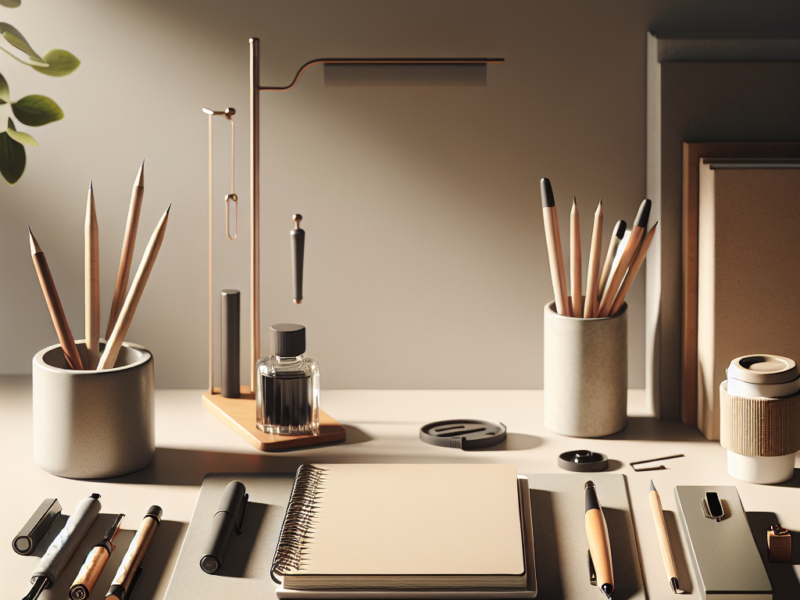
Mastering Writing Comfort for Students and Professionals
Writing comfort is more than a convenience—it’s a critical factor in productivity, especially for students, professionals, and anyone engaged in extended writing tasks. From the precision of sharpening techniques to sustainable choices and ergonomic designs, mastering writing comfort can lead to better performance, reduced fatigue, and long-term satisfaction with your stationery supplies.
Writing Comfort Essentials
- Sharpening: Proper sharpening maintains writing precision and tool longevity.
- Student Use: Ergonomic, affordable, and safe tools are essential for educational environments.
- Sustainable Choices: Refillable pens, recycled materials, and biodegradable options are growing in demand.
- Manufacturing Basics: Quality, compliance, and ergonomic design start at the production level.
Why Writing Comfort Matters in Stationery Procurement
For B2B buyers, schools, and wholesalers, writing comfort isn’t just about user satisfaction—it’s a direct contributor to learning outcomes, workplace efficiency, and product reputation. Poorly designed writing tools can cause hand strain, fatigue, and even repetitive stress injuries over time. Investing in comfort-focused products can reduce complaints, increase reorder rates, and align with educational and corporate wellness goals.
Sharpening: A Key to Writing Precision and Comfort
Sharpening might seem like a minor detail, but it plays a major role in writing comfort. A well-sharpened pencil ensures consistent line quality, reduces writing pressure, and minimizes hand fatigue. For procurement professionals, offering the right sharpening tools alongside writing instruments enhances the overall product experience.
Sharpening Methods and Tools
- Manual Sharpeners: Ideal for classrooms and personal use. Look for models with stainless steel blades and ergonomic grips.
- Electric Sharpeners: Best for high-volume environments. Features like auto-stop, multiple diameter settings, and shavings containment improve safety and usability.
- Blade Angle: A 23° to 30° angle is optimal for standard graphite and colored pencils, balancing point durability and smoothness.
For OEM orders, consider offering co-branded sharpeners or bulk packs with pencils. MOQ for custom sharpeners typically starts at 3,000 units, with a 30–45 day lead time.
Designing for Student Use: Comfort Meets Compliance
Students are among the heaviest users of writing tools, making comfort a top priority in educational procurement. Whether it’s for K-12 schools, tutoring centers, or exam boards, the right writing instruments can improve handwriting, reduce fatigue, and support learning outcomes.
Key Features for Student-Friendly Writing Tools
- Ergonomic Grips: Triangular or rubberized grips promote proper finger placement and reduce strain.
- Lightweight Materials: Helps younger students maintain control without tiring easily.
- Non-toxic Inks and Coatings: Must comply with EN71-3 and ASTM D-4236 safety standards.
- Break-Resistant Leads: Reduces classroom disruptions and waste.
- Age-Appropriate Sizing: Shorter barrel lengths and thicker diameters are better for early learners.
For institutional buyers, sourcing pre-sharpened pencils or bundled writing kits can streamline classroom readiness. Always verify supplier certifications and request batch testing reports, especially for large-volume school contracts.
Sustainable Choices: Aligning Comfort with Eco-Conscious Values
As sustainability becomes a procurement priority, writing tools are evolving to meet eco-conscious standards without compromising comfort. Buyers now expect products that are both ergonomic and environmentally responsible.
Popular Sustainable Writing Options
- Recycled Pencils: Made from old newspapers, denim, or reclaimed wood, these offer smooth writing with a lower carbon footprint.
- Refillable Pens: Metal or bioplastic bodies with replaceable ink cartridges reduce waste and long-term costs.
- Biodegradable Barrels: Options include cornstarch-based plastics and bamboo casings.
- Minimalist Packaging: Bulk orders with reduced or recyclable packaging are available for institutional buyers.
When sourcing sustainable products, confirm material origin, biodegradability certifications (e.g., EN 13432), and ink toxicity levels. MOQ for eco-friendly lines may vary—some factories offer as low as 1,000 units for recycled pencils, while refillable pen lines may start at 5,000 units due to tooling requirements.
Manufacturing Basics: Building Comfort from the Ground Up
Comfort starts in the manufacturing process. From material selection to assembly, each step influences the final product’s usability. Understanding these basics helps buyers make informed decisions and assess supplier capabilities.
Core Manufacturing Elements That Impact Writing Comfort
| Component | Comfort Impact | Manufacturing Considerations |
|---|---|---|
| Barrel Material | Weight, grip, temperature sensitivity | Wood (cedar), ABS plastic, recycled paper |
| Lead/Core | Smoothness, break resistance | Graphite-clay ratio, extrusion precision |
| Grip Design | Ergonomics, anti-slip | Rubber molding, triangular shaping |
| Ink Flow (Pens) | Glide, skipping, pressure required | Viscosity control, tip design |
Factories with in-house R&D can tailor products for specific markets. For example, Japanese markets favor ultra-fine pens with low-viscosity ink, while European buyers may prioritize eco-certifications and FSC-sourced wood. Always request production samples and QC documentation before finalizing OEM agreements.
Procurement Tips: Balancing Comfort, Cost, and Compliance
When sourcing writing tools for large-scale distribution or institutional use, comfort must be balanced with budget constraints and regulatory compliance. Here are key procurement strategies:
Checklist for Comfort-Focused Sourcing
- Request ergonomic certifications or design patents for comfort-focused models.
- Verify EN71, ASTM, or REACH compliance for all materials, especially in school markets.
- Conduct user testing with target demographics (e.g., students, office workers) before large orders.
- Include sharpening accessories or refills in bundled offers to enhance user satisfaction.
- Negotiate for custom packaging that highlights comfort and sustainability features.
Lead times for customized comfort-oriented products typically range from 30–60 days, depending on tooling and material sourcing. For faster deployments, consider in-stock SKUs with proven ergonomic designs.
Conclusion: Writing Comfort as a Competitive Advantage
Mastering writing comfort isn’t just a user preference—it’s a strategic advantage for stationery brands, educational suppliers, and B2B distributors. By prioritizing sharpening precision, ergonomic design for student use, sustainable choices, and quality manufacturing, you position your offerings as both practical and premium.
Whether you’re sourcing for a school district, launching your own stationery line, or supplying to global marketplaces, investing in writing comfort pays off in customer loyalty, reduced returns, and a stronger brand reputation.
Explore our full range of ergonomic, sustainable stationery products or contact our team for OEM solutions tailored to your market.