
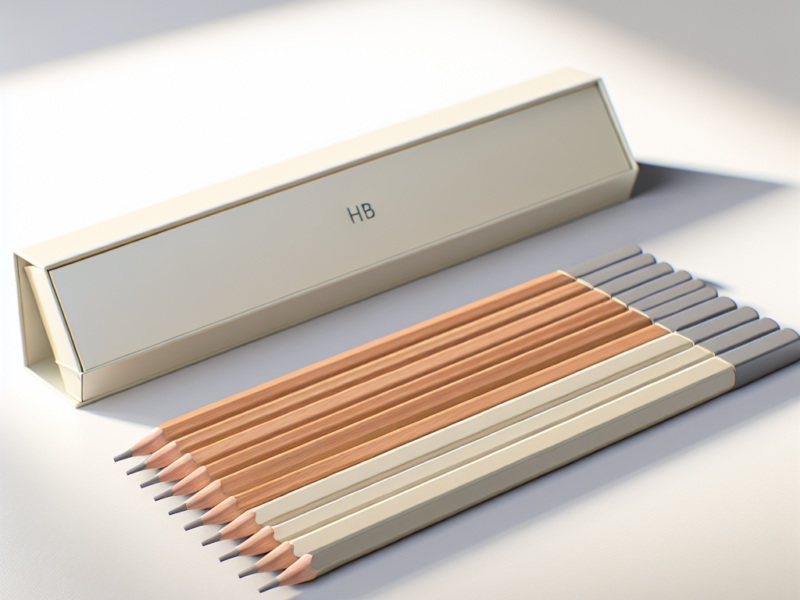
Whether you’re preparing your child for their first day of kindergarten or stocking up for a college semester, choosing the right pencil is more than just a back-to-school checklist item. The right pencil can improve handwriting, reduce hand fatigue, and even boost productivity. This school pencil buying guide is designed to help students and parents navigate the crowded stationery aisle with confidence, balancing quality, cost, and functionality.
Why the Right Pencil Matters for Students
Pencils are the most fundamental tool in a student’s arsenal. From practicing cursive in elementary school to annotating textbooks in college, the pencil is a constant companion. A poorly made pencil can break easily, write unevenly, and cause unnecessary frustration. On the other hand, a high-quality pencil delivers a smooth writing experience, consistent graphite performance, and long-lasting durability — all crucial for academic success.
Types of Pencils: What Parents and Students Should Know
Before diving into brands and recommendations, it’s important to understand the main types of pencils available:
- Wooden Pencils: The traditional choice. Affordable, biodegradable, and widely accepted in schools.
- Mechanical Pencils: Refillable and precise, ideal for older students who prefer a consistent line width.
- Colored Pencils: Essential for younger students and art classes, available in wax-based or oil-based cores.
Each has its place depending on the student’s age, subject needs, and personal preferences.
Top Wooden Pencils for School Use
Wooden pencils remain the go-to for schoolwork due to their simplicity and reliability. Based on expert reviews and user feedback, here are some of the best options:
| Pencil | Pros | Cons |
|---|---|---|
| Golden Bear USA Blue #2 | Durable barrel, smooth graphite, great eraser | Limited availability in local stores |
| Musgrave 600 News | Budget-friendly, strong core, made in USA | Less refined finish |
| Ticonderoga #2 | Widely available, consistent quality | Pricey compared to alternatives |
| General’s Semi-Hex | Comfortable grip, affordable, good for long writing sessions | Softer graphite may smudge |
The New York Times Wirecutter review names the Golden Bear USA Blue #2 as the top pick for schoolwork. Its high-quality cedar casing and reliable eraser make it a standout choice for daily writing tasks.
Mechanical Pencils: Best for Older Students
Mechanical pencils offer precision and convenience, especially for students in middle school and beyond. They’re ideal for math, science, and standardized testing where consistent line width matters.
Top picks include:
- Pentel GraphGear 1000: Professional-grade, great for technical drawing and note-taking.
- Uni Kuru Toga: Rotating lead mechanism keeps the tip sharp and reduces breakage.
- Pilot Dr. Grip: Ergonomic design reduces hand fatigue during long writing sessions.
According to JetPens’ 2025 pencil roundup, these mechanical models are consistently rated for their durability, refill options, and comfort — all essential for students tackling heavy coursework.
Budget-Friendly Pencils That Don’t Compromise on Quality
Affordability is a major concern for families, especially when buying in bulk. Fortunately, several brands offer quality at a reasonable price point.
The Gentleman Stationer’s long-term review praises brands like Musgrave and General for their consistent performance over years of use. The Musgrave 600 and General’s Semi-Hex are both inexpensive and reliable — perfect for classrooms and homework alike.
On Reddit’s pencil community, students frequently recommend the Mitsubishi 9800 and Tombow 8900 for their smooth writing experience and affordability, especially for college students managing tight budgets.
What to Look for When Buying School Pencils
Whether shopping online or in-store, here are key features to evaluate:
- Graphite Hardness: HB or #2 is the standard for schoolwork. Avoid overly soft (B) or hard (H) leads unless specified by the teacher.
- Barrel Quality: Look for pencils made of cedar or other high-quality wood for easier sharpening and less breakage.
- Eraser Performance: A good eraser should cleanly remove graphite without smearing or tearing the paper.
- Sharpening Ease: Some pencils sharpen better than others. Avoid pencils with plastic casings or off-center leads.
For mechanical pencils, also consider:
- Lead Size: 0.5mm and 0.7mm are most common for writing.
- Grip Comfort: Rubberized grips reduce strain during long sessions.
- Lead Advancement: Some models have auto-advance features for continuous writing.
Eco-Friendly and Sustainable Options
As sustainability becomes a priority for many families, eco-conscious pencil choices are gaining popularity. Look for:
- Pencils made from recycled wood or FSC-certified forests
- Brands that use biodegradable or refillable materials
- Mechanical pencils with recyclable parts or long-lasting builds
Companies like Palomino and Staedtler offer sustainable options that align with both environmental values and educational needs.
Tips for Buying in Bulk or for Multiple Students
For families with more than one student or for those preparing for the school year in advance, buying in bulk can save time and money. Here’s how to do it smartly:
- Choose a reliable brand with proven durability (e.g., Golden Bear, Musgrave).
- Buy in packs of 12, 24, or even 72 to reduce cost per unit.
- Store extras in a dry, cool place to prevent warping or eraser hardening.
- Label or color-code pencils for different children or subjects.
Many online retailers offer classroom packs or family bundles with mixed colors or grades — ideal for meeting diverse needs in one purchase.
Common Pencil Problems and How to Avoid Them
Even quality pencils can cause issues if not handled properly. Here’s how to troubleshoot common problems:
- Frequent Breakage: Could be due to poor sharpening or brittle lead. Use a sharpener with a steel blade and avoid over-sharpening.
- Smudging: Softer leads (like 2B or 4B) smudge more. Stick to HB for general writing.
- Uneven Sharpening: This often results from off-center leads. Choose reputable brands with quality control standards.
Investing in a good pencil sharpener — manual or electric — also makes a significant difference in pencil longevity and performance.
Final Thoughts: Choosing the Best Pencil for Your Student
In the end, the best pencil is one that meets your student’s specific needs — whether it’s a classic wooden #2 for standardized tests or a mechanical pencil for precise engineering notes. This school pencil buying guide has covered the essentials: types, top brands, buying tips, and expert insights from long-term users and industry reviewers.
By choosing wisely, you’re not just buying a pencil — you’re investing in a tool that supports learning, creativity, and academic confidence.
For more expert recommendations, visit JetPens’ 2025 Pencil Guide or explore deeper user reviews in the r/pencils community on Reddit.
Related Reading
- Why Pencil Length Matters for School and Office Use
- Why Schools Choose Pre-Sharpened School Pencils
- Triangular Pencil Benefits for Better Handwriting and Comfort
- Student Grade vs Artist Grade Pencils Explained
- Hexagonal vs Round Pencil: Which Shape is Better
- Why Jumbo Pencils for Kids Improve Early Writing
- Cheap Pencils Break Easily for These Key Reasons