
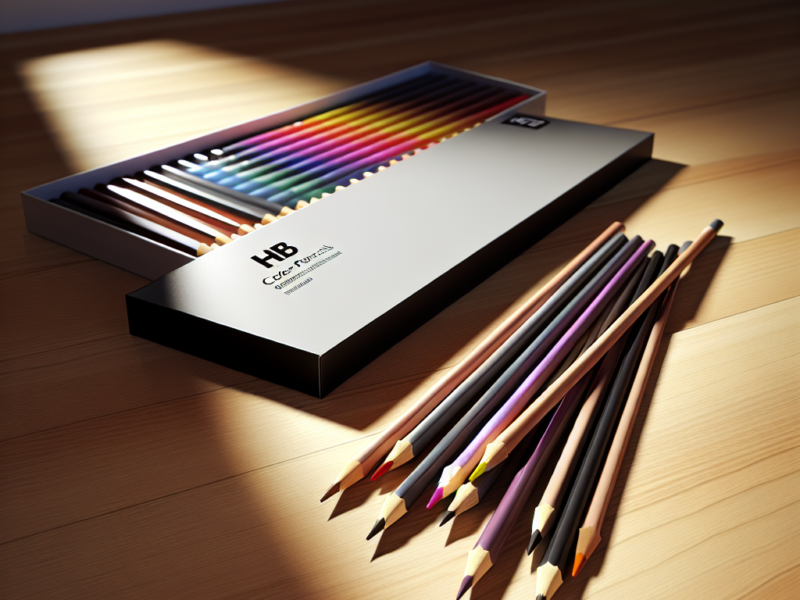
Chipping during pencil cutting is a common yet frustrating issue that affects both hobbyists and professionals alike. Whether you’re manufacturing wooden pencils at scale or crafting custom mechanical pencil parts, the integrity of the cut is vital to the final product’s quality. Pencil cutting chipping not only compromises the aesthetic appeal of the pencil but can also lead to waste, inefficiencies, and higher production costs. Fortunately, by applying a combination of woodworking best practices and precision machining principles, it’s possible to significantly reduce chipping and improve overall cut quality.
Understanding Pencil Cutting Chipping
At its core, pencil cutting chipping refers to the undesirable flaking or splintering of wood or casing material during the cutting process. This can occur during initial shaping, sharpening, or even during packaging when blades or automated systems interact with the pencil body. The issue is particularly prevalent in mass production environments where speed and volume can sometimes compromise cutting precision.
Chipping is influenced by several factors including the type of wood used (cedar, basswood, or recycled composites), blade sharpness, feed rate, tool vibration, and even ambient humidity. Understanding the root causes allows manufacturers and craftspeople to implement targeted strategies to minimize these defects.
Common Causes of Chipping in Pencil Cutting
| Cause | Description | Impact |
|---|---|---|
| Blade Dullness | Worn or improperly sharpened blades | Increased tear-out and uneven cuts |
| Inadequate Support | Lack of backing material or poor clamping | Vibration and movement during cutting |
| Incorrect Feed Rate | Too fast or too slow tool movement | Excessive pressure or heat buildup |
| Material Grain Direction | Cutting against the grain | Splintering and surface chipping |
| Tool Vibration | Loose machinery or unstable platforms | Inconsistent cutting lines |
Techniques from Woodworking: Practical Approaches to Prevent Chipping
Woodworkers have long dealt with chipping, especially when working with delicate veneers or laminated materials. These techniques offer valuable insights for pencil manufacturers and custom pencil crafters alike. One of the most effective strategies is the use of high-tooth-count blades. According to contributors on Woodworking Talk, blades with more teeth produce cleaner cuts by reducing the aggressiveness of each tooth’s contact with the material.
Another widely recommended method is the application of masking or painter’s tape along the cut line. This technique helps hold the wood fibers in place during cutting, minimizing tear-out. The tape acts as a stabilizer, especially useful when cutting across the grain or working with veneered pencil casings. As shared on Quora, applying tape to both the top and bottom surfaces of the workpiece can significantly reduce chipping during blade entry and exit.
Machining Insights: Precision Cutting for Pencil Manufacturing
In large-scale pencil manufacturing, CNC machines and automated cutters are often used to shape the pencil body and insert the graphite core. Here, the principles of precision machining come into play. The article from Epic Tool highlights several techniques that can be translated to pencil cutting operations. One key recommendation is the optimization of cutting parameters such as spindle speed, feed rate, and tool path. These variables directly influence the smoothness of the cut and the likelihood of chipping.
For example, using a lower feed rate with a higher spindle speed can reduce material stress and allow for a cleaner cut. Additionally, tool selection plays a critical role. Shorter, stiffer tools reduce deflection and vibration, which are major contributors to chipping. Coolant application, while less common in woodworking, may be adapted in some pencil manufacturing environments to reduce heat buildup and material brittleness.
Step-by-Step Workflow: Reducing Chipping in Pencil Cutting
- Material Selection: Choose high-quality, straight-grained wood like California incense cedar, known for its uniformity and ease of cutting.
- Blade Maintenance: Regularly inspect and sharpen cutting blades. Replace any that show signs of wear or uneven edges.
- Stabilize the Workpiece: Use clamps or jigs to hold the pencil securely. Consider sacrificial backer boards to support the cut and prevent tear-out.
- Apply Tape: For manual or semi-automatic cuts, apply masking tape along the cut line to stabilize wood fibers.
- Adjust Cutting Parameters: In automated systems, fine-tune feed rates and spindle speeds. Avoid aggressive cutting paths.
- Check Grain Orientation: Align the pencil so that cuts follow the grain direction whenever possible to minimize splintering.
- Use Quality Tools: Invest in carbide-tipped blades or high-speed steel tools designed for fine woodworking or composite materials.
Material Considerations: How Wood Type Affects Chipping
Not all pencil woods are created equal. The choice of material significantly affects how prone a pencil is to chipping during cutting. Cedar, particularly California incense cedar, is the industry standard due to its softness, straight grain, and consistent density. It cuts cleanly and resists splintering. In contrast, basswood and jelutong—often used in budget pencils—are more fibrous and can chip more easily if not handled carefully.
| Wood Type | Grain Quality | Chipping Risk | Common Use |
|---|---|---|---|
| California Cedar | Straight, fine | Low | Premium pencils |
| Basswood | Soft, fibrous | Medium | Mid-range pencils |
| Jelutong | Coarse, uneven | High | Economy pencils |
| Recycled Composite | Varied | Variable | Eco-friendly pencils |
Sharpening vs. Cutting: Where Chipping Often Occurs
While much of the chipping concern arises during the initial pencil shaping, sharpening is another critical stage. Poorly designed sharpeners or incorrect sharpening angles can cause the pencil casing to splinter. For end-users, using a sharp blade and maintaining the correct sharpening angle (typically 23–26 degrees) can make a significant difference. In manufacturing, automated sharpening systems must be finely calibrated to avoid excessive pressure or misalignment that could damage the pencil tip.
Pros and Cons of Anti-Chipping Techniques
| Technique | Pros | Cons |
|---|---|---|
| High-tooth-count blades | Cleaner cuts, less tear-out | Slower cutting speed |
| Masking tape | Inexpensive, effective | Time-consuming for large batches |
| Precision feed rates | Reduces vibration and heat | Requires machine calibration |
| Backer boards | Prevents exit chipping | Additional material cost |
| Coolant application | Minimizes heat and brittleness | Not always practical for wood |
Quality Assurance and Inspection
Even with the best techniques in place, regular inspection is essential to ensure consistent quality. In a production setting, this might involve visual checks under magnification or automated image recognition systems that flag chipped or splintered pencils. For smaller operations, manual inspection and batch sampling are effective ways to detect issues early and adjust processes accordingly.
Conclusion: Fine-Tuning for Flawless Finishes
Reducing pencil cutting chipping is a multifaceted challenge that blends craftsmanship, engineering, and material science. By adopting woodworking techniques like using high-tooth-count blades and masking tape, alongside machining strategies such as optimizing feed rates and tool selection, manufacturers and artisans can achieve cleaner cuts and higher-quality products. Whether you’re producing thousands of pencils a day or handcrafting a unique piece, attention to detail at every stage of the cutting process pays off in reduced waste, improved aesthetics, and greater customer satisfaction.
For further reading on related cutting strategies, explore these resources: Advanced Machining Tips, Woodworking Community Advice, and DIY Veneer Cutting Techniques.
Related Reading
- Effective Pencil Cracking Prevention in Extreme Weather Conditions
- Prevent Pencil Core Breakage During Sharpening Tips
- Maintaining Lead Diameter Tolerance in Pencil Quality Control
- How Clay Ratio Affects Pencil Durability Most
- How Barrel Size Accuracy Impacts Pencil Performance
- How Graphite Density Impacts Pencil Performance