
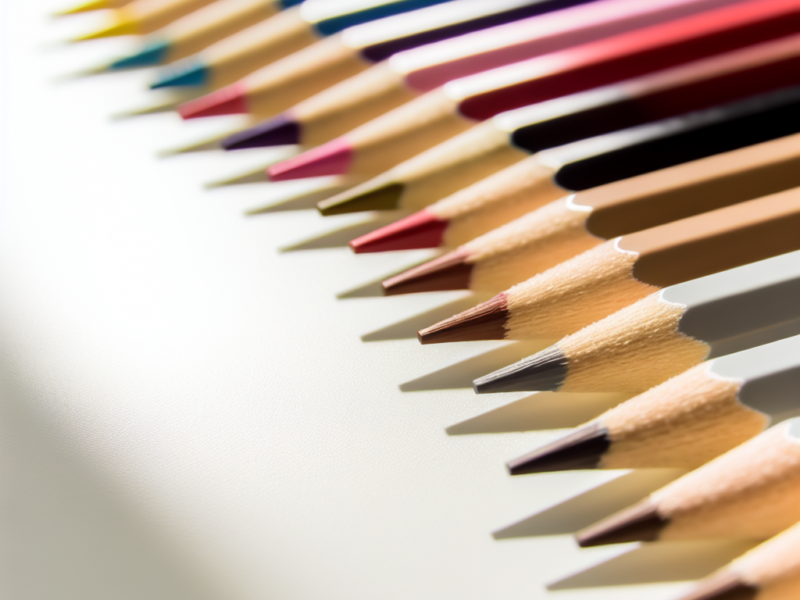
Promotional Pencil Guide for Buyers and Suppliers
In the world of branded merchandise, few items blend utility, affordability, and brand visibility as seamlessly as the humble pencil. Whether you’re a business looking to buy promotional pencils in bulk or a manufacturer exploring market trends, understanding the nuances of promotional pencil production, sourcing, and customization is essential. This guide offers a deep dive into the practical and strategic aspects of promotional pencils — from lead grades to supply chain considerations — so both buyers and suppliers can make informed decisions.
Why Promotional Pencils Still Work in a Digital Age
Despite the rise of digital marketing tools, physical promotional items continue to generate high engagement — and pencils remain a top choice. Their low cost, high usability, and long shelf life make them ideal for trade shows, educational giveaways, hospitality kits, and corporate branding. A well-designed pencil not only delivers your logo into the hands of potential clients but keeps it there, often for months or even years.
Moreover, pencils are universally appreciated — they’re used by students, artists, engineers, and office workers alike. When paired with thoughtful customization, they become more than just writing tools; they become brand ambassadors.
Understanding Pencil Types and Lead Grades
Before placing a bulk order with a pencil supplier, it’s crucial to understand the types of pencils available — especially the graphite core, or “lead.” The lead grade affects the writing experience and determines whether the pencil is better suited for writing, sketching, or technical drawing.
Graphite leads are graded on a scale that ranges from hard (H) to soft (B), with “HB” sitting in the middle. Harder leads (e.g., 2H, 4H) produce lighter, precise lines and are often used in engineering or architectural fields. Softer leads (e.g., 2B, 4B, 6B) are darker and ideal for shading and artistic applications.
For promotional purposes, HB is the most common choice as it balances legibility and smoothness for general writing. However, if your target audience includes artists, designers, or technical professionals, offering a range of lead options can add value to your campaign.
For a detailed breakdown of graphite grades and their applications, see this comprehensive graphite pencil lead guide.
Customization Options That Make an Impact
The effectiveness of a promotional pencil lies in its design. Customization isn’t limited to printing your logo — it extends to the pencil’s shape, finish, eraser type, and packaging. Here are key options to consider:
- Barrel Shape: Standard hexagonal pencils are ergonomic and classic, but round or triangular barrels can offer a unique feel.
- Material: Wood remains the most common, but recycled paper, plastic, and even bamboo are gaining popularity among eco-conscious brands.
- Coating: Lacquered finishes provide a glossy look, while natural wood offers a rustic, organic aesthetic.
- Printing Methods: Screen printing is cost-effective for simple logos, while foil stamping or laser engraving creates a premium look.
- Eraser and Ferrule: Colored erasers and metallic ferrules can be matched with brand colors for added visual appeal.
For a more elevated presentation, consider packaging options like custom pencil boxes, tubes, or sleeves — especially for executive gifts or high-end promotions.
What Buyers Should Know Before Ordering
When you buy pencils for promotional use, especially in large quantities, there are several factors to evaluate beyond price:
- MOQ (Minimum Order Quantity): Most manufacturers require a minimum quantity for customization. This can range from 500 to 10,000 units.
- Lead Time: Depending on complexity and volume, production can take anywhere from 2 to 8 weeks. Plan ahead, especially for seasonal campaigns.
- Compliance: Ensure the pencils comply with local safety and environmental standards, especially if distributing in schools or public institutions.
- Sample Approval: Always request a pre-production sample to verify print quality, color accuracy, and overall finish.
Working with experienced suppliers who offer clear communication and flexible customization options can make all the difference. Look for vendors with a proven track record in promotional products and positive client reviews.
Key Considerations for Pencil Suppliers
For manufacturers and wholesalers in the promotional pencil market, understanding buyer expectations is critical. Here’s how suppliers can stay competitive:
- Offer Tiered Customization: Provide multiple levels of customization — from basic logo printing to full-color wraps and packaging — to cater to different budgets.
- Expand Eco-Friendly Options: With increasing demand for sustainable products, offering FSC-certified wood, recycled materials, and plastic-free packaging can differentiate your catalog.
- Streamline Ordering: Simplify the ordering process with digital mockups, online quote tools, and clear production timelines.
- Support OEM/ODM: Many clients, especially larger brands, seek OEM (Original Equipment Manufacturer) or ODM (Original Design Manufacturer) services. Being able to support unique shapes, colors, or packaging formats adds significant value.
Additionally, staying informed about market trends — such as the rise of stylus-pencil hybrids or artisan-crafted pencils — can help suppliers innovate and diversify their offerings.
Supply Chain Insights: From Raw Material to Final Product
The promotional pencil supply chain is more complex than it appears. Key stages include:
- Wood Sourcing: Sustainable wood, such as incense cedar or basswood, is preferred for its smooth sharpening and durability.
- Lead Production: A blend of graphite and clay determines the hardness. Consistency in this mix is essential for quality control.
- Barrel Assembly: The lead is sandwiched between two slats of wood, glued, and then shaped into barrels.
- Finishing: Pencils are painted, printed, and fitted with ferrules and erasers.
- Customization & Packaging: This final stage includes logo application, labeling, and packing for shipment.
Delays or quality issues at any stage can impact delivery timelines and brand perception. That’s why suppliers who control or closely monitor their production lines tend to offer more reliable service. For a case study on how lead grade affects final product quality, check this in-depth resource on pencil grading.
Trends Shaping the Promotional Pencil Market
As branding strategies evolve, so do the expectations for promotional items. Here are three trends currently influencing the pencil industry:
- Eco Branding: Brands are leaning into sustainability. Expect more demand for biodegradable pencils, seed pencils (which can be planted after use), and minimal packaging.
- Personalization at Scale: With digital printing technologies, it’s now feasible to personalize each pencil in a batch — useful for employee gifts or event giveaways.
- Hybrid Tools: Some promotional pencils now double as styluses or include QR codes linking to digital experiences, blending analog charm with digital utility.
Suppliers who embrace these shifts early will be better positioned to serve the next generation of promotional buyers.
Conclusion: A Small Tool with Big Branding Power
The promotional pencil may be simple, but it’s far from outdated. With thoughtful design, strategic sourcing, and an understanding of user needs, it becomes a powerful branding tool. Whether you’re a buyer looking to make a lasting impression or a supplier aiming to expand your offerings, mastering the art and science of promotional pencils is a smart move in today’s competitive landscape.
For further reading on sustainable promotional products and manufacturing best practices, explore resources like PPAI (Promotional Products Association International) or SGIA (Specialty Graphic Imaging Association).