
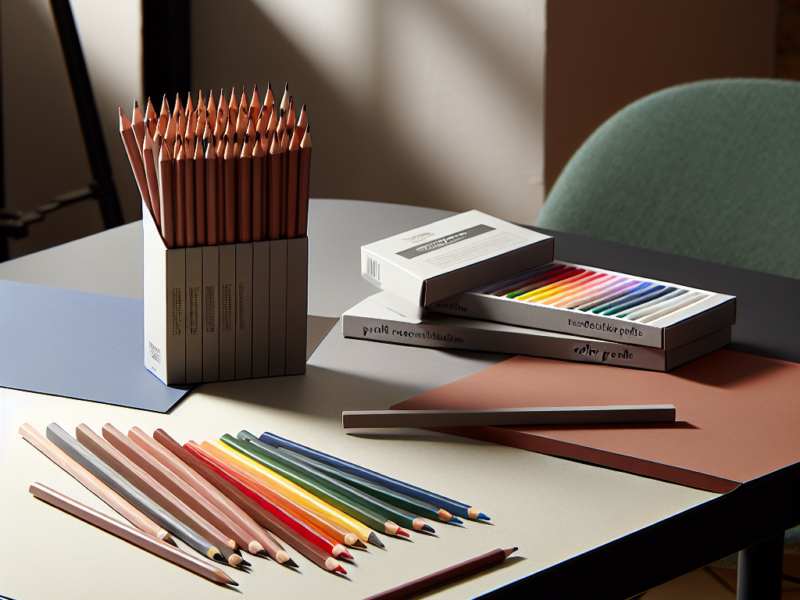
In the world of pencil manufacturing, color is more than just a visual element—it’s a reflection of brand identity, quality assurance, and consumer expectation. However, one persistent challenge that manufacturers face is color migration pencil coating. This phenomenon, where pigments from one layer of coating bleed into another or into adjacent materials, can compromise both the aesthetic and functional integrity of the final product. Understanding the mechanisms behind color migration and how to prevent it is essential for maintaining high-quality standards in pencil production.
What Is Color Migration in Pencil Coating?
Color migration, also known as dye migration, occurs when pigments or dyes move from one substrate or coating layer to another. In the context of pencil manufacturing, this typically happens during the coating or finishing process, especially when heat or chemical interactions are involved. The result is often unintended color bleeding, discoloration, or uneven finishes that can tarnish the product’s appearance and durability.
This issue is particularly problematic when applying multiple coatings—such as primers, base coats, and decorative finishes—on wooden or polymer pencil barrels. If the materials used are not compatible or if the curing process is mismanaged, pigments from lower layers may migrate upward, distorting the intended color palette.
Why Color Migration Happens in Pencil Manufacturing
Several factors contribute to color migration during pencil coating processes. Drawing from textile and printing industry insights, we can better understand these root causes:
- Thermal Activation: Similar to dye migration in polyester textiles, heat used during drying or curing can reactivate pigments, causing them to move into adjacent layers.
- Incompatible Coating Materials: Using coatings that aren’t chemically stable or compatible increases the risk of pigment mobility.
- Porous Substrates: Wooden pencil barrels, especially those made from softer woods like basswood or jelutong, can absorb and later release pigments under heat or pressure.
- Inadequate Barrier Layers: When base coats or primers lack sufficient opacity or blocking agents, they fail to prevent migration from underlying layers.
Common Scenarios and Symptoms of Color Migration
In a manufacturing setting, color migration can manifest in several ways:
- Dark base coats bleeding through light-colored top coats
- Metallic or neon pigments dulling after final curing
- Brand logos or printed designs losing sharpness due to pigment interference
- Color inconsistencies across batches, especially in high-volume runs
These issues not only affect visual appeal but can also lead to customer complaints, increased rework rates, and ultimately, financial losses.
Preventive Strategies to Control Color Migration
Preventing color migration in pencil coating requires a holistic approach that combines material science, process engineering, and quality control. Below are proven strategies drawn from both the pencil and textile printing industries:
1. Choose Pigments with Low Migration Potential
Not all pigments are created equal. Organic dyes, while vibrant, are more prone to migration under heat. In contrast, inorganic pigments such as iron oxides or titanium dioxide are more stable. When formulating coatings, prioritize pigments that are thermally stable and have low solubility in the binder system.
2. Use Dye-Blocking Primers
Borrowing a page from screen printing, where dye-blocking inks are used to prevent bleeding, pencil manufacturers can apply specialized primers that act as physical and chemical barriers. These primers are designed to seal the substrate and trap any mobile dyes or tannins that may leach from the wood.
3. Optimize Curing Temperatures and Times
Excessive heat during drying or curing is one of the primary triggers of pigment migration. Manufacturers should fine-tune their oven settings and conveyor speeds to ensure that coatings cure fully without overheating. Conducting thermal profiling across the coating line can help identify hot spots that may be causing reactivation of pigments.
4. Implement Layer Compatibility Testing
Before scaling up production, test all coating layers together—primer, base coat, and topcoat—for compatibility. This includes checking for chemical interactions, adhesion, and any visual signs of migration after accelerated aging tests. This proactive step is standard in DTF printing, as highlighted in Hanrun Paper’s guide on minimizing dye migration.
5. Use Additives That Stabilize Pigments
Many industrial coating systems now include additives that help lock pigments in place. These can include anti-migration agents, UV stabilizers, and crosslinking compounds that bond pigments more securely within the film matrix. When formulating coatings for pencils, consult with chemical suppliers to incorporate such functionality into your system.
6. Consider Substrate Sealing Techniques
Especially for wood pencils, sealing the substrate before applying any pigmented coatings can significantly reduce migration. Techniques may include sanding sealers, shellac-based primers, or even UV-cured sealants that harden the surface and block dye movement.
Material Compatibility Table for Pencil Coating
| Substrate | Recommended Primer | Compatible Pigments | Risk of Migration |
|---|---|---|---|
| Basswood | Shellac-based sealer | Inorganic (iron oxide, titanium dioxide) | Moderate to High |
| Recycled Wood Composite | Epoxy primer | Inorganic + encapsulated organic | Low to Moderate |
| Plastic Barrel (ABS/PS) | Polyurethane primer | Thermally stable organic | Low |
Workflow for Preventing Color Migration in Pencil Coating
- Start with substrate testing to assess porosity and dye content.
- Seal the substrate using a compatible primer or sealer.
- Apply base coat using low-migration pigments and binders.
- Conduct a flash cure at controlled temperatures to lock in pigments.
- Apply topcoat or decorative print layer using compatible inks.
- Final cure under monitored heat conditions to avoid reactivation.
- Perform quality checks, including colorfastness and migration testing.
Industry Best Practices and Quality Control
Adhering to industry standards is crucial for ensuring consistent quality. Drawing from the textile industry, manufacturers can implement the following quality control measures:
- Accelerated Aging Tests: Simulate long-term exposure to heat and humidity to detect potential migration.
- Crosshatch Adhesion Tests: Ensure that each coating layer adheres properly to the previous one.
- Colorimeter Readings: Use spectrophotometers to detect subtle changes in color that may indicate migration.
These methods are commonly used in screen printing, as detailed in the Bella+Canvas blog, and can be adapted effectively for pencil production lines.
Pros and Cons of Anti-Migration Techniques
| Technique | Pros | Cons |
|---|---|---|
| Dye-blocking primers | Highly effective, easy to apply | May require longer drying times |
| Thermal control in curing | Prevents pigment reactivation | Requires precise equipment calibration |
| Stable pigment selection | Reduces migration risk at source | Limited color vibrancy with some inorganic pigments |
| Surface sealing | Improves adhesion and color retention | Adds a step to production process |
Case Study: OEM Pencil Manufacturer in Southeast Asia
A leading OEM pencil manufacturer in Southeast Asia faced recurring issues with red coatings bleeding into white logo prints. After a root cause analysis, they identified the problem as heat-induced migration from a solvent-based red base coat. By switching to a water-based coating system with encapsulated pigments and introducing a UV-cured primer, the company eliminated color migration and improved production yield by 12%.
Conclusion: A Proactive Approach to Color Stability
Preventing color migration pencil coating issues isn’t just about fixing problems after they occur—it’s about designing your materials and processes to avoid them in the first place. From selecting stable pigments and primers to optimizing thermal curing and testing for compatibility, every step in the coating workflow plays a role. By integrating lessons from textile printing and adopting a science-backed approach, pencil manufacturers can achieve vibrant, consistent, and migration-free finishes that meet the highest standards of quality and consumer satisfaction.
For further reading on dye migration in related industries, explore these resources:
Related Reading
- Essential Guide to Varnish Pencil Coating Types
- Color Variance QC in Pencil Manufacturing Explained
- Why Multi-Coating Pencils Improves Durability and Precision
- Material Sourcing Pencils: Essential Guide for OEM Buyers
- Why Pigment Strength Matters in Colored Pencils
- How Wax-Based Colored Pencils Affect Your Artwork