
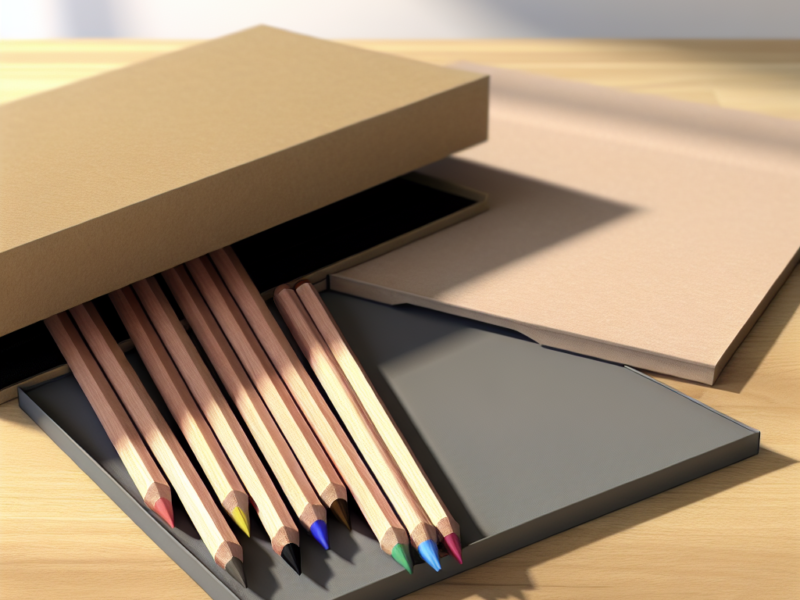
Pencil Factory Process: How Pencils Are Made Explained
From the classroom to the artist’s studio, pencils are everywhere—yet few people ever stop to consider how these humble tools are made. The pencil factory process is a fascinating blend of tradition, precision engineering, and material science. In this article, we’ll take a deep dive into the complete journey of how pencils are made, from raw materials to the final product ready for writing, drawing, or designing.
Why Understanding the Pencil Manufacturing Process Matters
Although pencils may seem like simple tools, their production involves a series of carefully coordinated steps. Each phase—from wood selection to graphite core insertion—affects the pencil’s performance, durability, and overall quality. For manufacturers, artists, educators, and curious consumers alike, learning how pencils are made provides valuable insight into craftsmanship and industrial efficiency.
Let’s walk through each stage of this intriguing process, highlighting the key materials, equipment, and decisions that turn raw components into one of the world’s most essential writing tools.
1. Selecting the Right Wood: The Foundation of Every Pencil
The first step in the pencil factory process is choosing the right wood. High-quality pencils are typically made from incense cedar, a soft, straight-grained wood that’s easy to machine and resists warping. Cedar also sharpens cleanly without splintering, which is critical for both user experience and safety.
Most manufacturers, including legacy companies like Musgrave and Interwell, use pre-cut cedar slats that are kiln-dried to a specific moisture content. This ensures dimensional stability and reduces waste during machining.
For more on wood selection in pencil manufacturing, see Interwell’s production guide.
2. Cutting and Grooving the Slats
Once the cedar slats arrive at the factory, they are cut to standardized dimensions—typically around 7.25 inches long, 2.5 inches wide, and 0.25 inches thick. These dimensions may vary depending on the pencil type and brand.
Next, each slat is passed through a grooving machine that cuts multiple parallel grooves along its length. These grooves are precisely engineered to hold the graphite cores snugly, ensuring proper alignment and strength.
Groove spacing and depth are standardized, but high-end manufacturers may customize these dimensions for specialty pencils or branding requirements.
3. Preparing the Graphite Core: More Than Just “Lead”
Contrary to popular belief, pencils don’t contain actual lead. The core is a mixture of graphite and clay, blended together and fired in kilns to create a dense, durable rod. The ratio of graphite to clay determines the pencil’s hardness:
| Grade | Graphite % | Clay % | Resulting Hardness |
|---|---|---|---|
| 6B | High | Low | Very Soft, Dark |
| HB | Balanced | Balanced | Medium Hardness |
| 4H | Low | High | Very Hard, Light |
These graphite rods are cut to match the length of the wooden slats and are ready for insertion into the grooves.
For a deeper dive into core composition, check out this HowStuffWorks article.
4. Assembling the “Pencil Sandwich”
With the grooved slats and graphite cores prepared, the next step is assembly. This phase is often referred to as creating a “pencil sandwich.” Here’s how it works:
- Graphite rods are laid into the grooves of one slat.
- A second grooved slat is aligned and pressed on top, encasing the graphite.
- Industrial-strength glue is applied to bond the layers securely.
The glued slats are then clamped and left to dry under pressure. This ensures that the core stays centered and that the final pencil will not split during sharpening.
5. Shaping the Pencil
Once the glue has cured, the double-slats are fed into a shaping machine that cuts them into individual pencils. Most standard pencils are hexagonal or round, but specialty shapes like triangular or jumbo sizes are also common in educational or ergonomic designs.
This shaping process removes excess wood and creates the final pencil profile. Precision is critical here—uneven shaping can cause breakage or discomfort during use.
6. Painting and Finishing
After shaping, pencils are sanded smooth and moved to the finishing line. Here, they are painted in multiple coats—often using non-toxic, water-based lacquers. The color not only serves branding purposes but also protects the wood from moisture and wear.
Some pencils receive up to six coats of paint, especially premium or artist-grade models. Between each coat, the pencils are dried and inspected for consistency.
Branding details such as the pencil grade, company logo, or country of origin are then stamped or printed onto the barrel using hot foil stamping or ink printing techniques.
7. Attaching the Ferrule and Eraser
For pencils that include erasers, the next step is attaching the metal ferrule and rubber tip. This is done using automated machines that:
- Crimp the ferrule onto the pencil end
- Insert and secure the eraser inside the ferrule
Ferrules are typically made of aluminum or brass and may be painted or left bare depending on the design. Erasers come in various materials, such as synthetic rubber or vinyl, depending on the intended use and price point.
For a behind-the-scenes look at this process, visit the Musgrave Pencil Company blog.
8. Quality Control and Packaging
Before pencils are packaged, they undergo rigorous quality control checks. These inspections may include:
- Visual inspection for paint flaws, cracks, or misalignments
- Sharpening tests to ensure the core is centered and doesn’t break
- Writing tests for graphite consistency
Once approved, pencils are either sharpened or left unsharpened, then bundled into boxes or retail packs. Bulk orders for schools or OEM clients may be packaged differently than branded retail products.
Traditional Craft Meets Modern Precision
What makes the pencil factory process so compelling is the way it balances time-honored craftsmanship with cutting-edge technology. While the basic steps have remained largely unchanged for over a century, today’s manufacturers use CNC machines, automated assembly lines, and eco-friendly materials to improve efficiency and sustainability.
For example, some companies are now using recycled wood composites or bioplastics for eco-conscious pencil lines. Others are developing waterless paint systems or closed-loop production cycles to minimize waste.
Pros and Cons of Modern Pencil Manufacturing
| Pros | Cons |
|---|---|
| Efficient mass production | High setup costs for automation |
| Consistent product quality | Less flexibility for small custom runs |
| Eco-friendly material options | Sourcing sustainable materials can be costly |
Final Thoughts: A Simple Tool with a Complex Story
The next time you pick up a pencil, take a moment to appreciate the intricate process behind its creation. From the careful selection of cedar wood to the precision of graphite blending and the finesse of branding and finishing, every pencil tells a story of engineering, tradition, and thoughtful design.
Understanding how pencils are made not only deepens our appreciation for everyday objects but also highlights the importance of quality manufacturing practices in even the most familiar tools.
Whether you’re sourcing pencils for an OEM project, teaching students about supply chains, or simply curious about how things work, the pencil factory process offers a perfect case study in how simplicity can emerge from complexity.
Related Reading
- Best OEM Pencil Manufacturing for Global Distributors
- What Importers Should Know About Graphite Pencil Production for Wholesale Orders
- Ultimate Buyer Guide for OEM Pencil Manufacturing for B2B Buyers
- Ultimate Buyer Guide for Non‑Toxic Pencils for Wholesale Orders
- Top OEM Pencil Manufacturing for EU Buyers
- Benefits of OEM Pencil Manufacturing for B2B Buyers
- Best OEM Pencil Manufacturing for Global Distributors
- Best FSC Certified Pencils for EU Buyers