
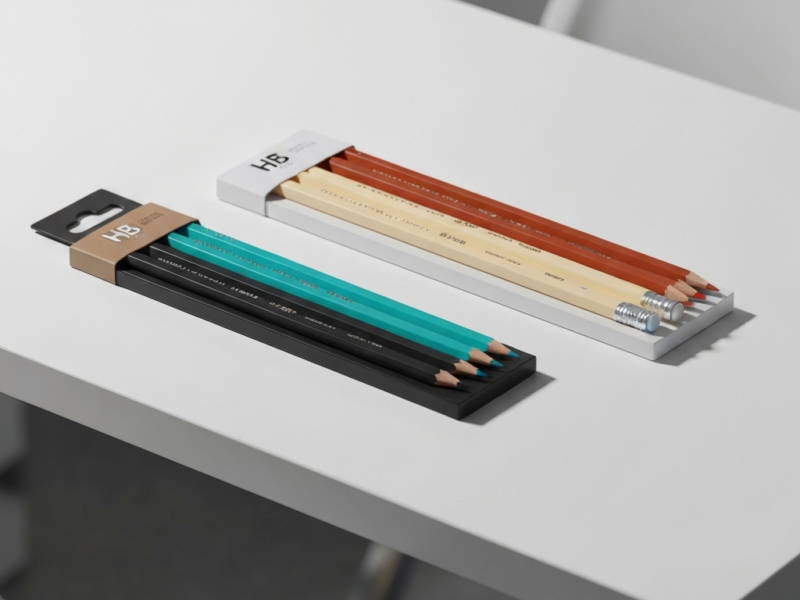
In the fast-paced world of stationery retail and promotional marketing, the ability to fulfill rush orders pencils efficiently is a defining characteristic of a world-class manufacturing partner. Whether it is an unexpected surge in consumer demand or a last-minute corporate event, pencil factories must transition from standard production cycles to high-velocity output without sacrificing lead quality or structural integrity. Navigating these emergencies requires more than just faster machinery; it demands a sophisticated integration of buffer stock management, workforce agility, and transparent supply chain communication. By understanding the underlying mechanics of pencil production, procurement professionals can better evaluate which manufacturers are truly equipped to handle high-pressure timelines while maintaining the rigorous standards expected in the industry.
The Core Philosophy of Expedited Pencil Manufacturing
Managing an emergency order in a factory setting is often misconstrued as a chaotic sprint; however, true efficiency in handling rush orders pencils is rooted in proactive preparation rather than reactive firefighting. A well-organized factory treats the “emergency” not as a disruption of the system, but as a specialized mode of operation that has been pre-engineered for success. This shift in mindset allows the facility to absorb shocks in demand without derailing existing long-term contracts or compromising on the curing time of the wood slats. According to industry leaders, the foundation of this resilience is a blend of systemic protocols and inherent operational flexibility. You can explore more about these foundational strategies in this industry Q&A on handling rush orders. By establishing predefined workflows for identifying and prioritizing these orders, factories prevent ad-hoc chaos on the shop floor.
Strategic Inventory: The Role of Semi-Finished Goods
The most effective method for accelerating the production timeline is the maintenance of a buffer stock of semi-finished goods. In the context of pencil manufacturing, this means keeping a ready supply of “blank” pencils—those that have been grooved, leaded, and glued but not yet painted, tipped, or branded. By bypassing the initial stages of raw wood processing and lead insertion, a factory can shave days, if not weeks, off the total lead time. This stage is critical because the bonding of the graphite core to the wood slat requires specific temperature and humidity controls to ensure the pencil does not break during sharpening later. When a factory maintains a robust inventory of these blanks, they can move directly to the finishing department, where lacquer application, foil stamping, and ferrule attachment occur. This strategic approach to rush orders pencils ensures that the most time-consuming chemical processes are already completed before the order even arrives. For more technical insights into how factories manage these stocks, refer to this guide on emergency rush order handling.
Production Workflow Comparison: Standard vs. Rush
To understand the optimization required, it is helpful to compare the workflow of a standard high-volume order against an expedited rush protocol. The table below outlines the primary differences in stages and resource allocation.
| Production Stage | Standard Order Protocol | Rush Order Protocol |
|---|---|---|
| Material Sourcing | Just-in-time procurement of raw slats. | Immediate draw from pre-processed buffer stock. |
| Core Bonding | Scheduled in large batches for energy efficiency. | High-priority line reallocation; immediate curing. |
| Finishing & Painting | Multi-coat lacquer with standard drying times. | UV-cured paints or expedited drying cycles. |
| Customization | Batch stamping during regular shifts. | Dedicated overtime shifts for rapid branding. |
| Quality Control | Statistical sampling per batch. | Enhanced 100% inspection for critical rush lots. |
| Logistics | Standard freight consolidation. | Priority courier or dedicated distribution. |
Workforce Agility and Machine Reallocation
A significant bottleneck in fulfilling rush orders pencils is often the availability of skilled labor and specific machinery. Advanced pencil factories utilize a flexible workforce model where employees are cross-trained in multiple departments. For example, a technician primarily responsible for the slat-grooving machine may be moved to the tipping and eraser assembly line if that is where the volume is currently peaking. This versatility allows the production manager to “pulse” the factory’s capacity toward the most urgent needs. Furthermore, modern manufacturing setups often include versatile machinery that can be quickly retooled for different pencil shapes—hexagonal, round, or triangular—allowing for a seamless transition between different client specifications without hours of downtime. The ability to pivot without losing momentum is what separates high-capacity OEM manufacturers from smaller, more rigid operations. Insights into how large-scale factories manage these shifts can be found in this analysis of high-volume OEM pencil orders.
Supply Chain Resilience and Supplier Communication
No factory is an island, and when dealing with rush orders pencils, the strength of the external supply chain is just as important as the internal mechanics. If a factory runs out of a specific lacquer color or a particular grade of graphite (such as 2B or HB), the entire rush protocol grinds to a halt. Resilient factories maintain diversified sourcing strategies and keep open, transparent channels with their suppliers. This “demand-driven” approach allows suppliers to anticipate the factory’s needs and prioritize their shipments during peak periods. By treating suppliers as partners rather than mere vendors, manufacturers ensure that raw materials are never the reason for a delay. This proactive stance is essential for building a system that can absorb sudden spikes in demand without compromising the quality of the final product. Understanding the broader implications of supply chain emergencies is vital, as discussed in this resource on emergencies in production planning.
The Critical Last Mile: Packing and Logistics
The manufacturing of the pencil is only half the battle; the “rush” must extend through the packing and shipping phases to be successful. When dealing with hundreds of thousands of units, the logistics of packing become a complex engineering challenge. Pencils must be packed tightly to prevent friction damage during transit, which can scuff the lacquer or break the internal leads. Efficient packing systems involve automated counting and boxing that can handle the sheer volume of a rush request. Once packed, the coordination with distributors and shipping carriers is paramount. For rush orders pencils, factories often bypass standard shipping hubs in favor of direct-to-customer logistics or air freight. This final stage is where many orders fail if not managed with the same precision as the manufacturing floor. Detailed information on the scale of these logistical operations can be explored via Easley Transportation’s look at pencil logistics.
Maintaining Quality Under Pressure
One of the biggest risks during an expedited production run is the potential for a dip in quality control. When speed is the priority, there is a natural temptation to rush the drying process of the paint or to skip the final inspection of the sharpening taper. However, a professional factory knows that a rush order delivered with defects is worse than a slightly delayed order. To mitigate this, factories implement “checkpoints” that are non-negotiable, even during emergencies. This includes testing the “point strength” of the graphite and ensuring the wood-to-core bond is secure. By integrating these quality checks into the automated flow of the production line, the factory ensures that every pencil leaving the facility meets the required specifications, regardless of how quickly it was produced.
Pros and Cons of Rush Production
While the ability to provide rush orders pencils is a competitive advantage, it comes with a set of trade-offs that both the manufacturer and the client must consider.
The Advantages
- Client Retention: Meeting a tight deadline builds immense trust and long-term loyalty with B2B partners.
- Market Responsiveness: Allows brands to capitalize on trending events or sudden shifts in consumer interest.
- Operational Testing: Rush orders stress-test the factory’s systems, revealing areas where further optimization is possible.
- Revenue Growth: Expedited services often command a premium, contributing to the factory’s bottom line.
The Disadvantages
- Increased Costs: Overtime pay, expedited shipping, and priority material sourcing significantly raise production costs.
- Resource Strain: Focusing on one rush order may temporarily delay other, non-urgent production runs.
- Machine Wear: Operating machinery at peak capacity for extended periods can accelerate the need for maintenance.
- Stress on Personnel: Constant rush environments can lead to employee burnout if not managed with proper shift rotations.
Communication as a Strategic Tool
Transparent communication is the glue that holds a rush order together. From the moment the order is received, the factory must provide realistic timelines and constant updates. This prevents the client from making promises they cannot keep and allows for adjustments if a logistical hurdle arises. Modern factories use ERP (Enterprise Resource Planning) systems that provide real-time data on production progress, which can be shared directly with the client. This level of transparency is crucial for rush orders pencils, where even a six-hour delay can have significant downstream effects. By managing expectations through clear communication, factories turn a high-stress situation into a professional, collaborative effort.
Building a Sustainable Rush Order System
Ultimately, the goal for any serious pencil manufacturer is to make the “rush” feel routine. This is achieved through continuous improvement and the adoption of lean manufacturing principles. By analyzing the data from every emergency order—where the bottlenecks occurred, which materials were in short supply, and which machines were underutilized—the factory can refine its buffer stock levels and cross-training programs. Over time, the distinction between a standard order and a rush order begins to blur, as the entire facility becomes more agile. For businesses looking for a manufacturing partner, the key is to find a factory that doesn’t just promise speed, but one that can demonstrate the systems and infrastructure that make that speed possible. Investing in a partner that understands the nuances of rush orders pencils ensures that your supply chain remains resilient, regardless of what the market throws your way.
Summary of Technical Specifications for Rush Capability
When vetting a factory for rush capacity, consider these technical benchmarks as indicators of their ability to perform under pressure:
- Stock Levels: Does the factory maintain at least a 20% buffer of semi-finished slats and leads?
- Paint Technology: Do they utilize UV-drying or high-efficiency infrared ovens for faster lacquer curing?
- Automation: What percentage of the packing and counting process is automated to reduce human error during high-volume periods?
- Lead Grades: Is there a ready supply of common grades (HB, 2B, 2H) to prevent delays in core insertion?
- Logistical Partnerships: Does the factory have pre-negotiated contracts with expedited shipping providers for immediate pickup?
By focusing on these structural elements, factories can transform the challenge of rush orders pencils into a streamlined, high-quality production event. This level of operational excellence is what defines the leaders in the modern stationery manufacturing industry, ensuring that even the most urgent needs are met with precision, quality, and professional reliability.
Related Reading
- Managing Seasonal Demand for Pencils in Europe
- Container Loading Pencils: Guarantee On-Time Delivery
- Material Sourcing Pencils: Essential Guide for OEM Buyers
- Efficient Sample Evaluation Pencils for European Buyers
- The Importance of Pre-Shipment Sample Pencils for Quality
- Pencil Factory Traceability: Ensure Compliant Material Batches
- Ensuring Brand Consistency with Quality OEM Pencils
- Advantages of Direct OEM Pencils for Brand Owners