
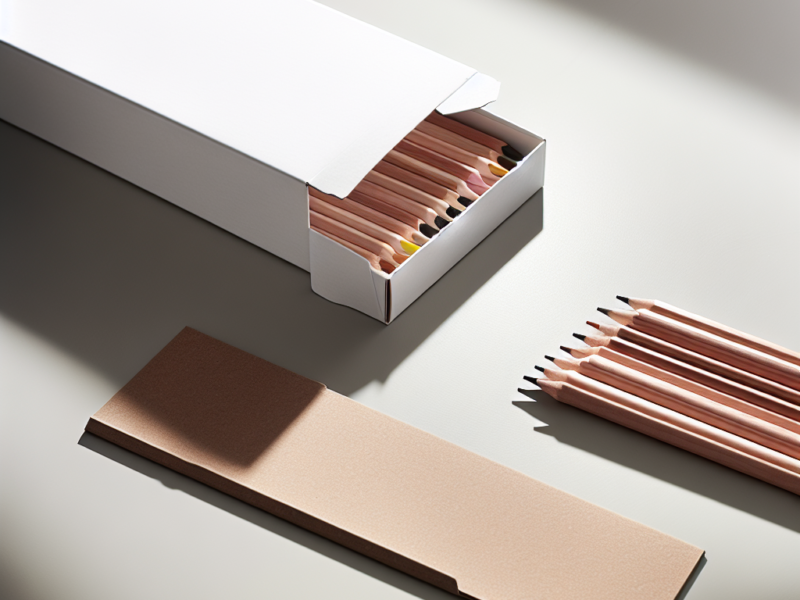
In the world of premium stationery, metallic pencils OEM production stands out as a fascinating blend of artistry, engineering, and customization. Whether you’re a brand looking to launch a signature pencil line or a retailer sourcing high-quality writing tools, understanding the OEM (Original Equipment Manufacturer) process is essential. This article explores the full lifecycle of metallic pencil production—from raw material selection to final packaging—offering insight into the craftsmanship and technology that define this niche market.
What Are Metallic Pencils?
Metallic pencils are colored pencils infused with metallic pigments that give the lead a shimmering, reflective finish. Unlike standard colored pencils, their cores contain mica or other reflective particles, allowing them to create luminous effects on paper, especially dark surfaces. These pencils are favored by artists, designers, and even luxury brands for their aesthetic appeal and unique visual results.
When produced through OEM channels, metallic pencils can be customized in every aspect—from the core composition to barrel design, branding, and packaging—making them ideal for companies seeking bespoke stationery solutions.
Why Choose OEM for Metallic Pencil Production?
OEM manufacturing allows businesses to outsource the production of goods under their own branding. In the case of metallic pencils, this means a company can work with an experienced pencil manufacturer to develop a fully customized product line without owning a factory.
Key benefits of OEM production include:
- Full control over design and specifications
- Access to advanced manufacturing expertise
- Scalability for large or small production runs
- Cost efficiency through established supply chains
OEM is particularly valuable in the stationery sector, where product differentiation and quality are critical for brand success.
OEM Metallic Pencil Manufacturing: Step-by-Step Process
The production of metallic pencils under OEM contracts involves several precise stages. Each phase reflects a balance between traditional craftsmanship and modern industrial efficiency.
1. Raw Material Selection
The foundation of a quality metallic pencil lies in its materials. According to Pencil China, the pencil core is typically composed of graphite and clay. However, for metallic pencils, the formulation is more complex. The core includes:
- High-purity graphite or pigment base
- Clay as a binder for structure and smoothness
- Metallic pigments such as mica, aluminum powder, or pearlescent compounds
These ingredients are carefully measured and blended to achieve the desired texture, color intensity, and reflective quality. The ratio of pigment to clay affects both the brilliance and the hardness of the pencil lead.
2. Core Mixing and Extrusion
Once the materials are selected, they are mixed into a homogenous paste. This paste is then extruded into thin rods—the pencil cores. The extrusion process ensures uniform diameter and consistency, which is critical for smooth application and even color laydown.
After extrusion, the cores are dried and sometimes baked at high temperatures to harden them. This step stabilizes the core and prepares it for insertion into the pencil body.
3. Wood Casing Preparation
High-quality metallic pencils often use cedarwood or basswood for the outer casing due to their softness and ease of sharpening. As noted in Interwell’s production guide, pre-cut wooden slats are grooved to hold the pencil cores.
The process involves:
- Machining grooves into one side of the slat
- Placing the dried metallic core into the groove
- Gluing a second slat on top to sandwich the core
These glued slats are then pressed and dried to ensure a strong bond. The result is a “pencil sandwich” ready for shaping.
4. Shaping and Cutting
The bonded wood-core blocks are fed into shaping machines that carve them into hexagonal, round, or triangular profiles, depending on the client’s specification. These machines also cut the long blocks into individual pencils, typically 17.5 cm in length.
This stage defines the ergonomic feel of the pencil and contributes to brand identity. For example, triangular pencils may be marketed as ergonomic or educational tools.
5. Surface Finishing and Varnishing
After shaping, the pencils are sanded and smoothed to remove any wood splinters. They are then coated with multiple layers of lacquer or paint. This not only enhances the aesthetic but also protects the wood from moisture and wear.
For metallic pencils, the outer finish often matches the core color or includes metallic accents to reflect the shimmering nature of the lead. High-end OEM manufacturers may use UV printing, hot stamping, or foil finishes to create a luxurious appearance.
6. Branding and Customization
One of the most important aspects of OEM production is customization. At this stage, the client’s logo, slogan, or artwork is printed onto the pencil. Techniques include:
- Silkscreen printing
- Pad printing
- Laser engraving
Many OEM clients also request color-matched end caps, dipped ends, or ferrules with erasers. These finishing touches elevate the product and align it with the brand’s visual identity.
7. Quality Control and Testing
Before packaging, each batch of pencils undergoes rigorous quality checks. These include:
- Lead strength and breakage resistance
- Color consistency and metallic sheen
- Sharpening ease
- Print durability
OEM manufacturers often provide samples for client approval before proceeding with full-scale production. This ensures that the final product meets all aesthetic and functional expectations.
8. Packaging and Shipping
Packaging is the final stage in the metallic pencils OEM process. Options range from simple cardboard sleeves to luxury tin boxes or custom-designed retail packaging. The choice depends on the target market and price point.
Once packed, the products are shipped to the client or directly to distributors and retailers. Efficient logistics and international compliance are crucial, especially for brands operating in multiple markets.
Material Comparison: Standard vs. Metallic Pencil Cores
| Feature | Standard Colored Pencil | Metallic Colored Pencil |
|---|---|---|
| Core Composition | Pigment + Clay + Wax | Pigment + Clay + Metallic Flakes |
| Visual Effect | Matte or Vibrant | Shimmery, Reflective |
| Surface Compatibility | All paper types | Best on dark or textured paper |
| Application | General coloring | Art, design, luxury branding |
Craftsmanship Meets Innovation
As seen in the Caran d’Ache behind-the-scenes tour, pencil making is both a technical and cultural process. The brand emphasizes traditional hand-finishing techniques while integrating modern machinery for precision. This dual approach is mirrored in OEM manufacturing, where efficiency meets elegance.
For metallic pencils, the stakes are even higher. The inclusion of metallic pigments requires tighter control over material ratios, extrusion conditions, and finishing techniques. OEM manufacturers with a heritage in pencil making often blend artisanal knowledge with high-throughput production to meet these demands.
Choosing the Right OEM Partner
Not all OEM manufacturers are created equal. When sourcing metallic pencils, consider the following:
- Experience with specialty pigments and custom cores
- Ability to match brand colors and finishes
- Certifications (e.g., FSC wood, EN71 safety compliance)
- Minimum order quantities and lead times
- Client references and sample availability
Working with a seasoned OEM partner ensures that your metallic pencils not only look stunning but also perform reliably across use cases.
Conclusion: A Shimmering Opportunity
Metallic pencils OEM production is a sophisticated process that brings together material science, design, and brand strategy. Whether you’re launching a new product line or enhancing your existing stationery offerings, understanding the OEM workflow empowers you to make informed choices.
From pigment selection to packaging design, every detail contributes to the final product’s quality and appeal. By partnering with the right OEM manufacturer, you can deliver pencils that captivate both in form and function—adding shimmer not just to paper, but to your brand’s reputation.
Related Reading
- Securing Long-Term OEM Supply Pencils Through Agreements
- Top Pencil OEM Customization Options Explained
- Boost Branding with Heat Transfer Pencils OEM Solutions
- UV Printing Pencils OEM for Premium Custom Branding
- Pencil Packaging OEM Solutions for Retail Chains
- Latex Free Erasers OEM Material Guide
- Hexagonal and Triangular Pencil OEM Customization Guide
- Bulk Pencil Production Capacity for OEM Orders Explained