
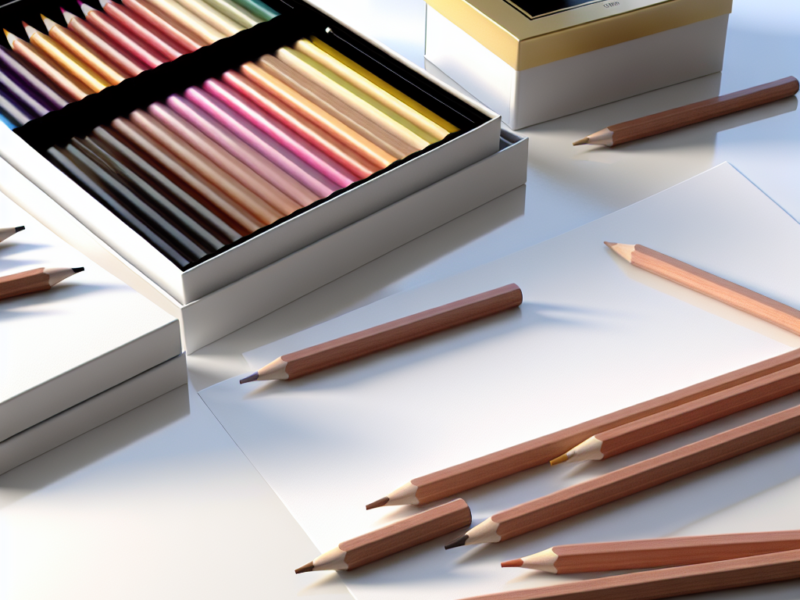
For OEM buyers in the stationery industry, sourcing the right pencil materials is more than just a procurement decision—it’s a strategic move that impacts product quality, safety, brand reputation, and cost-efficiency. Whether you’re launching a new private label or scaling an existing line, understanding the intricacies of material sourcing pencils is essential. This guide dives deep into the key considerations for OEM buyers, from raw material selection and supplier relationships to regulatory compliance and long-term sourcing strategies.
Understanding the OEM Pencil Supply Chain
OEM (Original Equipment Manufacturer) sourcing allows brand owners to customize pencil products while leveraging the manufacturing capabilities of established producers. Unlike white-label solutions, OEM sourcing gives you control over design, materials, and quality standards. However, this also means the responsibility for material selection and supplier vetting falls squarely on your shoulders.
The pencil supply chain typically involves several stages: raw material procurement, component processing (wood slats, graphite cores, ferrules, erasers), assembly, finishing (painting, stamping), and packaging. Each stage presents opportunities—and risks—for quality control and cost optimization.
Key Materials in Pencil Manufacturing
To make informed decisions, OEM buyers must understand the core materials that define pencil quality and performance. Here’s a breakdown of the essential components:
| Component | Material | Key Considerations |
|---|---|---|
| Wood Casing | Cedar, Basswood, Jelutong, Poplar | Sharpenability, smoothness, sustainability, cost |
| Core | Graphite and Clay Blend | Hardness grade, consistency, break resistance |
| Eraser | Synthetic Rubber, PVC-free compounds | Smudge-free performance, non-toxicity |
| Ferrule | Aluminum, Brass | Corrosion resistance, secure crimping |
| Paint/Coating | Water-based, Non-toxic Paints | Color uniformity, safety compliance, durability |
Wood Selection: Balancing Cost, Quality, and Sustainability
Wood is the backbone of any pencil, and its selection significantly affects the end-user experience. Premium pencils often use incense cedar for its straight grain and ease of sharpening. However, due to cost and availability, many OEM buyers opt for basswood or poplar, which offer acceptable performance at a lower price point.
When sourcing wood, consider the following:
- Sharpenability: Softer woods like basswood sharpen cleanly without splintering.
- Grain consistency: Uniform grain reduces breakage and improves aesthetics.
- Sustainability: Look for FSC or PEFC certification to ensure responsible forestry practices.
For buyers targeting eco-conscious consumers, sustainable wood sourcing can be a key differentiator in branding and marketing.
Graphite Core: The Heart of Writing Performance
The core, often referred to as the “lead”, is a blend of graphite and clay. The ratio of these materials determines the pencil’s hardness, typically graded on the HB scale. For OEM buyers, consistent core quality is non-negotiable—especially for educational, professional, or artistic use.
Important factors include:
- Centering: Off-center cores lead to breakage and poor sharpening.
- Consistency: Uniform hardness ensures predictable writing or drawing results.
- Break resistance: Especially important for mechanical sharpening and student use.
As noted in the guide for dollar store buyers, quality control in graphite formulation is critical. Buyers should request samples and performance data before committing to bulk orders. For further reading on graphite quality and sourcing, see this OEM buyer guide.
Non-Toxic Compliance and Safety Standards
Today’s consumers—and regulators—demand safe, non-toxic materials, especially for products used by children. OEM buyers must ensure that all components of their pencils comply with international safety standards such as:
- ASTM D4236: Labeling of art materials for chronic health hazards.
- EN71: European safety standard for toys, including chemical content.
Non-compliance can result in product recalls, legal liability, and reputational damage. Always request test reports and certifications from your OEM partner. If you’re sourcing for retail environments such as schools or dollar stores, this step is essential for brand protection.
Choosing the Right OEM Partner
Finding a reliable OEM supplier is as crucial as selecting the right materials. A good partner not only provides consistent quality but also supports your branding, compliance, and delivery needs. According to Durzerd’s OEM guide, direct relationships with manufacturers offer several advantages:
- Better pricing through volume and direct negotiation
- Greater customization flexibility
- Faster turnaround and responsive communication
When evaluating potential partners, ask for:
- Manufacturing certifications (ISO 9001, BSCI, etc.)
- Previous client references
- Detailed product catalogs and sample kits
Quality Control Measures: What to Look For
Quality assurance must be embedded at every stage of the OEM process. This includes raw material inspection, in-process checks, and final product testing. As emphasized in this manufacturing quality control guide, buyers should look for suppliers who implement:
- Incoming raw material audits
- Core centering and bonding tests
- Durability and sharpening trials
- Batch traceability systems
Consider conducting your own third-party inspections or factory audits before placing large-scale orders. This is especially important for first-time collaborations or high-volume contracts.
Long-Term Contracts vs. Spot Buying
While spot purchasing may seem flexible, long-term OEM contracts offer significant strategic advantages. As explained in this article on supplier contracts, benefits include:
- Stable pricing over time
- Priority production slots during peak seasons
- Improved supplier loyalty and collaboration
For OEM buyers, long-term agreements can also secure access to exclusive materials or custom tooling investments. However, these contracts should include clear quality benchmarks, delivery timelines, and penalty clauses to protect your interests.
Workflow for Material Sourcing Pencils: A Step-by-Step Approach
To streamline your OEM sourcing process, follow this structured workflow:
- Define product specs: Grade, material preferences, usage context (e.g., student, art, office).
- Shortlist suppliers: Based on capabilities, certifications, and past performance.
- Request samples: Evaluate wood quality, core centering, eraser performance.
- Check compliance: Verify test reports for ASTM, EN71, etc.
- Negotiate terms: Pricing, MOQs, lead times, and payment conditions.
- Run pilot order: Assess production consistency and delivery reliability.
- Scale with contract: Finalize long-term agreement based on performance.
Pros and Cons of OEM Material Sourcing
To help you weigh your options, here’s a quick pros and cons list:
| Pros | Cons |
|---|---|
| Full control over product design and materials | Requires in-depth knowledge of manufacturing |
| Higher brand differentiation and quality assurance | Longer lead times compared to off-the-shelf options |
| Potential for better margins through direct sourcing | Upfront investment in sampling and compliance |
| Stronger supplier relationships over time | Risk if supplier underperforms or changes terms |
Conclusion: Strategic Sourcing Builds Better Pencils
For OEM buyers, sourcing pencil materials is a nuanced process that blends technical knowledge, supplier management, and regulatory awareness. By focusing on quality inputs—wood, graphite, erasers—and choosing a reliable manufacturing partner, you can deliver superior products that reflect your brand values. Whether you’re entering the market or optimizing an existing supply chain, a strategic approach to material sourcing pencils will position your business for long-term success.
For more insights on OEM pencil sourcing and supplier selection, explore these resources:
Related Reading
- Basswood for Clean Sharpening: The Ideal Choice
- Advantages of Direct OEM Pencils for Brand Owners
- Understanding the Global Pencil Supply Chain
- OEM Pencil Pricing Guide for Manufacturers and Buyers
- Essential Guide to Varnish Pencil Coating Types
- Kiln-Dried Wood Pencils: Ensuring Stability and Quality