
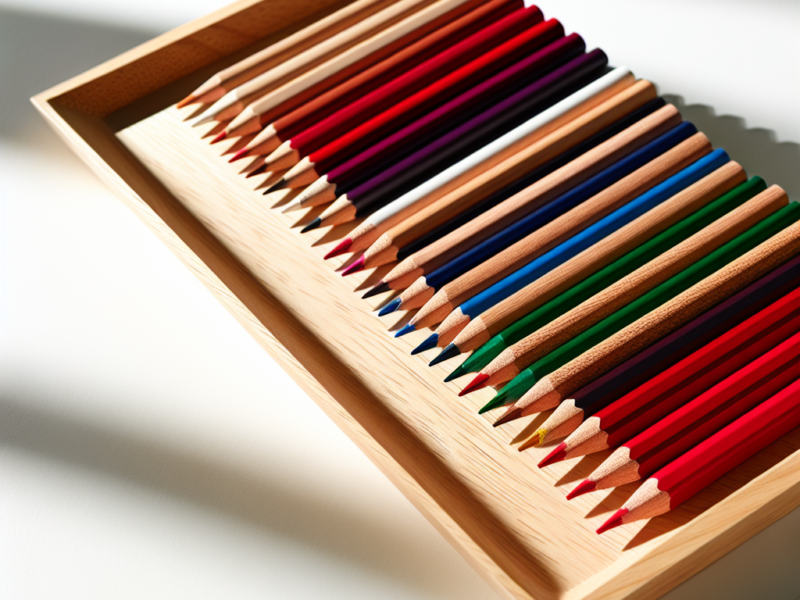
Marking Pencil Uses and Where to Buy Pencils
From tailoring studios to industrial warehouses, marking pencils are the unsung heroes of precision work. Whether you’re a craftsman, manufacturer, or artist, understanding the right pencil for the job—and where to buy it—can dramatically improve your workflow. In this guide, we’ll explore the diverse applications of marking pencils and share expert tips on sourcing them from the right pencil supplier.
What Is a Marking Pencil?
A marking pencil is a specialized writing tool designed for temporary or semi-permanent marks on various surfaces. Unlike standard graphite pencils, these are engineered to write on materials such as fabric, metal, wood, ceramics, and even glass. The composition of the core—whether wax-based, chalky, or pigmented—determines its suitability for specific surfaces.
These pencils are essential in industries where precision marking is crucial before cutting, machining, or assembling. For example, in textiles, tailors use white or colored fabric pencils to outline patterns. In carpentry, soft-leaded pencils mark wood without damaging the grain. In metalworking, high-contrast pencils like soapstone or paint-based markers ensure visibility on dark or oily surfaces.
Common Applications Across Industries
Marking pencils are not one-size-fits-all. Their functionality varies based on the sector and task. Here’s how different industries utilize them:
- Textile and Fashion: Tailors and designers use fabric marking pencils to trace patterns, darts, and seam lines. These marks are often heat- or water-soluble, allowing for easy removal after stitching.
- Woodworking: Carpenters prefer soft graphite or grease pencils to mark cuts and joints without splintering the surface.
- Metal Fabrication: Soapstone pencils and paint markers are used to draw on steel, aluminum, and other metals, especially in weld prep.
- Construction: Builders use marking pencils for layout work on drywall, concrete, and tile.
- Ceramics and Glass: Artists and glaziers use wax-based pencils to sketch directly on glazed or reflective surfaces.
Each pencil type must be carefully matched to the surface material and the required permanence of the mark.
Types of Marking Pencils and Their Features
There are several types of marking pencils, each tailored to specific needs. Here are the most common categories:
- Grease Pencils: Also known as china markers, these wax-based pencils write on smooth, non-porous surfaces like glass, plastic, and metal. They’re water-resistant and ideal for temporary marks that won’t smudge easily.
- Tailor’s Chalk Pencils: These combine the accuracy of a pencil with the removability of chalk. Perfect for marking on fabric, they come in multiple colors for visibility on different textiles.
- Soapstone Pencils: Made from natural talc, these are favored in welding and metal fabrication for their high heat resistance and visibility on dark metals.
- Graphite Marking Pencils: These are softer than standard pencils, often in the 6B–9B range, to create bold lines on wood or paper patterns without damaging the material.
Some pencils are encased in wood, while others are wrapped in paper for peel-away use. The casing can affect grip, control, and even durability in industrial settings.
Choosing the Right Marking Pencil
When selecting a marking pencil, consider the following factors:
- Surface Material: Is it porous like fabric or non-porous like metal?
- Removability: Do you need the mark to be erasable, washable, or permanent?
- Environment: Will it be used in high-heat, dusty, or oily conditions?
- Line Thickness: Fine lines for detail work or bold marks for visibility?
For example, if you’re marking glassware in a humid environment, a grease pencil is preferable to a standard graphite pencil, which may smudge or fail to adhere.
Where to Buy Pencils: Retail vs. Wholesale
When it’s time to buy pencils, your source matters. For occasional use, retail outlets like office supply stores or craft shops offer convenience. But for businesses, sourcing from a reputable pencil supplier ensures better quality, consistency, and pricing.
Here’s a breakdown of your options:
- Retail Stores: Ideal for small quantities and general-purpose marking pencils. Look for brands like Prismacolor (for china markers) or Dritz (for fabric pencils).
- Online Marketplaces: Amazon, Uline, and specialty art supply sites offer a wide range of marking tools. Be cautious of counterfeit or low-quality imports.
- Industrial Suppliers: Companies like MSC Industrial and Grainger stock marking pencils for metalworking, construction, and manufacturing.
- OEM Pencil Manufacturers: For bulk orders or private labeling, working directly with a pencil manufacturer offers customization and cost efficiency. Many OEMs in countries like Germany, Japan, and China specialize in industrial-grade marking tools.
For a deeper understanding of OEM pencil production, this guide on pencil manufacturing provides valuable insights into core materials, casings, and production techniques.
What to Look for in a Pencil Supplier
Choosing the right supplier isn’t just about price—it’s about reliability, product integrity, and technical support. Here are key traits to evaluate:
- Product Range: Do they offer multiple types of marking pencils for different surfaces?
- Material Transparency: Are the core materials (wax, graphite, pigment) disclosed?
- Certifications: Look for ISO or FSC certifications, especially for sustainable or child-safe products.
- Customization: Can they provide private labeling or custom packaging for your brand?
- Lead Times: For high-volume orders, consistent delivery timelines are crucial.
Some suppliers also offer technical datasheets, which are particularly useful for industrial buyers who need to ensure compatibility with specific production processes.
Tips for Buying in Bulk
If you’re sourcing marking pencils for a manufacturing operation, school district, or retail brand, buying in bulk offers significant advantages. Here’s how to do it right:
- Request Samples: Always test a pencil on your target surface before placing a large order.
- Negotiate MOQ: Minimum Order Quantities (MOQs) vary widely. Some suppliers are flexible based on long-term potential.
- Check for Private Labeling: If you’re reselling, ask about branding options and packaging design.
- Factor in Shipping and Duties: For international orders, consider logistics costs and delivery timelines.
For more insight into the global pencil supply chain, Statista’s overview of the pencil market sheds light on production hubs and market trends.
Final Thoughts: Precision Begins with the Right Pencil
Whether you’re sketching a design, laying out a weld, or making a precision cut, the right marking pencil can make all the difference. Understanding the material you’re working with—and selecting a pencil engineered for that surface—ensures accuracy and efficiency.
And when it’s time to buy pencils, don’t settle for generic options. Partnering with a trusted pencil supplier gives you access to better materials, consistent performance, and long-term value. From OEM manufacturers to industrial distributors, the right source can elevate your entire operation.
Precision starts with a mark. Make yours count.