
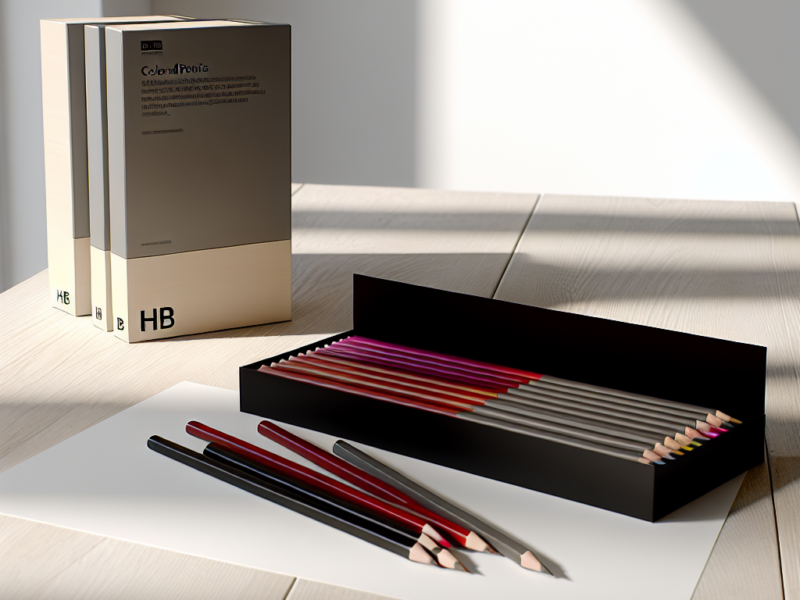
Seasonal demand for pencils in Europe presents both a challenge and an opportunity for manufacturers, suppliers, and retailers alike. With back-to-school periods, holiday gifting seasons, and promotional cycles driving sharp fluctuations in sales, managing inventory and logistics efficiently becomes critical. Understanding how to anticipate and respond to these cyclical trends is essential not only for profitability but also for maintaining strong relationships with distributors and end consumers.
Understanding the Nature of Seasonal Demand for Pencils
In Europe, the demand for pencils is heavily influenced by specific calendar events. The most prominent peak occurs in late summer, coinciding with the back-to-school season across the continent. Other notable spikes include the winter holidays, where pencils and stationery items are often bundled as gifts or included in art supply kits. These seasonal surges can cause significant volatility in sales volumes, making it imperative for businesses to plan ahead.
Unlike perishable goods, pencils have a longer shelf life, but overproduction or underproduction can still lead to financial inefficiencies. Overstocking ties up warehouse space and capital, while stockouts can result in missed sales and damaged retailer relationships. Therefore, managing seasonal demand pencils requires a strategic, data-driven approach.
Forecasting Demand: The Backbone of Seasonal Readiness
Modern pencil suppliers in Europe increasingly rely on advanced forecasting tools to prepare for seasonal peaks. Traditional forecasting methods based solely on historical sales data are no longer sufficient due to evolving consumer behaviors and market dynamics. Instead, companies are turning to ERP systems integrated with AI and machine learning algorithms to gain real-time insights.
For example, as discussed in Durzerd Pencil’s industry case study, European suppliers are leveraging predictive analytics to monitor buying patterns from retailers and consumers. These systems analyze past sales, promotional calendars, school start dates, and even weather patterns to refine demand projections. This allows manufacturers to adjust production schedules and inventory levels months in advance.
Supply Chain Flexibility: A Key to Seasonal Success
Accurate forecasting is only one part of the equation. Flexibility across the supply chain is equally important. According to Maersk’s supply chain strategy guide, companies that build adaptable networks with flexible storage and transportation options are better equipped to handle seasonal spikes.
In the pencil industry, this may involve working with multiple logistics providers to ensure delivery windows are met during peak periods or utilizing third-party fulfillment centers to reduce last-mile delays. Some suppliers even maintain regional distribution hubs in countries like Germany, France, and the UK to respond faster to localized demand surges.
Warehouse Optimization Techniques for Peak Pencil Seasons
Warehouse operations must be fine-tuned to handle the influx of inventory and outbound shipments during seasonal peaks. The article by Exotec outlines several strategies that are directly applicable to pencil distribution centers:
| Strategy | Application in Pencil Warehousing |
|---|---|
| Maintain Safety Stock | Ensure buffer inventory of popular SKUs like HB pencils and colored sets |
| Use Scalable Automation | Deploy mobile robots or conveyor systems during high-volume periods |
| Optimize Layout | Reorganize bins and pick paths for faster access to high-demand items |
| Flexible Labor Management | Hire seasonal workers or implement shift rotations to boost throughput |
These warehouse strategies help mitigate bottlenecks and maintain service levels during the most demanding months of the year.
Retail Collaboration and Feedback Loops
Strong communication between pencil suppliers and retailers is vital for seasonal planning. Retailers often have first-hand knowledge of upcoming promotional campaigns, school supply lists, or regional trends that can inform production and distribution decisions. Establishing feedback loops allows for real-time adjustments and demand smoothing.
Some European suppliers use vendor-managed inventory (VMI) systems, where the supplier monitors stock levels at the retailer’s location and replenishes automatically. This not only reduces the risk of stockouts but also strengthens the supplier-retailer relationship by sharing responsibility for inventory management.
Digital Tools and Real-Time Data Integration
As highlighted in CEVA Logistics’ analysis, the character of peak seasons is changing due to the integration of real-time data. Pencil manufacturers are now investing in IoT-enabled sensors, RFID tagging, and cloud-based dashboards to track inventory movement and demand signals instantly.
These technologies allow for dynamic reallocation of stock, rerouting of shipments, and proactive issue resolution. For example, if a sudden surge in demand occurs in Eastern Europe due to an unexpected school subsidy program, suppliers can respond within days instead of weeks.
E-Commerce and the Rise of Direct-to-Consumer Channels
While traditional retail remains a major channel for pencil sales, e-commerce is rapidly growing. Platforms like Amazon, Etsy, and independent brand websites are seeing increased traffic during peak gifting seasons. According to FLEX Fulfillment, optimizing for these digital peaks involves not only forecasting but also streamlining returns, packaging, and customer service processes.
For pencil brands, this could mean pre-bundling gift sets, offering limited-edition packaging, or implementing automated order fulfillment systems that can scale up during November and December. Ensuring that product listings are SEO-optimized and that fulfillment partners are equipped to handle increased volume is essential for success in the digital space.
Workforce Planning and Seasonal Staffing
Human resources are often the most overlooked component of seasonal demand management. As discussed in Exotec’s guide, having the right talent in place during peak periods can make or break operational efficiency. Pencil manufacturers and distributors often rely on temporary staffing agencies or cross-train existing employees to step into different roles as needed.
Some companies implement incentive programs or flexible scheduling to retain experienced seasonal workers year after year. Investing in training and onboarding also ensures that temporary staff can contribute effectively from day one, reducing errors and improving throughput.
Financial Planning and Cash Flow Management
From a financial standpoint, seasonal peaks require precise cash flow forecasting. Purchasing raw materials like graphite, cedarwood, and ferrules in large quantities ahead of peak seasons ties up capital. However, failing to secure these inputs early can lead to production delays or increased costs due to market volatility.
Many pencil companies establish supplier contracts with fixed pricing and delivery schedules to mitigate this risk. Others use revolving credit lines or inventory financing to maintain liquidity during heavy procurement phases. Aligning financial planning with operational forecasting ensures that the business remains agile and solvent throughout the year.
Best Practices Summary: Managing Seasonal Pencil Demand
- Use AI-driven forecasting tools for greater accuracy
- Maintain flexible warehousing and logistics capabilities
- Collaborate closely with retailers and distributors
- Invest in scalable automation and temporary labor
- Leverage e-commerce platforms with tailored fulfillment strategies
- Monitor real-time data to adjust plans dynamically
- Plan financially for material procurement and staffing costs
Looking Ahead: Future-Proofing Seasonal Operations
As consumer expectations continue to evolve and market competition intensifies, pencil manufacturers in Europe must stay ahead by embracing digital transformation and supply chain innovation. The volatility of seasonal demand is unlikely to diminish, but with the right tools and strategies, it can be harnessed for growth rather than disruption.
Industry leaders are already exploring blockchain for transparent supplier relationships, predictive maintenance for production equipment, and carbon-neutral logistics to align with sustainability goals. By integrating these innovations into their seasonal planning, companies can not only meet demand but also differentiate themselves in a crowded marketplace.
Further Reading and Industry References
- How Pencil Suppliers Manage Seasonal Peaks in Europe
- How Peak Season Changed Character: Lessons from 2025
- 5 Strategies for Managing Seasonal Peaks in the Warehouse
- Retail Supply Chain Strategies to Handle Seasonal Demand
By applying these insights and continuously refining their approach, pencil suppliers and retailers can transform seasonal demand from a logistical burden into a strategic advantage.
Related Reading
- Seasonal OEM Pencil Supply Strategies for On-Time Delivery
- Effective Pencil Cracking Prevention in Extreme Weather Conditions
- Importance of EN71-3 Heavy Metals Testing for Pencils
- Boost Pencil Sales with Barcode Packaging Solutions
- Why Stretch Film Pencil Packaging Dominates in Europe
- Understanding the Global Pencil Supply Chain