
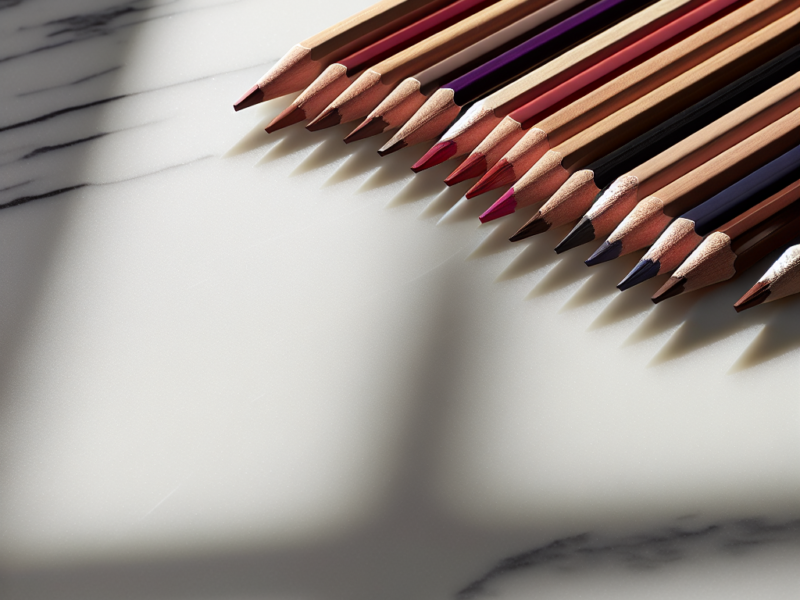
Import Oil-Based Colored Pencil from China Guide
Whether you’re an art supply retailer, a private label brand, or a creative entrepreneur looking to design your own line of colored pencils, sourcing from China can be a game-changer. The country dominates the global stationery manufacturing landscape, offering competitive pricing, scalable production, and a wide variety of customization options. But when it comes to importing something as specific and quality-sensitive as an oil-based colored pencil, success depends on more than just finding a low price. It’s about choosing the right partner, understanding the production process, and navigating international logistics wisely.
Why Oil-Based Colored Pencils Are in Demand
Oil-based colored pencils are prized for their durability, color saturation, and ability to layer without wax bloom. Unlike wax-based pencils, which can feel soft and smudgy, oil-based cores offer a firmer, more controlled stroke. Artists use them for detailed work, blending, and long-term archival projects. This growing demand is driving many businesses to buy pencils in bulk for resale, customization, or branded kits.
China has become a leading producer of oil-based colored pencils, thanks to its mature supply chain, low labor costs, and advanced OEM capabilities. But tapping into that advantage requires careful planning and supplier vetting.
Step 1: Identify the Right Pencil Supplier
The first and most critical step is choosing a reliable pencil supplier. China has thousands of manufacturers and trading companies, but not all are created equal. You want a supplier who not only understands pencil manufacturing but also has experience with oil-based formulations, pigment quality, and export compliance.
Start by searching on platforms like Alibaba, Made-in-China, or Global Sources. Look for:
- Verified suppliers with export licenses
- Factory audits or ISO certifications
- Experience with OEM/ODM projects
- Positive transaction history and reviews
Don’t rely solely on online listings. Once you’ve shortlisted candidates, request samples and arrange video calls or factory visits. Ask about their pigment sourcing, binder composition, and quality control processes. Oil-based cores require precise formulation—too much oil and the pencil becomes greasy; too little and it loses blendability.
For a deeper dive into supplier vetting, the article How to Import Stationery and Office Supplies from China offers a detailed breakdown of verification methods, including checking business licenses and third-party audits.
Step 2: Understand the Manufacturing Process
Knowing how oil-based colored pencils are made can help you evaluate supplier competence and make better product decisions. The core of the pencil is typically a blend of pigments, oil-based binders (such as vegetable oils or synthetic oils), and fillers like kaolin or talc. This mixture is extruded into rods, dried, and encased in wood—usually incense cedar, basswood, or poplar.
When working with suppliers, ask about:
- Core diameter (common sizes are 3.0mm to 4.0mm)
- Wood casing material and FSC certification
- Sharpening performance and break resistance
- Lightfastness and pigment grade
High-quality oil-based pencils should glide smoothly, sharpen cleanly, and retain color intensity across layers. If you’re building a brand, consider investing in custom molds, packaging, or even unique core colors to stand out in the market.
Step 3: Negotiate Terms That Protect Your Business
Once you’ve selected a supplier, the next step is to negotiate terms. This includes pricing, minimum order quantities (MOQs), lead times, and payment terms. Most Chinese suppliers expect a 30% deposit upfront and 70% before shipment. However, terms can vary based on order size and relationship history.
Key points to clarify in your agreement:
- Detailed product specifications (core type, color count, packaging)
- Quality control standards and acceptable tolerance levels
- Penalty clauses for delays or defects
- Intellectual property protection for custom designs
It’s also wise to include a clause for third-party inspections before shipment. Services like SGS, Bureau Veritas, or AsiaInspection can perform quality checks to ensure your order meets agreed standards.
For more on negotiating with Chinese suppliers, this import guide outlines best practices for drafting contracts that minimize risk and build long-term supplier trust.
Step 4: Manage Logistics and Customs Efficiently
Once production is complete, it’s time to manage freight and customs clearance. Depending on your location and budget, you can choose between air freight (faster but more expensive) or sea freight (slower but cost-effective for bulk orders).
Use an experienced freight forwarder who understands international trade terms like FOB (Free On Board), CIF (Cost, Insurance, Freight), and DDP (Delivered Duty Paid). They’ll handle container booking, export paperwork, and customs declarations.
Make sure your shipment includes:
- Commercial invoice and packing list
- Bill of lading or airway bill
- Certificate of origin (if needed for tariffs)
- Product safety data (especially for pigments or oils)
Depending on your country, oil-based colored pencils may fall under consumer product safety regulations. For example, in the U.S., the Consumer Product Safety Commission (CPSC) requires labeling and testing for lead content in children’s art supplies. Always check compliance requirements before shipping.
Step 5: Build a Long-Term Supply Strategy
Once your first order arrives and passes quality checks, you’ll want to scale responsibly. Building a long-term relationship with your supplier can lead to better pricing, faster turnaround times, and more flexibility on MOQs.
Here’s how to strengthen your supply chain:
- Provide regular feedback on product performance and packaging
- Visit the factory annually or send a sourcing agent
- Diversify with backup suppliers to mitigate risk
- Invest in private label packaging to build brand equity
Some businesses also choose to work with sourcing agents or third-party procurement firms who specialize in stationery. These professionals can help manage negotiations, perform factory audits, and coordinate inspections—especially useful if you’re importing at scale.
Final Thoughts: Turning a Commodity into a Brand
At first glance, colored pencils may seem like a basic commodity. But with the right supplier, thoughtful design, and quality control, they become a canvas for creativity—and a powerful product for your brand. Importing oil-based colored pencils from China isn’t just about cost savings; it’s about leveraging a global manufacturing ecosystem to bring your vision to life.
As you explore this opportunity, remember that success lies in the details: pigment quality, wood casing, packaging design, and supplier reliability. Take the time to research, test, and build relationships, and you’ll be well on your way to offering a product that artists and customers will love.
For further reading on international sourcing and art supply manufacturing, check out: