
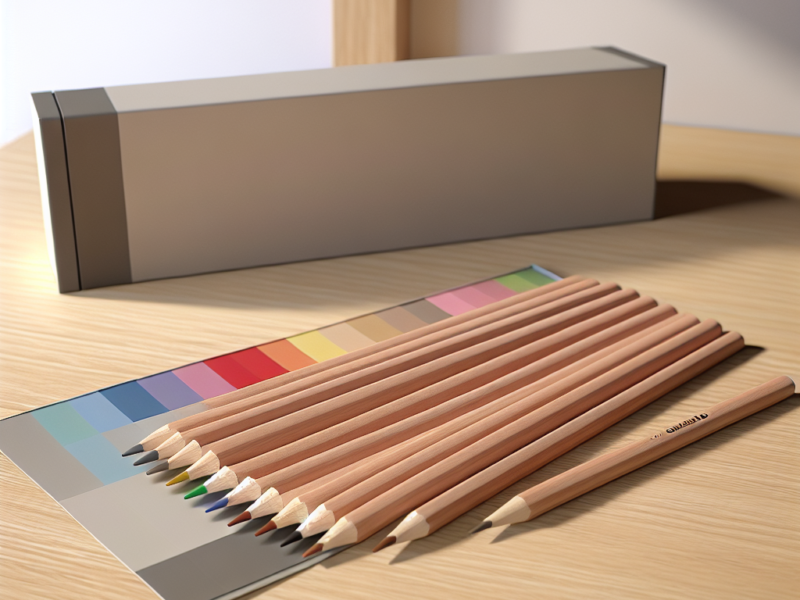
Import Oil-Based Colored Pencil from China Efficiently
Whether you’re an art supply retailer, an OEM brand developer, or a procurement manager for an educational distributor, knowing how to import oil-based colored pencil products from China efficiently can give you a competitive edge. China’s vast manufacturing ecosystem offers world-class quality at scale—but navigating suppliers, logistics, and customs requires strategy. This guide breaks down how to streamline your import process, reduce costs, and ensure consistent quality when you buy pencils from Chinese suppliers.
Why Choose Oil-Based Colored Pencils from China?
Oil-based colored pencils are favored for their smooth application, rich pigmentation, and durability, making them ideal for professional artists and hobbyists alike. China is home to some of the most advanced colored pencil manufacturers, offering OEM and ODM services at scale. These factories often hold certifications like ISO 9001, BSCI, and FSC, ensuring not only quality but also ethical and environmental compliance.
According to SYLOON’s 2025 guide, top-tier Chinese pencil manufacturers stand out for their advanced equipment, in-house R&D, and commitment to international standards. This makes China a strategic sourcing hub for businesses aiming to scale their product lines without compromising on quality.
Step-by-Step: How to Import Oil-Based Colored Pencils Efficiently
Efficient importation requires a structured approach. Below is a practical workflow to guide your procurement process:
| Step | Action | Purpose |
|---|---|---|
| 1 | Identify Reliable Suppliers | Ensure product quality and production capacity |
| 2 | Request Samples and Certifications | Verify performance, safety, and compliance |
| 3 | Negotiate Terms and Pricing | Secure favorable MOQ, lead times, and payment terms |
| 4 | Arrange Freight Forwarding | Optimize shipping costs and logistics |
| 5 | Prepare for Customs and Import Duties | Ensure smooth clearance and avoid delays |
Finding the Right Pencil Supplier in China
Not all suppliers are created equal. When sourcing oil-based colored pencils, prioritize manufacturers with:
- Experience in OEM/ODM services
- Certifications (ISO, FSC, EN71, ASTM D-4236)
- Consistent product quality and color fastness
- Transparent communication and QC processes
Building a relationship with your supplier is more than a formality—it’s a strategy. As noted in the Tonlexing guide on stationery imports, strong supplier relationships can lead to better negotiation leverage, faster lead times, and improved quality assurance. Make regular factory visits or hire third-party inspection firms to maintain standards.
Key Specifications to Consider
Before you buy pencils in bulk, define the technical specifications that match your target market. Here’s a breakdown of common oil-based pencil specs:
| Specification | Typical Range |
|---|---|
| Core Type | Oil-based wax blend |
| Core Diameter | 3.0 mm – 4.2 mm |
| Barrel Material | Basswood, Linden wood, or recycled paper |
| Barrel Shape | Round, hexagonal, or triangular |
| Color Range | 12 to 120 colors per set |
| Packaging | Tin box, paper sleeve, or custom OEM |
Managing Freight and Shipping Costs
Oil-based colored pencils may not be as bulky as giant-sized pencils, but when shipped in large volumes, freight costs can still be significant. As highlighted in Durzerd Pencil’s logistics guide, working with an experienced freight forwarder is essential.
Freight forwarders can:
- Consolidate shipments to reduce LCL costs
- Advise on optimal shipping methods (sea, air, rail)
- Handle documentation and customs paperwork
- Provide bonded warehouse options for delayed clearance
For smaller batches or urgent shipments, air freight may be viable. But for bulk orders, sea freight remains the most cost-effective. Always calculate landed cost per unit to determine profitability.
Understanding Import Duties and Fees
Taxes and import duties can significantly impact your bottom line. These costs vary by destination country and product classification (HS code). As explained in Mikirei’s import guide, importers should prepare for:
- Customs duties (based on product value and HS code)
- VAT/GST (especially in EU and UK markets)
- Brokerage or clearance fees
- Port handling and documentation charges
To avoid surprises, request a landed cost estimate from your freight forwarder before confirming your order. This ensures transparency in budgeting and pricing strategy.
OEM Branding and Customization Options
If you’re building your own brand, Chinese manufacturers offer extensive OEM services. You can customize:
- Barrel printing (logo, color code, or design)
- Packaging (eco-friendly, luxury, or retail-ready)
- Color combinations and theme sets
- Accessories (erasers, sharpeners, brush tips)
Minimum order quantities (MOQs) for OEM projects typically start at 3,000–5,000 sets depending on complexity. Be clear about your brand guidelines and request pre-production samples before mass production begins.
Common Pitfalls to Avoid
Importing from China is rewarding but not without risks. Here are some common mistakes and how to avoid them:
- Skipping sample validation: Always test samples for performance and safety compliance.
- Underestimating lead times: Factor in production, shipping, and customs delays.
- Ignoring compliance: Ensure products meet local regulations (e.g., EN71 for toys in Europe).
- Overlooking hidden fees: Include all logistics and import charges in your cost analysis.
Pros and Cons of Importing Oil-Based Colored Pencils from China
| Pros | Cons |
|---|---|
| Competitive pricing for high-quality products | Longer lead times compared to local sourcing |
| Wide range of customization and OEM services | Communication barriers with some suppliers |
| Access to certified, ethical manufacturing partners | Import duties and VAT can add to cost |
Final Thoughts: Build Long-Term Efficiency
To successfully import oil-based colored pencils from China, you need more than a good supplier—you need a system. By combining strategic sourcing, freight planning, compliance awareness, and cost tracking, you can build a sustainable supply chain that serves your business goals.
Start small, validate your partners, and scale with confidence. Whether you’re launching your own art brand or expanding a retail line, the efficiency of your import process can determine your success in a competitive market.
For deeper insights into freight strategy and supplier selection, explore Durzerd’s logistics guide or review Tonlexing’s import strategy resource.
Related Reading
- Everything About Colored Pencils Wholesale for B2B Buyers
- How to Source Colored Pencils Wholesale for South America
- How to Source Custom Logo Pencils for EU Buyers
- Best Private Label Pencil Orders for B2B Buyers
- Everything About OEM Pencil Manufacturing for Retail Chains
- Benefits of Custom Logo Pencils for Australia Importers
- Best OEM Pencil Manufacturing for Global Distributors
- Best OEM Pencil Manufacturing for Global Distributors