
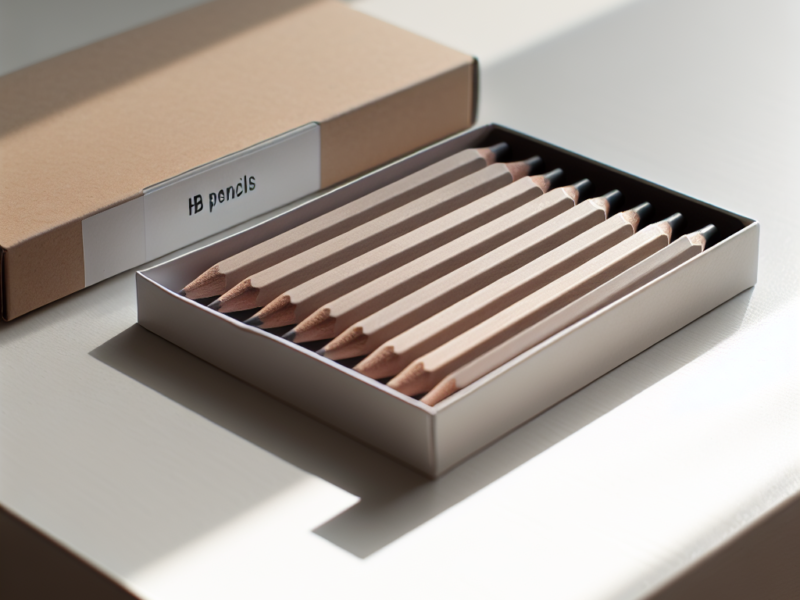
Import HB Pencil from China Guide for Buyers
If you’re a stationery retailer, school supply distributor, or office products wholesaler, sourcing HB pencils from China can be a smart business move. China remains the world’s largest pencil manufacturing hub, offering a wide range of product options, competitive pricing, and scalable production capacity. But importing pencils isn’t just about finding the lowest price — it’s about choosing the right pencil supplier, ensuring quality, and managing logistics efficiently.
This guide walks you through every step of how to buy pencils from China — from supplier selection to shipping and customs clearance — with practical insights drawn from industry sources and manufacturing best practices.
Why Import HB Pencils from China?
HB pencils are a staple across classrooms, offices, and art studios. Their balanced graphite-to-clay ratio makes them ideal for writing and light sketching. China dominates the global pencil market, producing billions of units annually thanks to its mature supply chain and cost-effective labor force.
Here’s why China is the go-to source for HB pencils:
- Economies of scale: Large factories reduce per-unit costs.
- Customization: Private label and OEM options are widely available.
- Material access: China is a major producer of cedarwood alternatives and graphite.
- Export experience: Suppliers often have years of international trade experience.
However, to benefit from these advantages, you need to navigate the import process strategically.
Step 1: Know What You’re Buying — HB Pencil Specifications
Not all HB pencils are created equal. Before contacting suppliers, define the exact specs you need. This ensures you get quotes for comparable products and avoid miscommunication.
| Feature | Options |
|---|---|
| Lead Core | Graphite-clay mix (HB grade) |
| Barrel Material | Wood (e.g., incense cedar, basswood), recycled paper, plastic |
| Shape | Hexagonal, round, triangular |
| Finish | Lacquered, natural wood, printed |
| Eraser | With ferrule and eraser, or without |
| Packaging | Bulk, blister packs, branded boxes |
Customizations like logo printing, packaging design, or eco-friendly materials may affect lead times and pricing, so clarify these upfront.
Step 2: Identify a Reliable Pencil Supplier
Finding a trustworthy supplier is the most critical step in your import journey. According to the comprehensive guides by Tonlexing and Mikirei, supplier vetting should go beyond price comparison.
Here’s how to vet potential suppliers:
- Factory audits: Request certifications (ISO, FSC) and ask for videos or factory tour options.
- Business license: Verify the supplier is registered with the Chinese government.
- Export experience: Look for suppliers with prior experience shipping to your country.
- Sample orders: Always test product quality before bulk purchases.
- References and reviews: Ask for client references or check trade platform feedback.
You can source suppliers via:
- Alibaba and Made-in-China.com
- Trade shows (e.g., Canton Fair, Paperworld China)
- Industry directories and sourcing agents
Step 3: Understand MOQ and Pricing Structures
Most Chinese pencil manufacturers operate with a minimum order quantity (MOQ), which can range from 5,000 to 100,000 units depending on the level of customization. Pricing is typically quoted as FOB (Free on Board), meaning it includes all costs up to the port of departure.
Here’s a basic cost breakdown for a standard HB pencil:
- Raw materials (wood, graphite, lacquer): $0.01–$0.03
- Labor and overhead: $0.01–$0.02
- Packaging: $0.005–$0.02
- Total FOB price per pencil: $0.02–$0.05
Custom pencils or eco-friendly variants may cost more. Always request a detailed quotation sheet and clarify what’s included.
Step 4: Quality Control and Compliance
Quality assurance is non-negotiable. A single batch of defective pencils can damage your brand reputation or cause regulatory issues in your market.
Best practices include:
- Pre-production samples: Test for graphite smoothness, break resistance, and finish quality.
- In-line inspections: Hire third-party QC teams to spot defects during production.
- Final random inspections: Ensure packaging, labeling, and count accuracy.
Also ensure your pencils comply with local safety standards, such as EN71 (EU) or ASTM D4236 (USA). Ask suppliers for MSDS and test reports.
Step 5: Choose the Right Shipping Method
Shipping costs and timelines can significantly impact your margins. The Mikirei guide emphasizes the importance of aligning shipping methods with order size and urgency.
Here’s a quick comparison:
| Method | Best For | Timeline | Cost |
|---|---|---|---|
| Air Freight | Small urgent orders | 5–10 days | High |
| Sea Freight (FCL) | Large full-container orders | 25–45 days | Low |
| Sea Freight (LCL) | Mid-size orders | 30–50 days | Moderate |
| Courier (DHL, FedEx) | Samples | 3–7 days | Very High |
Factor in destination port fees, customs clearance, and local delivery when budgeting.
Step 6: Navigate Customs and Import Duties
Every country has its own import regulations. Work with a freight forwarder or customs broker to ensure all paperwork is in order. Typical documents include:
- Commercial invoice
- Packing list
- Bill of lading or airway bill
- Certificate of origin
- Product safety certifications
HS Code for wooden HB pencils is typically 96091010. Check your country’s tariff rate and import restrictions using a customs duty calculator or trade portal.
Step 7: Build Long-Term Supplier Relationships
According to Tonlexing, nurturing a strong supplier relationship can lead to better pricing, priority production slots, and improved service. Treat your supplier as a partner, not just a vendor.
Ways to build trust include:
- Clear communication and timely payments
- Annual visits or video calls
- Sharing market feedback to improve products
- Placing consistent, forecasted orders
Over time, your supplier may offer exclusive models, flexible MOQs, or even joint product development opportunities.
Final Thoughts: Is Importing HB Pencils from China Right for You?
Importing pencils from China offers clear advantages in terms of cost, customization, and supply capacity. But success depends on doing your homework — from supplier vetting to quality control and logistics planning. If you’re ready to scale your stationery business or launch a private label pencil line, China is a powerful sourcing destination.
By following the steps outlined in this guide, and leveraging insights from expert resources like Durzerd Pencil, you can make informed decisions that minimize risk and maximize value.
Whether you’re ordering your first container or expanding your product range, a strategic approach to sourcing will help you build a resilient, profitable pencil supply chain.
Related Reading
- Everything About HB Pencils in Bulk for Australia Importers
- Ultimate Buyer Guide for HB Pencils in Bulk for Global Distributors
- How to Choose HB Pencils in Bulk for South America
- Guide to HB Pencils in Bulk for Brand Owners
- Best OEM Pencil Manufacturing for B2B Buyers
- What Importers Should Know About Carpenter Pencils Supplier for Brand Owners
- Everything About FSC Certified Pencils for Global Distributors