
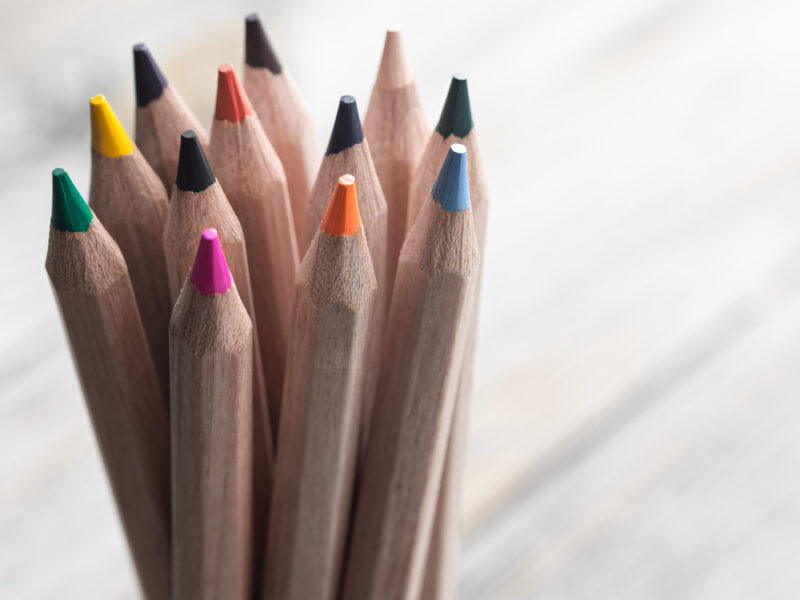
Custom pencil packaging development involves a series of design and manufacturing processes tailored to meet specific consumer and brand requirements. It begins with designing the pencil, often using customer-supplied artwork or design files, which are converted into dye stamps for customization. This is followed by the creation of custom pencil boxes, where various styles and printing techniques such as spot UV, embossing, and stamp foiling are applied to create attractive and expressive packaging. The choice of packaging materials and techniques is crucial as they are instrumental in drawing customer attraction and fulfilling marketing strategies. Throughout these steps, collaboration between designers, manufacturers, and clients ensures the final product aligns with branding and aesthetic goals.
Understanding Custom Pencil Packaging Development
Custom pencil packaging is an essential aspect of product differentiation in pencil manufacturing, aiding in brand recognition and consumer appeal. This process involves several distinct stages, each contributing to the overall look and function of the final product.
Designing the Custom Pencil
The initial phase of custom pencil packaging development focuses on designing the pencil itself. Custom imprints are fundamental here, achieved by utilizing design files provided by the customers. These files are translated into dye stamps, which are then used to imprint the pencil with unique designs or logos. This stage requires precision as it sets the tone for the entire packaging by reflecting the brand’s identity directly onto the pencil.
Crafting the Pencil Packaging
Once the pencil is designed, attention shifts to the packaging. The design of custom pencil boxes is crucial as these boxes serve not only as protection for the pencils but also as marketing tools. Packaging styles may vary significantly, offering choices from simple box designs to elaborate styles featuring enhanced artistic elements.
| Packaging Style | Description |
|---|---|
| Basic Box | Simple, cost-effective packaging without additional embellishments. |
| Display Box | Designed for showcasing pencils, often used in retail settings. |
| Gift Box | Elegant and stylish packaging used for special editions or promotional items. |
Printing Methods Used in Packaging
Various printing techniques enhance the appeal of custom pencil boxes. Each method has distinct benefits that can be leveraged to meet branding needs:
| Printing Technique | Benefits |
|---|---|
| Spot UV | Provides a glossy finish on specific areas, enhancing visual and tactile appeal. |
| Stamp Foiling | Adds metallic effects, giving a luxurious appearance to the packaging. |
| Embossing | Creates raised designs that add depth and texture. |
| Debossing | Impresses designs into the material, offering a subtle, sophisticated look. |
Clarifications and Limitations
While the integration of various design and printing techniques enhances packaging appeal, certain limitations must be acknowledged. Not all techniques are suitable for every material or style, and careful consideration must be given to ensure compatibility. Moreover, while packaging is an essential component of brand strategy, it is generally part of a broader marketing effort rather than a standalone solution. The effectiveness of custom packaging in attracting customers often depends on its alignment with overall brand positioning and target demographics.
Integrating Design and Brand Strategy
Custom pencil packaging serves as more than just a protective covering; it is an extension of the brand itself. Well-designed packaging communicates quality, attention to detail, and brand values. Effective custom packaging integrates visually appealing designs with practical functionality to improve customer interaction with the product. The strategic use of design elements and materials can significantly influence consumer perception, making packaging a critical factor in successful product marketing. Understanding the impact of each design choice allows manufacturers to better cater to diverse market needs, ultimately enhancing the consumer experience and brand attachment.
In conclusion, the development of custom pencil packaging is a multifaceted process that combines artistry, branding, and manufacturing expertise. By carefully considering design elements, material choices, and printing methods, manufacturers can create packaging that is not only functional but also visually appealing and engaging for the consumer. This meticulous approach ensures that the final product effectively represents the brand while meeting consumer expectations.