
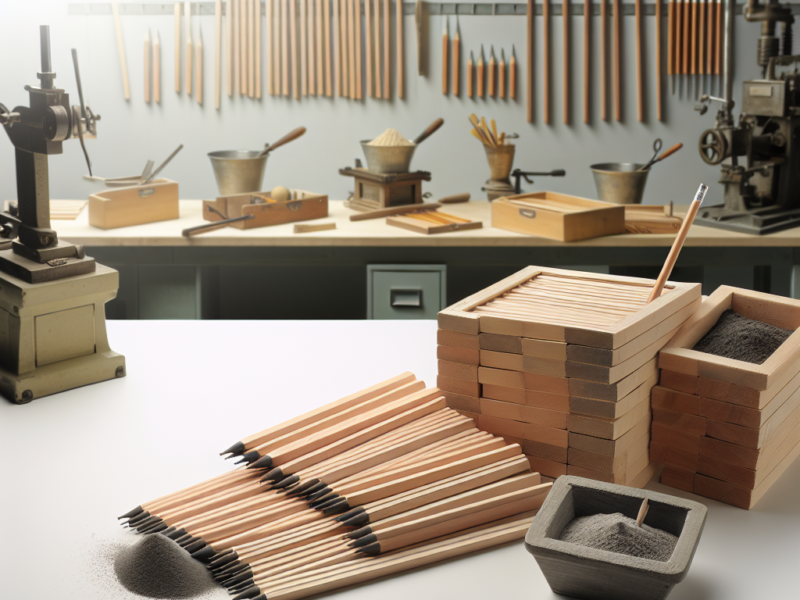
Understanding OEM Pencil Manufacturing
Original Equipment Manufacturer (OEM) pencil manufacturing involves multiple intricate steps that transform raw materials into functional writing tools. This process encompasses careful selection of materials, precise manufacturing steps, and potentially, an adherence to traditional craftsmanship techniques. This article delves into each stage of the manufacturing process, highlighting crucial aspects that define pencil quality.
Starting with Raw Materials: Wood Panel Sourcing
The journey of pencil manufacturing commences with the procurement of pre-cut wood panels. This step is fundamental to ensuring efficiency in the production process. The choice of wood, its quality, and preliminary cutting play a pivotal role in how smoothly the manufacturing process will proceed. Sourcing pre-cut wood panels prepares manufacturers for the subsequent steps in pencil production, significantly affecting the overall quality and cost-effectiveness of the process.
Efficiency at this stage bears substantial influence on the final product’s quality and the speed of production. Manufacturers prioritize sourcing wood that is easy to work with, resistant to cracking, and environmentally sustainable. These considerations are important as they contribute to both the durability of the pencils and the sustainability of production practices.
Manufacturing the Core: Transforming Graphite
Another essential component of pencil manufacturing is the production of the core, typically made from a mixture of finely ground graphite, clay, and other materials. The initial step involves grinding the raw graphite into a fine powder, ensuring a uniform consistency that is crucial for creating a functional writing core.
Subsequently, this finely ground graphite is blended with clay to form a paste. The ratio of graphite to clay can influence the hardness and shade of the pencil lead, affecting its quality and suitability for different tasks. Further processing is required to transform this paste into solid cores, ready for insertion into the wood casing. However, specific details about subsequent processes are scarce, requiring insight into other manufacturing narratives to fill gaps in understanding about complete core solidification.
The Role of Traditional Craftsmanship
In some cases, especially among high-end pencil producers, traditional craftsmanship plays a significant role in the manufacturing process. These manufacturers may use refined tools and techniques honed over years to produce pencils that uphold a standard of quality that is often associated with artistic craftsmanship. This involves a deep understanding of materials and processes and may contribute to maintaining certain heritage techniques within contemporary pencil manufacturing.
Although this craftsmanship may not impact all OEM pencil production, it is key for niche markets where quality, heritage, and aesthetics are valued as much as functionality. The precise impact of these techniques on manufacturing efficiency and product quality may vary but generally contributes to a premium positioning of the product in the market.
Material Selection and Processing Conditions
Selecting the right materials and optimizing processing conditions are vital for producing high-quality pencils. Material selection influences not just the physical characteristics of the pencil but also environmental and economic factors. Wood types, graphite quality, and other materials are chosen based on their properties and ease of use within the production process.
Processing conditions, such as heat, pressure, and chemical additives, additionally play a significant role in defining the quality of the pencil. Adjusting these conditions can tailor the hardness, color depth, and overall usability of the pencils. These factors, while not detailed in every narrative, are generally acknowledged as critical in bridging material selection and actual production practices.
Marketing Implications and Quality Control
The OEM pencil manufacturing process is not only about creating writing tools but also about ensuring consistency in quality to sustain market competitiveness. Quality control measures are typically integrated throughout the manufacturing process to check for defects and inconsistencies. These methodologies ensure end products meet the expected quality standards, contributing to customer satisfaction and brand reputation.
Environmental standards may also guide the production process, especially pertinent in global markets focused on sustainable practices. Though specifics of such compliance aren’t thoroughly detailed, the industry’s movement toward sustainable practices is significant, reflecting broader environmental concerns and consumer expectations.
Conclusion: The Dynamic Complexity of Pencil Manufacturing
OEM pencil manufacturing represents a blend of art and science, marrying traditional craftsmanship with modern production techniques and efficiency considerations. From the initial sourcing of quality raw materials to the refined details of craftsmanship and processing conditions, each step is carefully orchestrated to create a product that meets both functional and aesthetic requirements. While some elements remain less defined, the core understanding revolves around precision in manufacturing practices and quality control.
Overall, the detailed steps and considerations in pencil manufacturing drive home the significance of each phase in transforming simple materials into essential everyday tools. Each pencil heralds this complex journey, exemplifying human ingenuity in crafting utilitarian beauty from natural resources.