
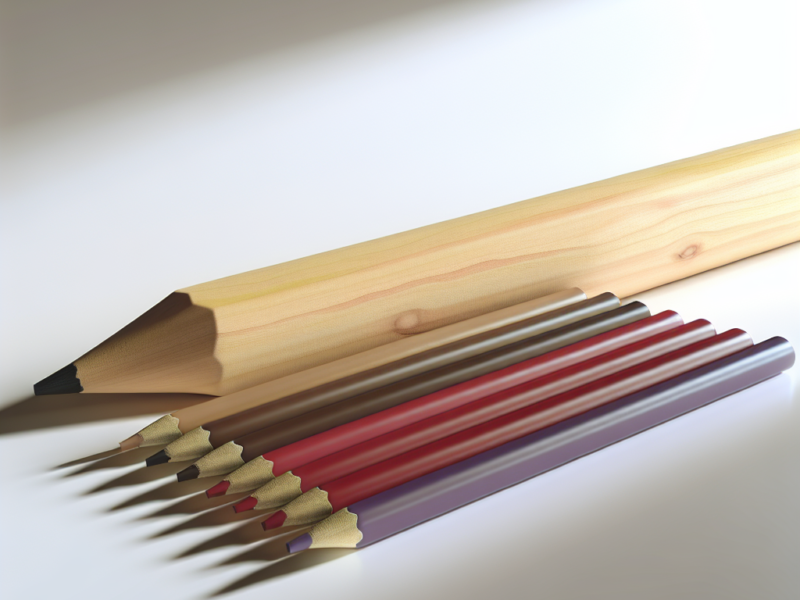
Giant Size Pencil vs Standard Pencils Comparison Guide
From classroom desks to art studios, pencils remain an essential tool across industries. But not all pencils are created equal. While standard pencils are the go-to for everyday writing and sketching, the giant size pencil has carved out a niche of its own—both literally and figuratively. Whether you’re sourcing from a pencil supplier or just curious about oversized stationery, understanding the distinctions between pencil sizes is key to choosing the right tool for the job.
Understanding Pencil Sizes: Why It Matters
At first glance, pencil size might seem like a novelty detail. But in manufacturing and application, size plays a crucial role. Standard pencils typically measure around 7.5 inches in length and 7 mm in diameter. These dimensions are optimized for comfort, control, and mass production. In contrast, giant pencils—often exceeding 12 inches in length and boasting diameters of 10 mm or more—are designed for visibility, grip, and visual impact.
The size of a pencil directly affects its usability, especially for different age groups or specialized tasks. For example, children and individuals with motor difficulties often benefit from thicker, easier-to-grasp pencils. On the other hand, artists might prefer chunkier graphite cores for bold strokes and shading.
As noted in the Honeyoung Pencil size guide, even subtle changes in pencil dimension can dramatically shift user experience. The guide emphasizes how oversized pencils are not only functional but also serve aesthetic and ergonomic purposes in various industries.
Key Differences Between Giant and Standard Pencils
Let’s break down the main areas where giant size pencils diverge from their standard counterparts:
- Dimensions: Giant pencils are physically larger in every way—length, diameter, and often graphite core size. This makes them more visible and easier to grip.
- Material Composition: While both types use similar raw materials (wood casing, graphite or clay cores, lacquer finishes), giant pencils may require reinforced wood or synthetic casings to maintain structural integrity.
- Functionality: Standard pencils are optimized for writing and sketching. Giant pencils are often used for promotional events, educational tools, or artistic displays—but many are still fully functional.
- Sharpening and Maintenance: Due to their size, giant pencils require special sharpeners or manual whittling. Standard pencils use common handheld or electric sharpeners.
These differences influence not only how the pencil is used, but also how it is manufactured, packaged, and distributed.
Use Cases: Where Each Pencil Shines
The right pencil depends on the task. Here’s how each type fits into different environments:
Standard Pencils: Everyday Utility
Standard pencils are ubiquitous in offices, schools, and homes. Their balanced size makes them ideal for:
- Note-taking and writing
- Technical drawing and drafting
- Standardized testing (e.g., 2B or HB pencils)
- Fine art sketching with precision
They’re also the most cost-effective choice when buying in bulk from a pencil supplier for institutional use. With consistent dimensions, they’re compatible with automated sharpening and packaging systems—an important factor in large-scale distribution.
Giant Size Pencils: Visual Impact and Accessibility
While often seen as novelty items, giant pencils serve real functions:
- Educational tools: Younger children learning to write benefit from thicker grips, which help build motor skills.
- Promotional events: Giant pencils are eye-catching props for brand activations, trade shows, and giveaways.
- Artistic applications: Artists use oversized graphite cores for expressive, bold lines and large-scale sketches.
- Accessibility: Individuals with arthritis or limited dexterity may find larger pencils easier to hold and control.
In essence, the giant size pencil bridges function and form. While it may not replace the standard pencil for everyday writing, it excels in specialized contexts where visibility, grip, or dramatic flair is needed.
Manufacturing Considerations: Scaling Up
From a production standpoint, giant pencils pose unique challenges. Manufacturers must adapt their machinery and raw material sourcing to accommodate non-standard dimensions. This includes:
- Custom molds and dies: For shaping larger wood casings and graphite cores.
- Reinforced materials: To prevent breakage due to increased size and weight.
- Packaging solutions: Oversized pencils require custom packaging, which can impact shipping costs and shelf space.
OEM and private-label pencil manufacturers often offer customization options for size, color, and branding. If you’re looking to buy pencils in bulk, especially for promotional or educational purposes, working with a supplier that understands these nuances is essential.
For a deeper look into pencil production processes, Honeyoung Pencil offers insight into how design choices affect manufacturing scalability and end-user experience.
Buying Tips: Choosing the Right Pencil for Your Needs
If you’re in the market to buy pencils, consider the following before placing an order:
1. Define the End Use
Are you purchasing pencils for a classroom, an art studio, or a trade show? Standard pencils are best for writing and drawing, while giant pencils are more suited for displays, young learners, or accessibility purposes.
2. Check Compatibility
Ensure your sharpener or pencil accessories (like grips or extenders) match the pencil size. Giant pencils often require specialized tools.
3. Evaluate Bulk Sourcing Options
When sourcing from a pencil supplier, ask about minimum order quantities, customization, and lead times. Suppliers with flexible OEM capabilities can tailor the size, color, and branding to your specific needs.
4. Consider Ergonomics
For users with grip challenges or children just learning to write, oversized pencils can greatly improve comfort and control. Some suppliers even offer triangular or hexagonal bodies for better grip dynamics.
Environmental and Sustainability Factors
Both standard and giant pencils can be made sustainably, but the environmental impact scales with size. Larger pencils use more wood, graphite, and packaging materials. If sustainability is a priority, opt for FSC-certified wood and eco-friendly finishes. Some manufacturers also offer recycled or biodegradable options.
For example, brands focusing on sustainable stationery often disclose their sourcing and production practices, helping buyers make informed decisions. Look for certifications and ask your supplier about their environmental policies.
Final Thoughts: Form Meets Function
While standard pencils remain the backbone of writing and drawing tools, the giant size pencil brings a unique blend of functionality and flair. Whether used as a practical aid or a promotional centerpiece, its oversized design meets a distinct set of needs that standard pencils can’t always fulfill.
Understanding the differences—from design to distribution—helps educators, artists, and businesses choose the right pencil for the right purpose. And when working with a trusted pencil supplier, you can ensure that quality, customization, and usability are never compromised—no matter the size.
Looking to explore more about pencil types and their applications? Visit this comprehensive guide on pencil sizes for further reading.