
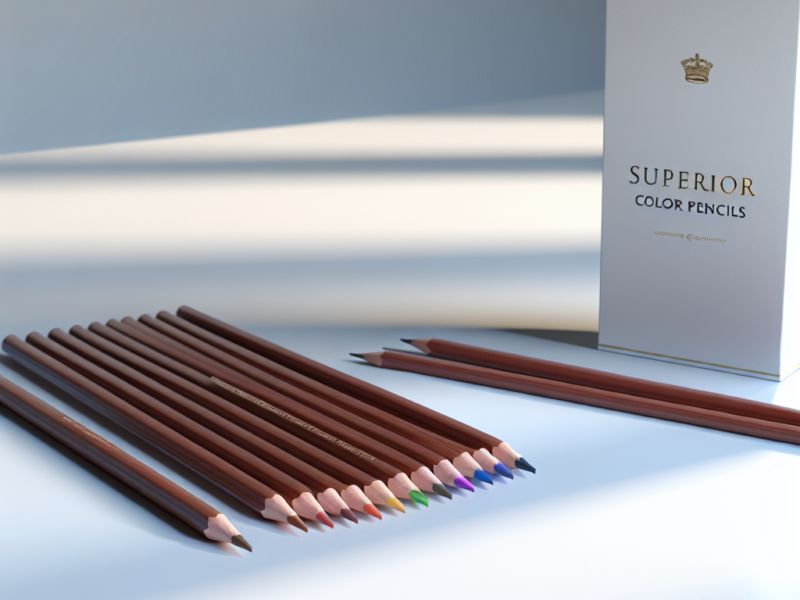
In the world of premium stationery and custom branding, foil stamping pencils stand out as a sleek and sophisticated option. Whether you’re a manufacturer, a brand looking to elevate your promotional products, or a designer focused on aesthetics, foil stamping offers a unique blend of visual appeal and tactile quality. But like any production technique, it comes with its own set of advantages and drawbacks.
This article breaks down the real-world pros and cons of foil stamping on pencils, drawing from industry experience, technical insights, and best practices in manufacturing. If you’re considering incorporating foil stamping into your product line or simply want to understand the process better, read on.
What Is Foil Stamping on Pencils?
Foil stamping is a process that uses heat, pressure, and a metallic or pigmented foil to imprint designs onto a surface. In the case of pencils, this typically involves stamping a logo, brand name, or decorative text onto the barrel of the pencil using a hot stamping machine.
The result is a shiny, often metallic imprint that stands out against the pencil’s lacquered or natural wood surface. This method is widely used in both mass production and boutique pencil customization because of its durability and premium appearance.
Why Use Foil Stamping for Pencils?
Foil stamping is more than just an aesthetic choice. It offers practical benefits for both manufacturers and end-users. From a branding perspective, it helps products look more polished and professional. From a technical standpoint, it creates a highly durable mark that resists wear better than ink printing or screen printing.
Let’s explore the pros and cons in detail.
Advantages of Foil Stamping Pencils
When executed correctly, foil stamping can significantly enhance the value and appeal of a pencil product. Here’s why many manufacturers and designers choose this method:
- Premium Aesthetic: The metallic sheen of foil—especially gold, silver, or holographic—adds a luxurious finish that ink simply can’t replicate.
- Durability: According to Kestrel Montes, heat foil stamping creates a permanent bond with the substrate, making it resistant to rubbing and scratching—ideal for items like pencils that are frequently handled.
- Brand Differentiation: For companies using pencils as promotional tools, foil stamping offers a way to stand out with a tactile, high-end feel.
- Versatile Design Options: Foils come in a wide range of colors, finishes (matte, gloss, metallic), and patterns, allowing for creative freedom in design.
- Eco-Friendly Potential: Unlike ink-based methods that may use solvents, foil stamping doesn’t require drying chemicals, and many foils today are recyclable.
Disadvantages and Challenges of Foil Stamping
Despite its benefits, foil stamping is not without its challenges—especially in pencil manufacturing, where precision is critical.
- High Setup Sensitivity: The stamping process relies on three variables—temperature, pressure, and dwell time. Misalignment of any of these can lead to poor adhesion, smudging, or incomplete transfers. This is discussed in depth in Jinglin Machine’s guide.
- Material Limitations: Not all pencil lacquers or wood finishes accept foil equally. Some surfaces may repel the foil or cause it to flake over time.
- Higher Initial Cost: The machinery and dies required for hot stamping are more expensive than screen or pad printing, especially for small batches.
- Limited to Flat or Slightly Curved Surfaces: Since foil stamping requires direct contact, it’s best suited for flat or gently rounded pencil barrels. Deep curves or textured surfaces may not stamp evenly.
Foil Stamping vs. Other Pencil Marking Methods
To better understand where foil stamping fits in the manufacturing landscape, here’s a quick comparison with other common marking techniques:
| Method | Appearance | Durability | Cost Efficiency | Best Use Case |
|---|---|---|---|---|
| Foil Stamping | Shiny, metallic, high-end | High | Moderate (higher setup) | Luxury branding, promotional items |
| Screen Printing | Flat, color-rich | Moderate | High (low setup cost) | Bulk production, colorful designs |
| Pad Printing | Fine detail, limited color | Low to moderate | High (for small items) | Complex logos, small batches |
| Laser Engraving | Natural, etched look | Very high | Moderate | Eco brands, rustic appeal |
Common Foil Stamping Issues in Pencil Production
Manufacturers often encounter specific problems when stamping pencils. These issues typically stem from the delicate balance between heat, pressure, and timing. Here are some examples and how to address them:
- Foil Not Transferring: This often indicates insufficient temperature or pressure. Increasing heat or adjusting the dwell time usually resolves the issue.
- Blurry or Smudged Imprint: Too much pressure or too long a dwell time can cause the foil to spread beyond the intended area. Fine-tuning is essential.
- Uneven Coverage: If the pencil surface isn’t flat or the die isn’t aligned properly, certain areas may not receive enough contact to transfer the foil.
For a deeper dive into troubleshooting, Jinglin Machine’s blog offers an excellent technical guide for professionals working with hot foil stamping equipment.
Material Considerations: What Works Best?
Not all pencils are created equal when it comes to foil stamping. The following materials tend to yield the best results:
- Hardwood Barrels: Cedar and basswood are ideal because they provide a stable, smooth surface for stamping.
- Glossy Lacquers: A smooth lacquer finish helps the foil adhere cleanly and enhances the metallic shine.
- Flat or Hexagonal Shapes: These allow for better die contact and more consistent results compared to round pencils.
On the other hand, textured finishes, soft woods, or rubberized coatings can complicate the process and reduce foil adhesion.
Design Tips for Effective Foil Stamping
To maximize the impact of foil stamping on pencils, consider these expert design tips:
- Keep It Simple: Thin lines and small text may not transfer well. Use bold, clean fonts and well-defined logos.
- Avoid Overlapping Colors: Foil stamping is typically a single-layer process. If you need multiple colors, consider separate passes or different methods.
- Mind the Die Tolerance: Ensure your design accounts for slight shifts in alignment. Avoid elements that require perfect registration.
Is Foil Stamping Worth the Investment?
From a business standpoint, foil stamping is a smart investment for brands that prioritize presentation and durability. According to Epack Printing, foil stamping enhances the perceived value of a product, making it more appealing to consumers and more effective for brand differentiation.
While the upfront equipment costs and setup time are higher, the long-term benefits in terms of product quality, customer satisfaction, and brand prestige often outweigh the initial investment—especially for luxury or promotional product lines.
Final Thoughts: Choosing the Right Method for Your Pencil Line
Foil stamping pencils offers a compelling blend of style, durability, and market appeal. It’s ideal for premium branding, special editions, and products where visual impact matters. However, it also demands precision in setup and careful material selection.
If you’re a manufacturer or brand looking to elevate your product offerings, foil stamping is worth serious consideration. Just be sure to weigh the technical and financial requirements against your production goals.
For more technical advice on foil stamping equipment and process optimization, check out this comprehensive guide from Jinglin Machine.
Related Reading
- Top Pencil OEM Customization Options Explained
- Boost Branding with Heat Transfer Pencils OEM Solutions
- UV Printing Pencils OEM for Premium Custom Branding
- Pencil Printing OEM Techniques for Logo Branding
- OEM Artwork Guidelines for Pencil Design Specs
- PMS Color Matching Pencils for Custom Brand Accuracy
- Hexagonal and Triangular Pencil OEM Customization Guide