
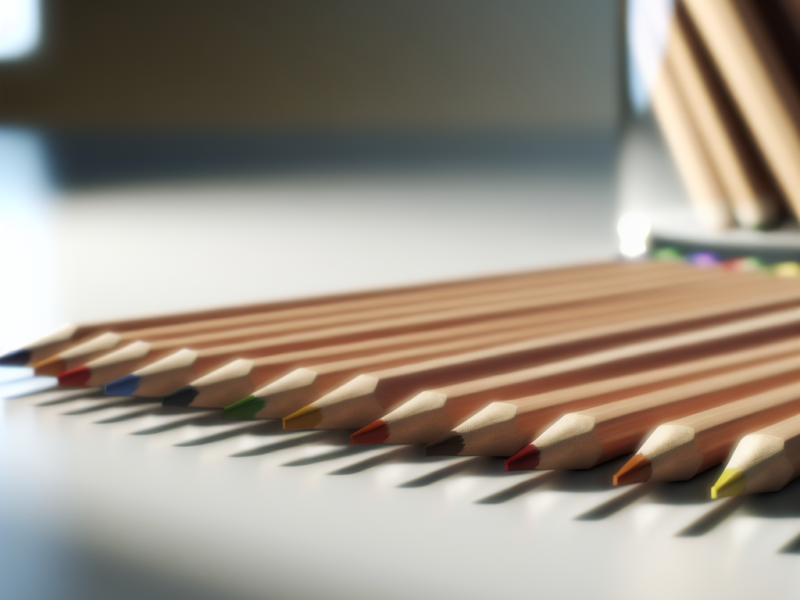
Drawing Pencil Types and How to Buy Smart
Whether you’re sketching your first still life or sourcing materials for an art classroom, understanding the different drawing pencil types can make a major difference in results and cost. Pencils may look simple, but the science behind their composition—and the strategy behind purchasing them—can be surprisingly complex. In this guide, we’ll walk you through the key types of drawing pencils, how they’re made, and what to consider when you buy pencils from a trusted pencil supplier.
Why Pencil Type Matters in Drawing
Graphite pencils are the backbone of drawing. They’re used for gesture sketches, architectural drafting, photorealistic portraits, and everything in between. But not all drawing pencils are created equal. The difference between a 2H and a 6B pencil isn’t just about how dark the line looks—it’s also about how the graphite interacts with paper, how easily it smudges, and how much control the artist has.
The core of a drawing pencil is typically a blend of graphite and clay. The ratio between these two materials determines the hardness or softness of the pencil. More clay means a harder pencil that produces lighter lines. More graphite results in a softer pencil that lays down darker, richer marks. This grading system is fundamental to choosing the right tool for your drawing style.
According to Toad Hollow Studio’s beginner guide, understanding this composition is essential for artists who want to control shading, texture, and detail in their work. It’s also a key factor in evaluating pencil quality across different brands and suppliers.
Understanding the Graphite Grading Scale
Most drawing pencils are graded on the European HB scale, which ranges from 9H (hardest) to 9B (softest), with HB sitting near the middle. Here’s a quick breakdown:
- H pencils (Hard): Ideal for technical drawing, fine lines, and light sketching. Less smudging, more control.
- B pencils (Black): Softer and darker, great for shading, expressive lines, and blending.
- HB/F pencils: Balanced between hard and soft, often used for writing or general-purpose sketching.
Artists often use a range of pencils in a single drawing, starting with hard pencils for layout and moving to softer grades for shading. Understanding this scale allows you to build a versatile toolkit tailored to your drawing needs.
Types of Drawing Pencils: Beyond Graphite
While graphite pencils dominate most studios, other types of drawing pencils offer unique effects and applications:
- Charcoal pencils: Rich, deep blacks with a velvety texture. Excellent for dramatic shading and expressive work.
- Colored pencils: Wax- or oil-based pigments for color layering and blending. Used in both fine art and illustration.
- Mechanical pencils: Consistent line widths and refillable leads. Preferred in drafting and precision drawing.
- Watercolor pencils: Pigments that dissolve with water, allowing for hybrid drawing and painting techniques.
Each type has its own manufacturing process and material composition, which affects performance and price. For example, charcoal pencils require a different kiln-firing method than graphite, and high-end colored pencils use lightfast pigments that resist fading over time.
What to Look for When Buying Drawing Pencils
Whether you’re buying for personal use or stocking up for a studio or school, smart purchasing starts with understanding quality indicators. Here are the top factors to consider when you buy pencils from a pencil supplier:
1. Core Quality and Consistency
A good drawing pencil should have a centered, unbroken core that sharpens cleanly without crumbling. Inconsistent graphite density can lead to uneven lines and frustrating breakage. Reputable manufacturers conduct strict quality control during the extrusion and drying stages to ensure uniformity.
2. Wood Casing and Sharpening
The best drawing pencils use cedar or basswood casings, which sharpen smoothly without splintering. Poor-quality wood can damage sharpeners and waste material. If you’re sourcing large volumes, ask your supplier about the wood origin and sustainability practices.
3. Grading Accuracy
Not all HB pencils are created equal. Some brands label their pencils inconsistently, especially in lower-cost imports. If you’re buying in bulk, request samples to test grading accuracy, especially if you’re mixing brands or reselling under private label.
4. Packaging and Storage
Professional-grade pencils are often packaged in protective tins or boxes to prevent breakage. If you’re a retailer or educator, look for suppliers that offer bulk packaging with clear labeling and durable cases.
Buying Smart: Tips for Artists, Educators, and Retailers
When purchasing drawing pencils, your buying strategy should reflect your role and usage needs. Here’s how to buy smart based on your situation:
For Individual Artists
Start with a mixed-grade set (e.g., 6B to 4H) to explore different effects. Invest in a few premium brands to compare feel and performance. If you draw frequently, consider open stock options so you can replace only the grades you use most.
For Art Teachers and Schools
Durability and consistency are key. Choose mid-grade pencils that balance cost and quality. Work with a supplier who can provide educational discounts and bulk packaging. Avoid extremely soft grades (like 8B) for classroom use—they break easily and smudge more.
For Retailers and Distributors
Look for OEM pencil manufacturers with private-label options. Quality assurance, packaging flexibility, and shipping reliability are critical. Ask about lead times, minimum order quantities, and compliance with safety standards like ASTM D4236 or EN 71.
For more on OEM sourcing and quality control, check out this OEM pencil manufacturing guide.
Recommended Brands and Where to Buy
Some of the most trusted drawing pencil brands include Faber-Castell, Staedtler, Derwent, Tombow, and Mitsubishi. These companies maintain strict quality standards and offer a wide range of hardness grades. However, many artists also find excellent value in lesser-known brands from reliable suppliers.
If you’re buying in bulk or considering private label, it’s worth exploring direct factory options. Manufacturers in countries like Germany, Japan, and China offer OEM services that allow you to customize branding, packaging, and even pencil composition. Just be sure to vet your supplier carefully—ask for product samples, quality certifications, and references.
To explore more about drawing tool basics, including erasers and blenders that complement your pencils, visit this helpful primer from Toad Hollow Studio.
Final Thoughts: Drawing with Confidence
Choosing the right drawing pencil isn’t just about brand or price—it’s about understanding the tools of your craft and sourcing them wisely. From pencil grading to manufacturing quality, every detail affects your drawing experience. Whether you’re an independent artist or a large-scale buyer, investing time in learning about pencil types and buying strategies will pay off in smoother lines, better shading, and fewer broken leads.
So next time you pick up a pencil, think beyond the tip. Think about the materials, the maker, and the method—and draw smart.