
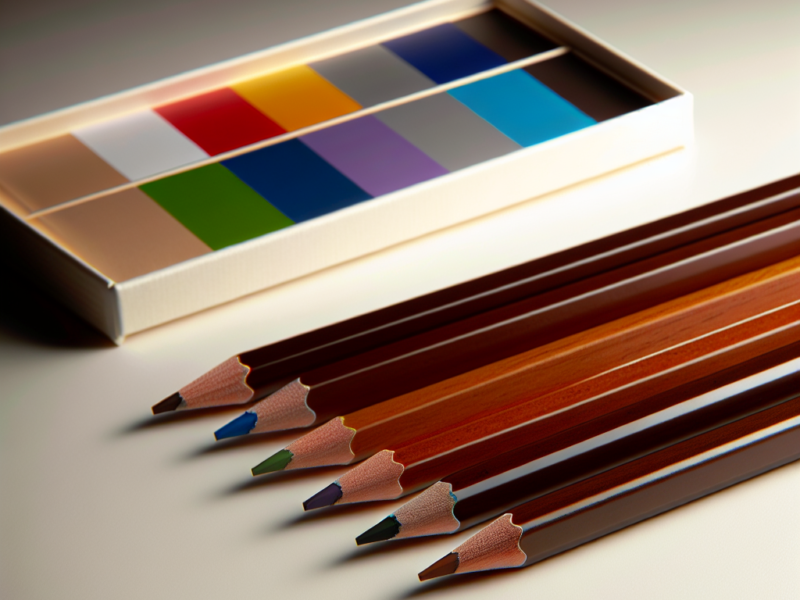
What Are Drawing Pencil Grades?
Pencil grades refer to the hardness or softness of the graphite core, which directly affects the darkness and texture of the mark it leaves. Grades range from the hardest (9H) to the softest (9B), with HB sitting right in the middle. These grades are not arbitrary — they’re essential tools for artists seeking control over tone, contrast, and detail.
The grading system is generally divided into three categories:
- H (Hard): Light, fine lines. Ideal for technical drawing and fine detailing.
- B (Black/Soft): Dark, rich lines. Best for shading and expressive sketching.
- HB/F: Balanced. Commonly used for general writing and sketching.
Understanding this scale helps artists create depth and texture, while buyers can better match products to their customer base or personal needs.
Breaking Down the Pencil Grade Spectrum
Let’s take a closer look at what each grade offers. This spectrum is based on industry standards and insights from sources like Mont Marte and Toad Hollow Studio.
| Grade | Hardness | Best For | Line Quality |
|---|---|---|---|
| 9H – 5H | Very Hard | Architectural drawing, technical sketches | Very light, precise |
| 4H – H | Hard | Initial sketching, fine lines | Light, clean |
| F, HB | Medium | General writing, base sketching | Balanced, moderate darkness |
| B – 4B | Soft | Shading, expressive strokes | Dark, smooth |
| 5B – 9B | Very Soft | Deep shadows, bold textures | Very dark, rich |
How Artists Use Different Pencil Grades
From initial outlines to final shading, artists often use a range of pencil grades in a single piece. According to Plaid Online, this technique allows for greater tonal variation and detail control.
Here’s how artists typically incorporate different grades into their workflow:
- Sketching the Outline: Use H or 2H pencils for light, erasable lines.
- Building Midtones: Switch to HB or B for balanced shading and form.
- Adding Shadows: Use 4B to 6B for deeper contrast and shadowing.
- Final Touches: 7B to 9B pencils add dramatic depth and texture.
Mastering this workflow is key to producing professional-quality drawings with depth and clarity.
Pros and Cons of Hard vs. Soft Pencils
Choosing the right pencil grade depends on your artistic goals and drawing style. Here’s a quick breakdown:
| Type | Pros | Cons |
|---|---|---|
| Hard (H) |
|
|
| Soft (B) |
|
|
HB and F: The Versatile Middle Ground
HB pencils are the go-to choice for many artists and writers. They provide a balanced graphite composition — not too hard, not too soft. The F grade, while less common, offers a fine point ideal for precision work that still needs a bit of softness.
According to Crystal’s guide on Medium, these middle grades are particularly useful for beginners who are still developing their technique and need a forgiving tool.
How to Choose the Right Pencil for Your Needs
Whether you’re an artist or a buyer looking to stock up, here are key considerations when selecting drawing pencils:
- Purpose: Are you sketching, shading, or writing?
- Skill Level: Beginners benefit from HB/B pencils; professionals often use full sets.
- Paper Type: Softer pencils work better on textured paper; harder pencils suit smooth surfaces.
- Budget: Higher-quality pencils offer better control and consistency but may cost more.
For those looking to buy pencils in bulk or for resale, consider offering a variety pack that includes a full range of grades to meet diverse customer needs.
Working with a Reliable Pencil Supplier
If you’re sourcing pencils for retail, education, or private label production, partnering with a trusted pencil supplier is crucial. Here’s what to look for:
- Consistent Grading: Ensure the core hardness matches industry standards.
- Material Quality: Look for high-quality graphite, cedar wood, and bonding methods.
- OEM Options: For brands, find suppliers who offer custom branding and packaging.
- Certifications: ISO, FSC, or EN71 certifications indicate responsible manufacturing.
Reliable suppliers will also offer product samples and technical specifications, allowing you to test before committing to large orders.
Material Breakdown: What Makes a Quality Drawing Pencil
Not all pencils are created equal. The quality of a drawing pencil depends on several key materials:
- Graphite Core: A mix of graphite and clay determines hardness. More clay = harder pencil.
- Wood Casing: High-grade cedar wood sharpens smoothly and resists splintering.
- Bonding Agent: Ensures the core stays centered and resists breaking.
- Finish: Lacquer coatings improve grip and aesthetics.
When buying in bulk or sourcing for resale, always request a breakdown of these materials from your supplier to ensure consistent product quality.
Conclusion: Choose Smart, Draw Better
Whether you’re sketching a masterpiece or building a product line, understanding drawing pencil grades is more than a technical detail — it’s a creative advantage. From the softest 9B to the hardest 9H, each pencil has a role to play in your artistic toolkit or inventory lineup. By knowing what each grade offers and how to source the right tools, you’ll be better equipped to create, sell, or supply with confidence.
For further insights into pencil grades and usage, check out these industry references:
Ready to buy pencils that match your needs? Start by identifying what grades suit your work or market, and connect with a reputable pencil supplier to ensure consistent quality and supply.
Related Reading
- Ultimate Buyer Guide for OEM Pencil Manufacturing for B2B Buyers
- Everything About FSC Certified Pencils for Global Distributors
- Top Custom Logo Pencils for Wholesale Orders
- Everything About Colored Pencils Wholesale for B2B Buyers
- Complete Guide to Non‑Toxic Pencils for Wholesale Orders
- Benefits of OEM Pencil Manufacturing for B2B Buyers
- Everything About Graphite Pencil Production for Global Distributors