Custom Pencil Manufacturer Guide for South America Importers
For importers across South America, sourcing from a reliable custom pencil manufacturer is more than a matter of price—it’s about navigating production quality, regulatory compliance, and branding potential. Whether you’re a promotional product distributor in Brazil or a school supply wholesaler in Argentina, understanding the OEM pencil manufacturing process can give your business a competitive edge.
This guide walks you through the key aspects of sourcing logo pencils in bulk, choosing the right manufacturing partner, and complying with chemical safety regulations that impact imports across Latin America. Let’s sharpen your sourcing strategy.
Why South American Importers Are Turning to Custom Pencil Manufacturing
South America’s demand for personalized stationery—particularly branded pencils—is growing across sectors like education, corporate marketing, and government procurement. Custom pencils offer low-cost, high-visibility branding, making them ideal for bulk distribution.
But to meet this demand profitably, importers need to partner with OEM factories that can deliver consistency, compliance, and customization at scale. That means understanding both the manufacturing process and the regulatory environment you’ll be importing into.
Understanding the OEM Pencil Manufacturing Workflow
OEM (Original Equipment Manufacturer) pencil production involves several steps, each of which can be tailored to your brand’s specifications. Here’s a simplified breakdown:
| Step | Description | Customizable Options |
|---|---|---|
| Wood Slat Preparation | Wood (typically incense cedar, basswood, or poplar) is cut into slats and grooved. | Wood type, FSC certification |
| Graphite Core Insertion | Graphite or clay-based cores are inserted into the grooves. | Hardness grade (HB, 2B, etc.) |
| Assembly | Two slats are glued together to encase the core, forming a pencil stick. | Glue type (eco-friendly options) |
| Shaping | Pencil sticks are shaped into hexagonal, round, or triangular forms. | Shape, diameter |
| Painting & Lacquering | Pencils are painted, dried, and coated for durability. | Color, finish (matte, gloss, metallic) |
| Branding | Logos or designs are printed or stamped onto the pencil barrel. | Printing method, logo placement |
| Ferrule & Eraser | Optional erasers are attached with metal ferrules. | Ferrule color, eraser type |
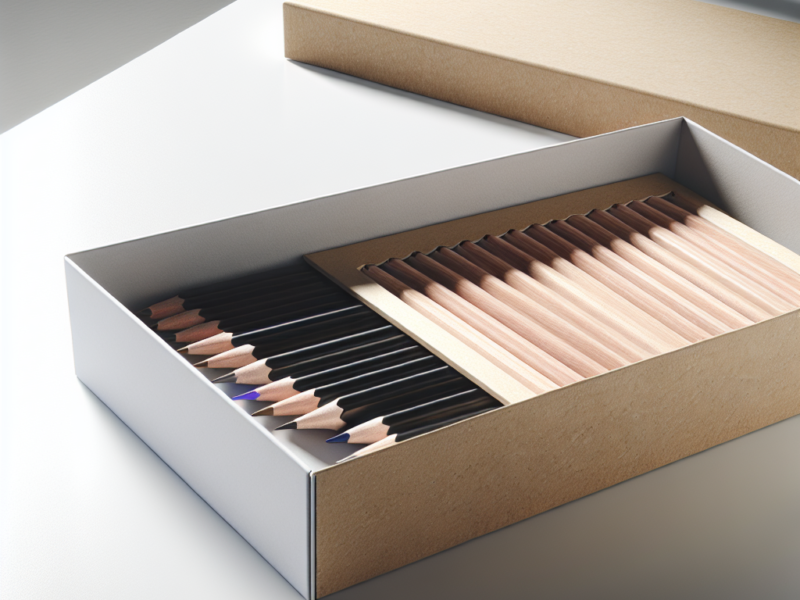
| Packing | Pencils are packed into boxes or bulk cartons for shipment. | Packaging design, labeling |
Choosing the right combination of materials and finishes not only affects the look and feel of your product but also determines its compliance status in your destination country.
Compliance Considerations: Chemical Regulations in Latin America
Importing pencils into South America isn’t just about design—it’s about safety. Paints, lacquers, and erasers can contain chemicals that are regulated under national and regional laws. Non-compliance can lead to fines, shipment delays, or even product recalls.
According to The Environmental Law Firm’s overview, Latin America’s chemical regulations are complex and fragmented. Each country has its own rules, and importers must often deal with overlapping requirements for registration, labeling, and documentation.
For example:
- Brazil is developing its own chemical inventory system, similar to the EU’s REACH framework.
- Argentina and Chile are aligning with the Globally Harmonized System (GHS) for chemical classification and labeling.
- Colombia requires detailed safety data sheets (SDS) for imported products containing hazardous substances.
As REACH24H’s article notes, many Latin American nations are making strides to harmonize with international standards. That’s good news for importers—but it also means you must stay current with evolving laws.
What to Ask Your Custom Pencil Manufacturer
Before placing an order for logo pencils bulk, ensure your manufacturer can meet both your branding needs and your compliance requirements. Here are essential questions to ask:
- Can you provide documentation for paint, lacquer, and eraser materials?
- Are your products compliant with GHS labeling and SDS requirements?
- Do you offer FSC-certified wood or eco-friendly alternatives?
- What printing methods do you use (e.g., screen printing, foil stamping)?
- Can you match Pantone colors for branding consistency?
- What are your minimum order quantities (MOQs) for custom jobs?
- Do you offer pre-shipment inspection or third-party testing?
Working with a manufacturer that understands international compliance—especially in the context of Latin American import laws—can save you from costly mistakes.
Bulk Logo Pencil Options: Comparing Customization Features
Customization drives brand recognition. Here’s a quick comparison of popular options for bulk logo pencils:
| Feature | Standard Option | Premium Option |
|---|---|---|
| Barrel Color | Pre-set color palette | Pantone-matched custom colors |
| Logo Printing | 1-color screen print | Full-color digital or foil stamping |
| Wood Type | Basswood | FSC-certified cedar |
| Eraser | Standard pink rubber | Custom shape, color, or PVC-free |
| Packaging | Bulk carton | Custom printed boxes or tubes |
Choosing premium features can elevate your product’s market appeal—especially for corporate gifting or retail resale.
Shipping, Import Duties, and Documentation
Once your pencils are produced, the next hurdle is import logistics. Here’s what South American buyers should prepare for:
- Import Duties: Vary by country and product classification (typically under HS Code 9609.10 for pencils).
- Labeling Requirements: Some countries require Spanish or Portuguese labeling, including safety warnings.
- Documentation: Commercial invoice, packing list, certificate of origin, and SDS (if applicable).
- Port Clearance: Ensure your freight forwarder is familiar with local customs procedures.
Working with a manufacturer experienced in South American exports can streamline this process. Some even offer Delivered Duty Paid (DDP) services, simplifying your logistics.
Environmental and Ethical Sourcing Trends
Today’s importers are increasingly conscious of sustainability and ethical sourcing. Choosing a manufacturer that uses non-toxic paints, responsibly sourced wood, and fair labor practices isn’t just good ethics—it’s good business.
Look for certifications such as:
- FSC (Forest Stewardship Council) for sustainable wood
- EN71 or ASTM D4236 for non-toxic materials
- ISO 9001/14001 for quality and environmental management
These credentials can also help you meet government procurement standards or retail buyer requirements in your home market.
Final Thoughts: Building a Long-Term Supply Chain
Choosing the right custom pencil manufacturer is more than a one-time transaction—it’s a strategic partnership. For South American importers, the ideal supplier offers a blend of customization, compliance, and communication.
By understanding the OEM process, staying ahead of regulatory shifts, and asking the right questions, you can build a supply chain that delivers value with every sharpened edge.
For further reading on chemical import compliance, the U.S. EPA offers a helpful overview of TSCA requirements for importing chemicals, which may also be relevant for U.S.-bound shipments or dual-market strategies.
Whether you’re sourcing for back-to-school season or a corporate branding campaign, the right pencil supplier can help you write your success story—one logo at a time.
Related Reading
- How to Import Oil-based Colored Pencil from China: Costs & Tips
- Best Custom Logo Pencils for Wholesale Orders
- How to Choose Carpenter Pencils Supplier for Australia Importers
- Best FSC Certified Pencils for EU Buyers
- How to Source Graphite Pencil Production for Australia Importers
- Guide to Carpenter Pencils Supplier for South America
- Benefits of School Pencils for Australia Importers
- Complete Guide to Non‑Toxic Pencils for Wholesale Orders