
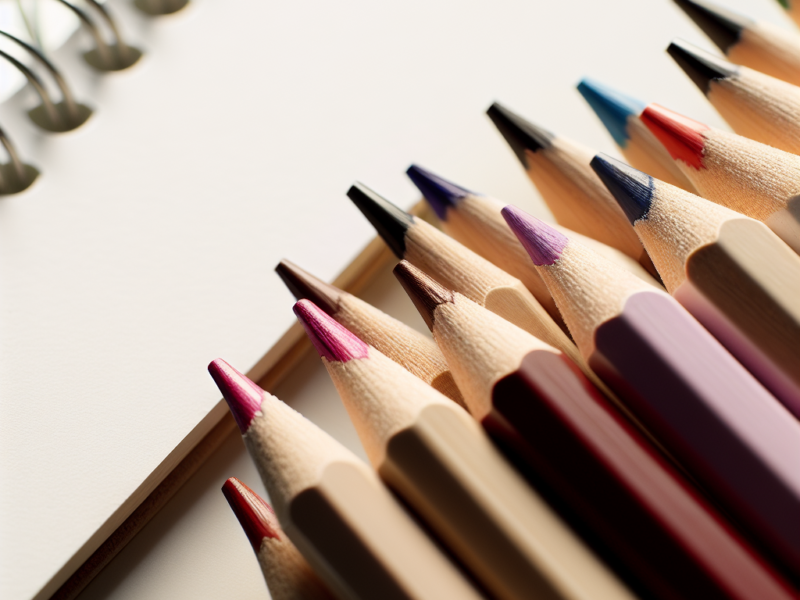
Custom Pencil Manufacturer Guide for Private Label Orders
In a world where brand visibility is everything, even the most humble items — like pencils — can become powerful marketing tools. Whether you’re a startup looking to make a creative impression or an established brand seeking sustainable promotional products, working with a custom pencil manufacturer can unlock a world of opportunity. This guide walks you through everything you need to know about private label pencil production — from OEM logistics and customization options to supplier selection and quality control.
Why Private Label Pencils Are a Smart Branding Tool
Custom pencils aren’t just for classrooms or art studios anymore. Today, they serve as versatile branding assets for companies across industries — from tech startups to design agencies, hotel chains to nonprofits. Their tactile, everyday utility makes them ideal for promotional campaigns, corporate gifting, and retail merchandise.
According to Swagify’s guide on custom pencils, personalized writing tools offer a unique way to reflect brand identity. From color to finish, every design element contributes to a cohesive message. This is especially true for private label pencils, where the product is entirely yours — no off-the-shelf compromises.
Understanding OEM Pencil Manufacturing
OEM (Original Equipment Manufacturer) production means that a manufacturer produces goods based on your specifications, which you then sell under your brand name. In the case of pencils, this involves everything from the core material and shape to the packaging and imprinting.
When working with a custom pencil manufacturer for OEM orders, you’re not just stamping your logo on an existing pencil — you’re engineering a product from the ground up. This allows complete creative control and ensures consistency across every batch.
Key Steps in Custom Pencil Production
The process of creating private label pencils involves several stages. Here’s how it typically unfolds:
1. Define Your Product Specifications
Before approaching manufacturers, clarify your product vision. Consider the following:
- Core type: Graphite, colored, charcoal, or specialty cores like water-soluble pigments.
- Barrel material: Wood (cedar, basswood, or recycled), paper, plastic, or eco-friendly composites.
- Shape: Round, hexagonal, or triangular for ergonomic grip.
- Finish: Natural, lacquered, matte, or rubberized.
- Ferrule and eraser: Metal or plastic ferrules with standard or dust-free erasers.
Each of these elements influences the pencil’s look, feel, and cost. For example, cedarwood offers a premium sharpening experience but comes at a higher price point than basswood.
2. Choose a Reliable Custom Pencil Manufacturer
Not all manufacturers are created equal. Some specialize in high-volume promotional products, while others focus on artisanal or eco-conscious production. When evaluating potential suppliers, consider:
- Minimum order quantities (MOQs): Can they accommodate your scale?
- Customization capabilities: Do they offer full OEM services or just surface printing?
- Lead times: How long does production and shipping take?
- Certifications: FSC-certified wood, non-toxic inks, ISO standards, etc.
- Communication: Clear timelines, responsive support, and sample availability.
It’s wise to request product samples before placing a bulk order. This helps assess build quality, finish, and branding clarity.
3. Design Your Branding Elements
This is where your pencils come to life. Customization options include:
- Imprinting: Pad printing, screen printing, foil stamping, or laser engraving.
- Color palette: Match your brand colors using Pantone Matching System (PMS).
- Typography: Choose legible fonts that reflect your brand tone.
- Logo placement: Barrel, ferrule, or packaging.
As highlighted in the Swagify article, strategic use of color and text can leave a lasting impression — even on a small canvas like a pencil. Consider adding a slogan or hashtag for extra engagement.
4. Packaging and Presentation
Private label pencils are often sold or gifted in sets, making packaging a critical component. Options include:
- Custom-printed paper sleeves
- Recyclable kraft boxes
- Metal tins for premium sets
- Eco-friendly tubes or pouches
Packaging not only protects the product but also reinforces your brand story. For example, a nature-focused nonprofit might opt for minimal, biodegradable wrapping with earthy tones and messaging.
5. Production, Quality Control, and Shipping
Once your design is finalized, the manufacturer begins production. During this phase, it’s important to maintain communication and request updates. Many reputable suppliers will share digital proofs or pre-production samples for final approval.
Quality control is crucial. Check for consistent branding, smooth finishes, centered logos, and functional erasers. A poorly made pencil reflects poorly on your brand — no matter how attractive the design.
Shipping logistics vary depending on the factory location. If you’re working with overseas manufacturers, factor in customs clearance, freight costs, and potential delays. Many suppliers offer FOB (Free on Board) or DDP (Delivered Duty Paid) options to streamline the process.
Common Use Cases for Private Label Pencils
Private label pencils are used across a wide range of industries and occasions. Here are some popular applications:
- Corporate giveaways: Trade shows, conferences, and onboarding kits.
- Retail merchandise: Boutique stationery brands or museum gift shops.
- Educational programs: Schools, tutoring centers, and literacy campaigns.
- Hospitality: Branded pencils in hotel rooms or event venues.
- Creative projects: Artist collaborations or themed product lines.
Because pencils are lightweight and low-cost, they’re an efficient way to scale your brand presence without breaking the budget.
Trends in Custom Pencil Manufacturing
As consumer preferences evolve, so do the trends in private label pencil production. Some current movements include:
- Sustainability: Recycled materials, biodegradable packaging, and water-based inks.
- Minimalism: Clean designs with natural wood finishes and subtle branding.
- Personalization: Variable data printing for names, messages, or QR codes.
- Color psychology: Using hues that evoke emotion and align with campaign goals.
To explore how branding trends apply to other promotional items, see this industry overview of promotional product trends.
Tips for a Successful Private Label Pencil Project
Here are some expert tips to ensure a smooth and effective collaboration with your custom pencil manufacturer:
- Start early: Lead times can range from 4 to 12 weeks depending on complexity and location.
- Document everything: Keep a clear record of specifications, approvals, and changes.
- Build relationships: A good supplier partnership can lead to better pricing and service over time.
- Test the market: Launch with a small batch to gauge response before scaling up.
Final Thoughts: Turning a Simple Pencil Into a Brand Statement
Partnering with a custom pencil manufacturer for private label orders is more than a sourcing decision — it’s a branding strategy. From material selection to logo design, every detail tells a story. With thoughtful planning and the right supplier, you can transform a basic writing tool into a compelling expression of your brand.
Whether you’re looking to create eco-conscious merchandise, elegant gifts, or memorable promotional items, private label pencils offer a tactile, timeless medium to connect with your audience.
For further reading on branding through everyday items, check out this guide on promotional product effectiveness.