
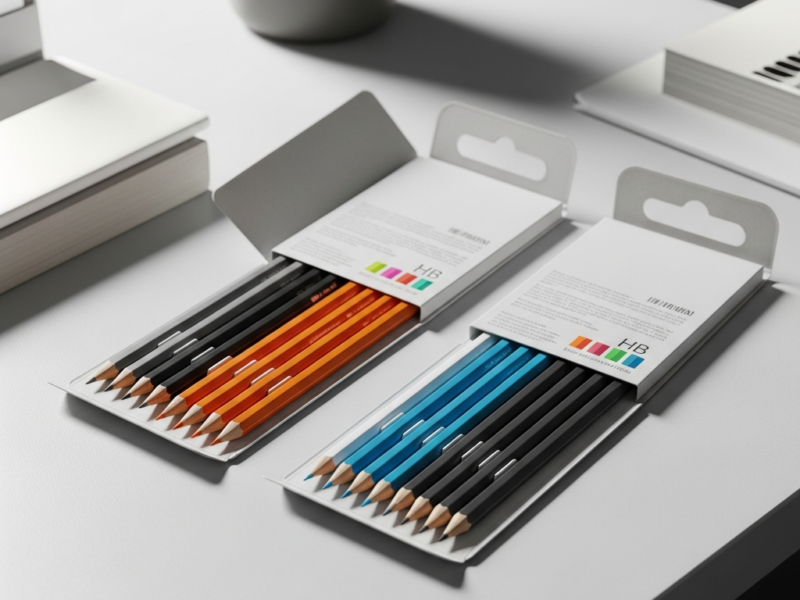
In the global stationery market, the journey from a pencil factory to a retail shelf is fraught with logistical complexities that can jeopardize both product integrity and delivery schedules. For high-volume importers and distributors, the final stage of the manufacturing process—the physical act of packing and sealing the shipment—is often where the most critical errors occur. Managing container loading pencils effectively requires a sophisticated blend of manufacturing oversight, rigorous quality control inspections, and a deep understanding of international shipping protocols to ensure that every wooden casing and graphite core arrives in pristine condition. By prioritizing the container loading phase, businesses can mitigate the risks of transit damage and administrative delays that frequently lead to stockouts and lost revenue.
The Critical Role of Precision in Container Loading for Stationery
Pencils may seem like simple commodities, but they are surprisingly delicate items when shipped in bulk quantities. A standard 20-foot container can hold hundreds of thousands of individual pencils, stacked in master cartons that must withstand significant pressure and movement. The primary challenge in container loading pencils involves preventing “core breakage,” an invisible form of damage where the internal graphite lead snaps due to rough handling or improper stowage even while the external wood remains intact. This issue is often only discovered by the end consumer, leading to high return rates and damage to a brand’s reputation. Professional container loading inspections act as the final gatekeeper, verifying that the cargo is stacked according to pre-approved plans that distribute weight evenly and prevent crushing.
Beyond physical protection, the loading process is the last opportunity to verify that the correct SKU mix is being exported. In the stationery industry, where subtle differences in lead grade (HB vs. 2B) or barrel color can lead to major inventory errors, a meticulous container loading check is indispensable. Inspectors verify the quantity of cartons against the packing list and ensure that shipping marks are clearly visible and accurate. This level of detail is essential for passing through customs smoothly and meeting the strict intake requirements of major retailers. As highlighted by industry experts, these checks are not merely a formality but a strategic investment in safeguarding a company’s financial health and reputation. For a deeper look into the methodology of these checks, you can reference the Cargocare guide on container loading importance.
Adhering to Retailer Supplier Policies and Wood Regulations
Major retailers like Publix and Walmart maintain exhaustive supplier guidelines that dictate exactly how products must be packaged and delivered. When dealing with container loading pencils, suppliers must be particularly mindful of regulations regarding wood packaging materials. Since pencils are made of wood, the pallets and crates used in their transport are often subject to International Standards for Phytosanitary Measures (ISPM 15), which require heat treatment or fumigation to prevent the spread of pests. Failure to comply with these standards can result in the entire container being quarantined or sent back to the port of origin at the supplier’s expense. Expert suppliers integrate these requirements into their internal checklists, ensuring that all pallets used are compliant and correctly stamped.
Furthermore, retailer-specific policies often outline the maximum height and weight for pallets to ensure they fit within their automated distribution center systems. For instance, the Publix Supplier Policies emphasize the necessity of adherence to packaging standards to minimize product damage and ensure efficient handling. If the loading process does not account for these specific height restrictions, the importer may face “re-stacking” fees or outright rejection of the shipment at the warehouse gate. This highlights the importance of moving beyond generic industry standards and fostering a compliant supply chain partnership that respects the logistical nuances of the final destination.
A Step-by-Step Workflow for Successful Pencil Loading
To guarantee that the container loading pencils process goes smoothly, manufacturers and third-party inspectors follow a rigorous workflow. This sequence is designed to catch errors before the container seal is applied, providing a paper trail that protects both the buyer and the seller in the event of a dispute. The process typically begins with an inspection of the container itself to ensure it is structurally sound, dry, and free of odors that could permeate the cedar or basswood of the pencils. Any holes or moisture in the container could lead to mold growth during the weeks-long sea voyage, which would render the entire shipment unsalable.
| Phase | Key Activity | Target Outcome |
|---|---|---|
| Container Pre-Check | Inspect for holes, odors, and moisture | Protect pencils from environmental damage |
| Quantity Verification | Check carton count against packing list | Prevent inventory discrepancies and shortages |
| Packaging Integrity | Verify carton strength and sealing | Ensure master cartons don’t collapse in transit |
| Stowage Supervision | Monitor stacking patterns and bracing | Minimize movement and graphite breakage |
| Sealing and Documentation | Apply ISO-compliant bolt seal | Prevent tampering and facilitate customs clearance |
During the loading process, inspectors specifically look for proper “stowage,” which refers to how the cartons are arranged within the container. For container loading pencils, it is vital to avoid heavy items being placed on top of lighter pencil cartons. If a shipment is a “mixed load” containing heavier stationery items like metal sharpeners or large notebooks, the weight distribution must be carefully managed. Detailed procedural assessments performed prior to sealing, such as those described in the QIMA inspection guide, ensure that all cargo is loaded securely for its journey, significantly bolstering overall supply chain efficiency and reliability.
Navigating Shipping Contracts and Loading Guarantees
The uncertainty of international logistics often stems from the carrier side, where containers may be “rolled” or delayed due to overbooking. For businesses with strict seasonal deadlines—such as the “Back to School” rush—on-time delivery is non-negotiable. This is where contractual guarantees from shipping lines become a vital component of the container loading pencils strategy. Services like Maersk Spot provide loading guarantees that offer a fixed price and a guaranteed slot on a specific vessel. By securing such terms, importers can build a more predictable supply chain, knowing that once their pencils are loaded into the container and delivered to the port, they are prioritized for departure.
Understanding the intricacies of these contracts is essential for managing risk. A “loading guarantee” addresses the common pain point of cargo being left at the dock while the vessel sails. For a stationery brand, a two-week delay at the port could mean missing the window for retail shelf placement, leading to catastrophic financial losses. Leveraging clear contractual terms, as discussed in the Maersk loading guarantee documentation, allows logistics managers to budget more accurately and maintain leaner inventory levels, confident that their container loading pencils will proceed as scheduled without unforeseen disruptions.
Safety Standards and Regulatory Compliance
While pencils are not classified as hazardous materials, the containers used to transport them must still comply with international safety regulations. The structural integrity of the shipping container is governed by standards such as the International Convention for Safe Containers (CSC). In the United States, the Department of Transportation also sets specifications for packagings to ensure they can withstand the rigors of commercial transport. For an importer, ensuring that the container loading pencils process adheres to these broad safety frameworks is a matter of liability protection. A container that fails structurally during transit can cause damage to other cargo, the vessel, or port infrastructure, leading to massive legal and financial repercussions.
Furthermore, even non-hazardous goods must be packed in a way that ensures the safety of the workers who will eventually unload the container. If container loading pencils result in an unstable stack that collapses when the container doors are opened at a distribution center, the importer could be held liable for workplace injuries. Adhering to professional loading standards, which include using proper dunnage (padding) and bracing, prevents these “avalanche” scenarios. This proactive approach to safety and compliance, rooted in documents like the 49 CFR Part 178 regulations, is a fundamental safeguard for product quality and operational safety.
The Strategic Advantage of Container Loading Inspections
Adopting a robust container loading inspection protocol is not just about avoiding mistakes; it is a powerful tool for supply chain optimization. By documenting the loading process through photos and reports, importers can identify bottlenecks and inefficiencies in their manufacturer’s warehouse operations. For example, if a report consistently shows that container loading pencils takes longer than expected due to pallet issues, the importer can work with the factory to streamline their packing line. This data-driven approach allows for continuous improvement, reducing lead times and lowering overall logistics costs over time.
Moreover, these inspections provide the “final word” on the condition of the goods before they leave the manufacturer’s control. If a shipment arrives damaged at the destination, the container loading report serves as vital evidence for insurance claims. It proves that the goods were loaded in good condition and that the damage likely occurred during transit. Without this documentation, it becomes much harder to hold carriers or manufacturers accountable. In the competitive world of stationery, where margins can be thin, the ability to minimize liability and secure insurance payouts can be the difference between a profitable quarter and a significant loss. This strategic framework, emphasized by Tetra Inspection, frames loading checks as a necessary investment in a company’s long-term financial health.
Common Challenges in Bulk Pencil Logistics
When executing container loading pencils, several industry-specific challenges must be addressed. One major concern is humidity. Pencils are typically made of wood, such as incense cedar or linden, which is hygroscopic—meaning it absorbs moisture from the air. If pencils are loaded into a container in a high-humidity environment (common in many manufacturing hubs in Southeast Asia) without proper desiccants, the wood can swell or warp. This can lead to the graphite cores becoming off-center or the paint on the barrels cracking. Expert loading supervisors will often mandate the use of industrial-grade silica gel packs inside the container to maintain a stable microclimate during the sea voyage.
Another challenge is “floor loading” versus “palletizing.” While floor loading (stacking cartons directly on the container floor) allows for a higher volume of container loading pencils, it significantly increases the time and labor required for unloading. Palletized shipments are much faster to process but reduce the total number of pencils that can fit in a single container. Manufacturers must balance these factors based on the urgency of the delivery and the capabilities of the receiving warehouse. A professional inspection ensures that regardless of the method chosen, the cartons are secured with stretch wrap and corner protectors to prevent shifting during the pitch and roll of the ocean journey.
Final Considerations for On-Time Delivery
To guarantee on-time delivery, the synchronization between production schedules and shipping windows must be perfect. The container loading pencils phase is the bridge between these two worlds. A delay in loading by even a few hours can cause a missed “port cut-off” time, resulting in the shipment sitting at the terminal for another week. This is why many top-tier stationery brands employ on-site loading supervisors who can make real-time decisions, such as authorizing overtime for factory workers to ensure the container is filled and sealed on schedule.
Ultimately, the success of a pencil brand depends on its ability to deliver a consistent, high-quality product to the consumer exactly when they need it. By viewing container loading pencils as a critical manufacturing step rather than a mere logistics task, companies can build more resilient supply chains. The combination of rigorous inspections, compliance with retailer standards, and the use of guaranteed shipping services creates a comprehensive safety net. In an era of global supply chain volatility, these best practices are the most effective way to ensure that your pencils—and your business—stay on the right track for growth and reliability.
Checklist for Effective Container Loading
- Verify container seal numbers and ensure they match all shipping documents.
- Check for “light leaks” from inside the container to identify potential holes.
- Ensure that the heaviest pencil cartons are placed at the bottom of the stack.
- Confirm that all shipping marks are oriented outward for easy scanning at the port.
- Take high-resolution photos of the container at 25%, 50%, 75%, and 100% full.
- Verify that all wood packaging materials have the ISPM 15 “wheat” stamp.
- Check that the container door hardware is fully functional and secure.
- Ensure that no cargo is leaning against the doors to prevent injury during opening.
By following these detailed steps and leveraging the expert insights provided by global shipping and inspection leaders, your container loading pencils operations will transition from a point of vulnerability to a pillar of your supply chain’s strength. Consistency in these processes ensures that the high quality of your manufacturing is reflected in the final delivery, fostering trust with retailers and end-users alike.
Related Reading
- The Importance of Pre-Shipment Sample Pencils for Quality
- Retail-Ready Pencil Packaging: Boost Retail Efficiency and Sustainability
- Managing Seasonal Demand for Pencils in Europe
- Understanding the Global Pencil Supply Chain
- Requesting QC Reports for OEM Pencil Imports
- Seasonal OEM Pencil Supply Strategies for On-Time Delivery
- Pencil Export Logistics Strategies for Factory Efficiency
- Sample QC Checklist Pencils Importers Must Follow