
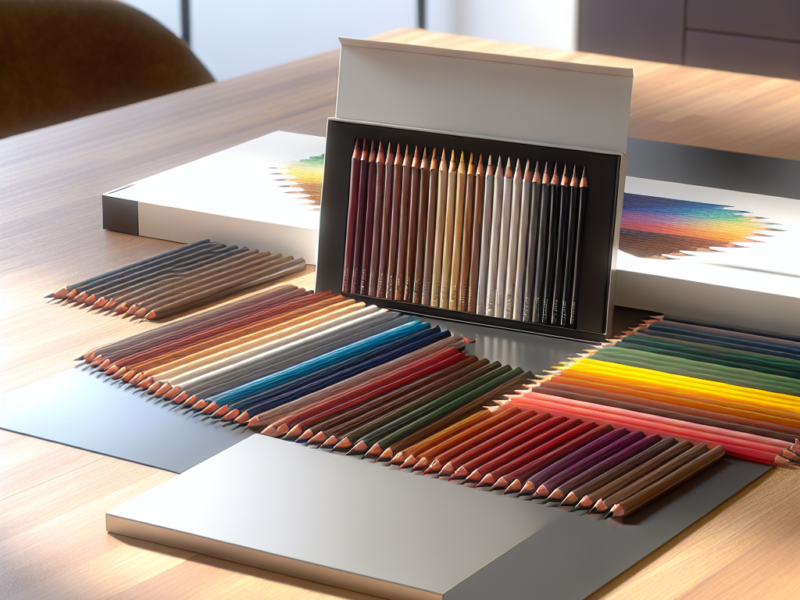
In today’s competitive market, branding is more than logos and color schemes — it’s about the materials you choose to represent your identity. Whether you’re a designer crafting brand visuals or a company sourcing promotional art supplies, the type of pencil you use can influence both quality and perception. Among the wide variety of colored pencils available, oil-based colored pencils stand out for their precision, durability, and professional finish. But what makes them so effective for branding? Let’s explore why oil-based colored pencils are the smart choice for impactful, detail-driven branding and creative work.
What Are Oil-Based Colored Pencils?
Oil-based colored pencils are artist-grade tools that use oil as a binder instead of wax. This seemingly small difference significantly affects how the pencil performs. Compared to their wax-based counterparts, oil-based pencils offer a harder core, finer point retention, and increased resistance to breakage.
The core composition typically includes:
- High-quality pigments
- Vegetable or mineral oils as binders
- Minimal wax content (if any)
This structure results in a pencil that glides smoothly but maintains a crisp, clean line — ideal for detailed illustrations, logo design, and technical branding applications.
Why Oil-Based Pencils Are a Strategic Choice for Branding
Branding often demands precision, consistency, and longevity — qualities that oil-based pencils naturally provide. Here’s how they align with branding needs:
| Branding Requirement | Oil-Based Pencil Advantage |
|---|---|
| Fine Detail in Logos & Typography | Harder core allows sharp lines and crisp edges |
| Color Consistency Across Projects | Stable pigment application with minimal smudging |
| Professional Finish | Polished look without wax bloom or residue |
| Durability in Handling | Less prone to breakage in transport or use |
For companies looking to buy pencils that reflect high production standards, choosing oil-based options ensures your branding tools match your brand’s quality promise.
Oil vs. Wax: A Quick Comparison
To fully appreciate the value of oil-based pencils, it’s helpful to understand how they differ from wax-based pencils. According to a comparative study by the Colored Pencil Society of America, the core difference lies in performance and application style.
| Feature | Oil-Based Pencils | Wax-Based Pencils |
|---|---|---|
| Core Hardness | Harder, maintains a fine point | Softer, wears down faster |
| Precision | Excellent for intricate work | Better for broad, blended areas |
| Durability | Less prone to breakage | More fragile under pressure |
| Bloom Effect | Minimal or none | Can develop wax bloom over time |
| Blending | Requires layering or solvents | Blends easily with soft strokes |
While wax-based pencils are prized for their blendability, oil-based pencils are unrivaled in detail and longevity — two attributes that directly support branding consistency over time.
Real-World Applications in Branding and Design
Oil-based colored pencils aren’t just for fine art. Their resilience and control make them perfect for a range of branding-related applications:
- Logo sketching and refinement — Achieve sharp lines and consistent strokes during concept development.
- Packaging design mockups — Add precise color details to packaging prototypes.
- Custom stationery and promotional art — Create detailed illustrations for branded notebooks or cards.
- Architectural and product sketches — Maintain line integrity in technical drawings and renderings.
- Archival branding materials — Oil-based pigments resist fading and cracking, ideal for long-term displays or portfolios.
As highlighted in Carrie Lewis’s article on real-world uses, oil-based pencils perform consistently across different mediums and paper types, giving brands the flexibility to experiment while maintaining quality.
Pros and Cons of Oil-Based Colored Pencils
Let’s break down the advantages and potential limitations of using oil-based colored pencils in a branding or design context:
| Pros | Cons |
|---|---|
| Superior line control and detail | Less blendable without solvents |
| Long-lasting tip and durability | Can feel firmer or scratchier on some papers |
| Minimal wax bloom or residue | Typically more expensive than wax-based |
| Ideal for archival and high-precision work | Limited availability in budget lines |
For professionals and businesses that prioritize quality, the benefits far outweigh the drawbacks. The initial investment in oil-based pencils pays off in performance and presentation.
Choosing the Right Pencil Supplier for Your Brand
Whether you’re sourcing pencils for internal design teams or creating custom-branded products, partnering with the right pencil supplier is essential. A reliable supplier offers:
- OEM and private label options
- Custom color matching for brand consistency
- Bulk pricing and sustainable packaging
- Consistent lead quality and pigment load
When you buy pencils for branding purposes, prioritize suppliers who understand the nuances of oil-based manufacturing. Look for those who can provide detailed specifications on core composition, lightfast ratings, and material sourcing.
Tips for Using Oil-Based Pencils in Branding Projects
To get the most from your oil-based pencils, follow these expert tips:
- Use smooth, high-quality paper — This reduces drag and enhances pigment laydown.
- Layer gradually — Build depth and color intensity with light pressure to avoid waxy buildup.
- Sharpen with a manual sharpener — This preserves the core and prevents breakage.
- Fix with a workable fixative — Protect your work without dulling the finish.
- Store pencils horizontally — Avoid internal core breakage, especially during transport.
These techniques ensure your branding visuals remain crisp, vibrant, and professional from concept to presentation.
Industry Insight: Why Artists and Designers Prefer Oil-Based Pencils
According to The Virtual Instructor, many professional artists migrate to oil-based pencils as their skills and project demands evolve. The ability to maintain a fine point and achieve consistent coverage makes these pencils ideal for commercial work, where client expectations require precision and repeatability.
In branding, where every line and hue communicates identity, these qualities are invaluable. Whether you’re sketching a new logo or illustrating for a product launch, oil-based pencils give you the control and clarity you need to convey your brand with authority.
Conclusion: Make Oil-Based Colored Pencils Part of Your Brand Toolkit
In a world where visual identity can make or break a brand, the tools you choose matter. Oil-based colored pencils offer the precision, professionalism, and performance that branding demands. From initial sketches to finished visuals, they deliver consistent results that reflect your brand’s commitment to quality.
If you’re ready to elevate your branding materials — or supply your creative team with superior tools — consider oil-based colored pencils as a strategic investment. And when it’s time to buy pencils in bulk or customize them for promotional use, partner with a knowledgeable pencil supplier who understands the importance of material quality in brand representation.
With the right tools in hand, your brand can draw attention — and keep it.
Related Reading
- How Wax-Based Colored Pencils Affect Your Artwork
- Why Pigment Strength Matters in Colored Pencils
- Premium Colored Pencils Factors That Drive Up Cost
- Student Grade vs Artist Grade Pencils Explained
- How Color Pencil Stability Ensures Pigment Consistency
- Why Buyers Prefer Asian Pencil Suppliers for OEM Factories
- Why Artist Pencil Factories Require Specialized Core Production