
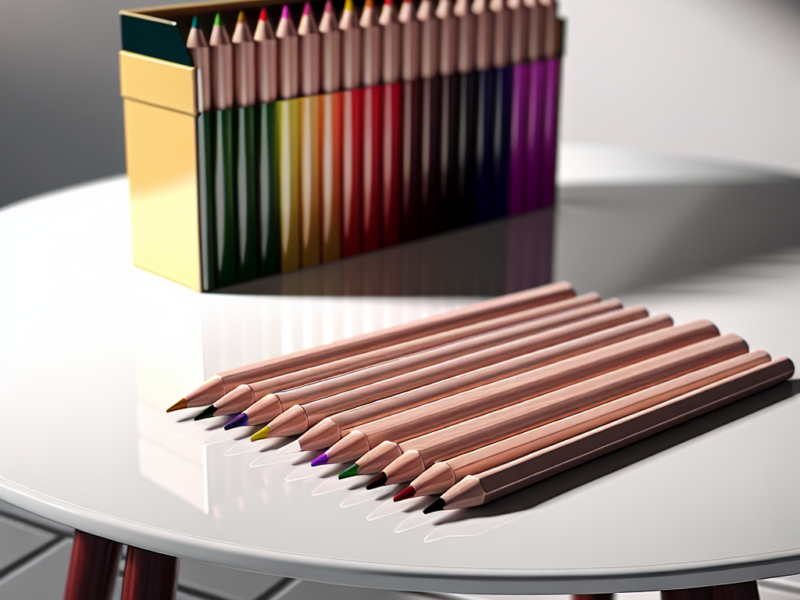
This guide dives deep into the world of pencil design, materials, and performance, helping you make informed decisions whether you’re an artist, student, or pencil supplier looking to understand market preferences.
What Is a Black Wood Pencil?
At first glance, black wood pencils stand out due to their sleek, matte or glossy black finish. But their distinguishing feature goes beyond surface aesthetics. Unlike traditional yellow pencils made from incense cedar or basswood, black wood pencils often use dyed basswood or poplar, giving the entire pencil—including the wood casing—a uniform dark appearance.
These pencils are typically favored for their modern look, but they also offer practical benefits. The dyed wood can mask smudges and dirt, making them ideal for professional settings or frequent use. Some black wood pencils are also manufactured with a denser wood, which can provide a firmer grip and more controlled sharpening experience.
Material Matters: Wood Types and Their Impact
One of the most significant differentiators among pencil types is the wood used in the casing. According to Timo Weaver’s comprehensive pencil guide, the choice of wood can greatly influence the sharpening quality, durability, and even the sound of a pencil on paper.
| Wood Type | Used In | Characteristics |
|---|---|---|
| Incense Cedar | Premium yellow pencils | Soft, aromatic, easy to sharpen |
| Basswood | Budget and dyed pencils | Lightweight, less durable, cost-effective |
| Poplar | Black wood pencils | Moderately hard, takes dye well |
Black wood pencils often use basswood or poplar that’s been dyed during manufacturing. While this doesn’t affect the graphite core, it can influence the sharpening experience—dyed woods tend to be slightly more brittle, requiring sharper blades or higher-quality sharpeners.
Graphite Core: Smoothness, Hardness, and Application
The heart of any pencil is its graphite core. Whether you’re choosing a black wood pencil or a traditional yellow one, the core’s hardness grade (e.g., HB, 2B, H) determines how it performs on paper.
In JetPens’ 2025 pencil roundup, graphite quality was a key factor in their rankings. Black wood pencils from brands like Palomino and Mitsubishi were praised for their smooth laydown and consistent darkness—qualities that artists and writers highly value.
Here’s a quick breakdown of graphite grades and their best uses:
- H–2H: Harder, lighter lines; ideal for technical drawing and fine details
- HB: Balanced for general writing; common in office and school settings
- 2B–6B: Softer, darker marks; preferred for sketching and shading
Many black wood pencils come in softer grades, making them a favorite among illustrators. However, for those needing precision and longevity (e.g., engineers or architects), traditional yellow pencils with harder cores may be more suitable.
Design and Aesthetic Appeal
One of the main reasons people choose black wood pencils is their visual appeal. The uniform dark body, often paired with a black or metallic ferrule and eraser, presents a minimalist, modern aesthetic. This makes them popular in design studios, architectural firms, and even luxury stationery collections.
In contrast, traditional yellow pencils evoke a sense of nostalgia and are often associated with education and everyday use. Colored pencils and novelty pencils (e.g., branded or themed) serve more specialized or promotional purposes.
Performance Comparison: Black Wood vs. Others
Let’s compare the black wood pencil to other common pencil types based on key performance metrics:
| Feature | Black Wood Pencil | Yellow Cedar Pencil | Mechanical Pencil |
|---|---|---|---|
| Sharpening Ease | Moderate (depends on wood quality) | Very easy (cedar is soft) | None required |
| Graphite Consistency | High (premium brands) | Varies by brand | Very high (refillable leads) |
| Durability | Good, but dyed wood can chip | Excellent | Excellent (plastic/metal casing) |
| Eco-Friendliness | Yes, if sustainably sourced | Yes, especially FSC-certified | Depends on refill usage |
| Price Range | Mid to premium | Low to mid | Mid to high |
Pros and Cons of Black Wood Pencils
To help you decide whether black wood pencils are right for you or your customers, here’s a concise pros and cons list:
- Pros:
- Elegant, professional appearance
- Often smoother graphite (in premium models)
- Less visible wear and smudging
- Popular in creative industries
- Cons:
- More brittle wood if cheaply made
- Can be pricier than standard pencils
- Harder to find in bulk without a dedicated pencil supplier
When to Choose a Black Wood Pencil
Black wood pencils are best suited for:
- Designers and illustrators seeking aesthetic cohesion in tools
- Corporate or executive environments valuing sleek design
- Artists requiring darker, smoother graphite for sketching
- Gift sets or premium stationery collections
If you’re looking to buy pencils for resale or branding, black wood pencils offer a modern, upscale alternative to traditional options. Many manufacturers also offer white-label or OEM services, allowing you to customize ferrules, erasers, and even foil stamping for logos.
What to Look for in a Pencil Supplier
When sourcing black wood pencils in bulk, choosing the right pencil supplier is critical. Here are a few key considerations:
- Material Transparency: Ensure the supplier discloses wood type and graphite grade
- Sustainability: Look for FSC-certified wood sources
- Customization Options: Ferrule, eraser, and imprinting capabilities
- Quality Control: Consistency in graphite and casing alignment
- MOQ and Lead Times: Especially important for OEM or promotional orders
Reliable suppliers often offer sample packs or testing periods—take advantage of these to evaluate performance before committing to large quantities.
Final Thoughts: Which Pencil Reigns Supreme?
There’s no one-size-fits-all answer when it comes to choosing between black wood pencils and other popular types. Each has its strengths, and the best option depends on your specific needs—whether that’s visual appeal, graphite performance, or manufacturing consistency.
For those looking to combine form and function, the black wood pencil offers a compelling balance. But if you’re prioritizing easy sharpening and budget-friendly pricing, traditional yellow pencils may still be the go-to. Mechanical pencils, meanwhile, provide unmatched convenience for technical users.
Ultimately, understanding these differences allows you to make smarter choices—whether you’re filling a studio drawer, stocking a store shelf, or developing your own line of custom writing tools.
For further reading, explore these excellent resources:
Related Reading
- Benefits of OEM Pencil Manufacturing for B2B Buyers
- Benefits of School Pencils for Australia Importers
- Benefits of Private Label Pencil Orders for B2B Buyers
- Best Custom Logo Pencils for Wholesale Orders
- Guide to Carpenter Pencils Supplier for South America
- Everything About HB Pencils in Bulk for Australia Importers
- What Importers Should Know About School Pencils for Wholesale Orders
- Complete Guide to Carpenter Pencils Supplier for EU Buyers