
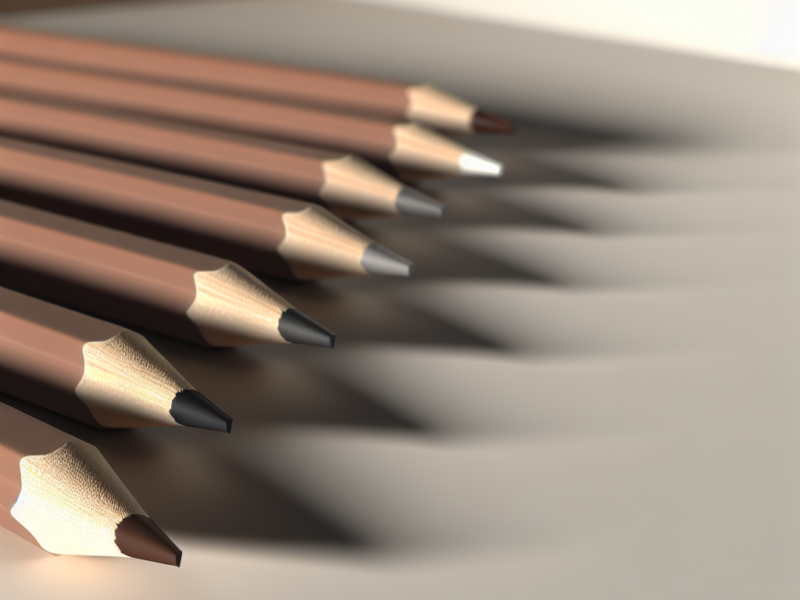
Black Wood Pencil Comparison Guide for Buyers
Whether you’re a designer sketching concepts, a student scribbling notes, or a collector seeking the perfect tool, the humble pencil remains a timeless companion. Among the many varieties, the black wood pencil has emerged as a favorite for its aesthetic appeal and smooth performance. But not all black wood pencils are created equal. This guide helps you navigate the subtle differences in quality, craftsmanship, and usability—so you can confidently buy pencils that meet your exact needs.
What Makes a Black Wood Pencil Different?
At first glance, black wood pencils stand out due to their sleek, dark-stained casings. But the color isn’t just for looks. The black finish often signals a premium product, crafted with higher-quality wood and graphite cores than mass-market alternatives. These pencils are often favored by professionals and enthusiasts who value performance and design equally.
Typically made from incense cedar, basswood, or jelutong, the wood used in black pencils affects sharpening ease, break resistance, and tactile feel. Brands that specialize in black wood pencils often focus on smooth graphite laydown, consistent darkness, and superior point retention—critical traits for artists and writers alike.
Key Factors to Consider Before You Buy
When choosing a black wood pencil, consider the following attributes:
- Graphite Grade: Ranges from soft (e.g., 4B) to hard (e.g., 4H). Softer grades are darker and smoother, ideal for shading. Harder grades are lighter and hold a point longer—better for technical drawing or note-taking.
- Wood Quality: High-quality cedar sharpens cleanly and resists splintering. Lower-grade woods may feel rough or break during sharpening.
- Finish and Ergonomics: Matte finishes reduce slippage. Hexagonal barrels offer grip, while round pencils are more comfortable for long sessions.
- Intended Use: Artists may prioritize tonal range and smoothness. Writers might prefer durability and a fine point.
Top Black Wood Pencils: A Comparative Overview
To help you make an informed choice, we’ve compared several high-performing black wood pencils across different categories. Our comparison draws from expert reviews, user feedback, and independent evaluations such as Timo Weaver’s Woodcased Pencil Master List, a trusted resource among pencil aficionados.
Mitsubishi 9800: A Balance of Utility and Elegance
The Mitsubishi 9800 is a standout in the black wood pencil category. It’s widely praised for its consistent graphite, smooth laydown, and excellent point retention. Available in multiple grades (HB, B, 2B), this pencil is a favorite among writers and sketchers who need reliability in every stroke.
What sets the 9800 apart is its understated design—black lacquered barrel with green and gold accents—and its performance across media. As noted in Timo Weaver’s guide, the 9800 offers a “buttery feel” with just enough feedback, making it ideal for long writing sessions or detailed line work.
Best for: Writers, journaling, general sketching
Palomino Blackwing: Legendary Performance with a Cult Following
No black wood pencil comparison would be complete without the Palomino Blackwing. Known for its ultra-smooth graphite and replaceable erasers, the Blackwing is often considered the gold standard. Its core is softer than most, producing rich, dark lines with minimal pressure.
While not technically a pure black wood pencil—it uses a dark-stained California incense cedar—it fits the aesthetic and performance profile. Artists love it for expressive drawing, while musicians and writers appreciate its fluid line quality.
That said, its softness means it wears down quickly, so it’s not ideal for technical work or extended writing without frequent sharpening.
Best for: Artists, musicians, expressive sketching
Tombow Mono 100: Precision Meets Premium Build
For those who prioritize precision, the Tombow Mono 100 is a top-tier choice. Its dense, fine graphite delivers crisp lines with minimal smudging, making it ideal for drafting and technical drawing. The barrel is beautifully finished in deep black with gold and red detailing, exuding a professional aesthetic.
Its slightly firmer core compared to the Blackwing gives it better point retention, and it’s available in a wide range of grades from 9H to 6B. If you’re looking for a black wood pencil that combines performance and presentation, the Mono 100 is hard to beat.
Best for: Architects, engineers, technical illustrators
Staedtler Norica: Affordable and Dependable
On the more budget-friendly end, the Staedtler Norica offers excellent value. It features a black wood casing and a medium-firm graphite core that performs well for everyday writing. While not as refined as premium Japanese pencils, it holds up admirably for school or office use.
Its affordability and availability in bulk make it a go-to for institutions and anyone looking to buy pencils in quantity without sacrificing too much quality.
Best for: Students, offices, bulk use
OEM Insights: Behind the Scenes of Pencil Manufacturing
Understanding what goes into a black wood pencil can help you better evaluate your options. Most high-end pencils are made using incense cedar, prized for its straight grain and aromatic scent. This wood is kiln-dried and cut into slats, which are then grooved to hold the graphite core. After sandwiching the core, the pencils are shaped, lacquered, and stamped with branding.
OEM (Original Equipment Manufacturer) suppliers often produce pencils for multiple brands, leading to subtle differences in quality even among similar-looking products. If you’re sourcing from a pencil supplier, ask about the wood origin, graphite composition, and finishing process. These factors directly affect performance and durability.
For a deeper dive into the pencil-making process, the Musgrave Pencil Company offers insights into American pencil production, while the Pencils.com site provides educational content on cedar sourcing and sustainability.
How to Choose the Right Pencil for Your Purpose
Still unsure which black wood pencil is right for you? Here’s a quick breakdown by use case:
- For Writing: Mitsubishi 9800 or Staedtler Norica (firm, smooth, consistent)
- For Sketching: Palomino Blackwing (soft, dark, expressive)
- For Technical Drawing: Tombow Mono 100 (precise, hard grades available)
- For Bulk Purchase: Staedtler Norica or OEM options from reputable pencil suppliers
Consider ordering sample packs or mixed-grade sets to test before committing to a full box. Many specialty retailers and online shops offer assortments for this purpose.
Where to Buy Black Wood Pencils
Premium pencils are best purchased from specialty art supply stores or directly from established manufacturers. Websites like Timo Weaver’s master list provide links to verified sellers and detailed brand comparisons. For bulk or OEM inquiries, look for suppliers with FSC certification and transparent sourcing practices.
Some recommended retailers include:
- JetPens – Wide selection of Japanese pencils
- Cult Pens – UK-based, with global shipping
- Pencils.com – Official Palomino and Blackwing distributor
Final Thoughts: Choosing Quality Over Quantity
In a world of disposable pens and digital tools, the black wood pencil offers a tactile, analog experience that rewards attention to detail. Whether you’re writing, sketching, or sourcing for resale, understanding the differences in wood, graphite, and craftsmanship can elevate your pencil game significantly.
Take the time to explore different brands, read expert reviews, and test a few options. The right pencil doesn’t just write—it inspires.