
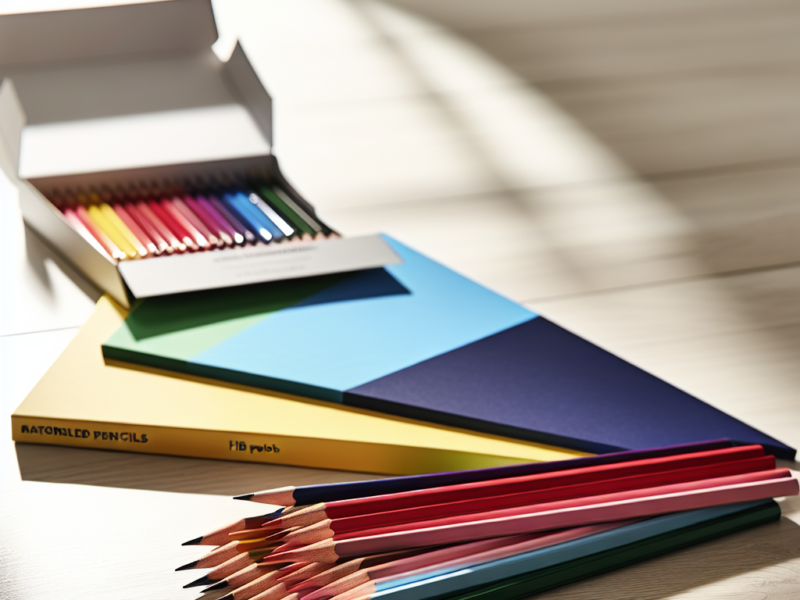
When choosing the right writing tools for students, ergonomics, comfort, and writing efficiency are all critical factors. Among the many options available, triangular school pencils have emerged as a preferred choice for educators, parents, and manufacturers focused on child development. These pencils are not just about aesthetics—they represent a thoughtful intersection of design and function that directly impacts how students learn to write, grip, and engage with academic tasks.
Why Pencil Shape Matters in Education
Traditional round and hexagonal pencils have long dominated classrooms, but the triangular pencil is gaining traction for good reason. The shape of a pencil significantly influences how comfortably a child can hold it, especially during long writing sessions. According to the Wikipedia entry on pencils, the body’s geometry affects grip and control. While hexagonal pencils offer a balance of comfort and roll resistance, triangular pencils go a step further by naturally guiding the fingers into a tripod grip—an essential posture for developing fine motor skills.
This ergonomic benefit is particularly important for young students who are still mastering handwriting. A proper grip not only improves penmanship but also reduces fatigue and the risk of hand strain. In this context, triangular school pencils are more than just writing tools—they are developmental aids that support educational growth.
Ergonomics and the Triangular Advantage
One of the most compelling reasons to choose triangular school pencils is their ergonomic design. Unlike round pencils that can slip or require more finger pressure to control, triangular pencils fit naturally into the contours of a child’s hand. This design encourages the “tripod grip,” which involves holding the pencil with the thumb, index, and middle fingers—an important milestone in early childhood education.
Manufacturers like Reidinger GmbH emphasize that ergonomically shaped pencils help children develop proper posture and writing techniques. Their research on colored pencils for children notes that such designs can significantly influence how comfortably and effectively a child learns to write. The triangular shape reduces the effort needed to maintain grip, making writing less tiring and more enjoyable.
Comparing Pencil Shapes: A Practical Overview
| Pencil Shape | Grip Comfort | Roll Resistance | Recommended For |
|---|---|---|---|
| Round | Low | Low | General use, art |
| Hexagonal | Moderate | High | Older students, professionals |
| Triangular | High | Very High | Young learners, early writers |
Enhanced Writing Control and Precision
For students, especially those in early elementary school, control and precision are key to developing good handwriting habits. Triangular pencils offer a stabilized grip that minimizes slippage, which in turn enhances line control. This is particularly beneficial during exercises that require fine motor coordination, such as cursive writing or drawing geometric shapes.
Community insights from a Reddit discussion on #2 pencils reveal that many users find triangular pencils easier to maneuver, especially for children with motor skill challenges. The added control helps students produce clearer, more legible writing, which is essential for academic success and self-confidence in the classroom.
Reduced Hand Fatigue During Extended Use
Writing for extended periods can be tiring, particularly for younger students who are still developing hand strength. The triangular design distributes pressure more evenly across the fingers, reducing the likelihood of muscle fatigue. This is a crucial benefit during standardized tests or long writing assignments where endurance matters.
In contrast, round pencils can cause the hand to cramp due to the constant micro-adjustments needed to maintain grip. Hexagonal pencils offer some relief, but the triangular shape is superior in terms of pressure distribution and comfort. This makes them ideal for classroom environments where writing is a daily activity.
Promoting Correct Writing Posture
Posture during writing is often overlooked, but it plays a significant role in long-term musculoskeletal health. Triangular school pencils naturally encourage students to sit upright and maintain a neutral wrist position. This is especially important for children who are still developing body awareness and coordination.
According to educational supply experts at Polar Pencil Pusher, the design of school pencils can influence not just how children write, but how they sit and hold their bodies during learning activities. A pencil that supports proper posture contributes to a more focused, comfortable, and productive classroom experience.
Safety and Practicality in the Classroom
Triangular pencils are often designed with safety in mind. Their broader surface area makes them less likely to snap under pressure, and their shape prevents them from rolling off desks—an underrated but highly practical feature in busy classrooms. This roll-resistance reduces distractions and potential accidents, especially in younger age groups.
Additionally, many triangular pencils come with break-resistant graphite cores and are made from non-toxic, eco-friendly materials. This makes them a responsible choice for schools that prioritize student safety and environmental sustainability.
Manufacturing Considerations: Why OEMs Prefer the Triangular Design
From a manufacturing standpoint, producing triangular school pencils requires specialized die-cutting and shaping processes. While this adds complexity compared to round or hexagonal pencils, many Original Equipment Manufacturers (OEMs) see it as a worthwhile investment due to increasing demand in educational markets.
Triangular pencils are often produced using softwood species like cedar or basswood, which are easier to shape and sharpen. The manufacturing process involves precision cutting of the wood slats, insertion of the graphite core, and bonding under heat and pressure. After shaping, the pencils are coated with child-safe lacquer and often pre-sharpened for immediate use in classrooms.
OEMs targeting the school supply sector recognize that ergonomic designs can command higher margins and foster brand loyalty. As educational institutions become more conscious of the tools they provide, triangular pencils are increasingly featured in bulk procurement lists and back-to-school kits.
Cost vs. Benefit: Are Triangular Pencils Worth It?
While triangular pencils may cost slightly more than standard hexagonal or round options, the benefits they offer often outweigh the price difference. When evaluating school supplies, it’s important to consider long-term value rather than upfront cost. Improved handwriting, reduced fatigue, and better posture can lead to a more engaged and successful student body.
Moreover, the durability of triangular pencils—thanks to their thicker cores and reinforced bodies—can reduce replacement frequency, ultimately offering better value for schools and parents alike.
Ideal Use Cases for Triangular School Pencils
- Kindergarten and early elementary grades
- Handwriting instruction and practice
- Students with fine motor skill challenges
- Standardized testing environments
- Art and sketching exercises requiring precision
Tips for Choosing the Right Triangular Pencil
When selecting triangular school pencils, consider the following features:
- Graphite Grade: For general writing, HB or #2 grade is ideal.
- Material: Look for FSC-certified wood and non-toxic coatings.
- Grip Enhancements: Some models include rubberized grips or textured surfaces.
- Sharpenability: Ensure the pencil sharpens evenly without splintering.
- Core Strength: Reinforced graphite reduces breakage during use or sharpening.
Conclusion: A Smart Investment in Student Success
Triangular school pencils are more than just a trendy alternative to traditional designs—they are a well-researched, ergonomically sound tool that can significantly enhance a student’s writing experience. From promoting proper grip and posture to improving handwriting and reducing fatigue, these pencils offer a host of benefits tailored to the needs of growing learners.
As educational standards evolve and classrooms become more focused on holistic development, investing in the right writing instruments becomes increasingly important. Whether you’re a parent shopping for school supplies or an educator responsible for classroom materials, triangular pencils represent a thoughtful, effective choice that supports both learning and well-being.
For further insights into pencil design and educational tools, explore these additional resources:
- Wikipedia – Pencil
- Reidinger GmbH – Colored Pencils for Children
- Polar Pencil Pusher – School Pencils