
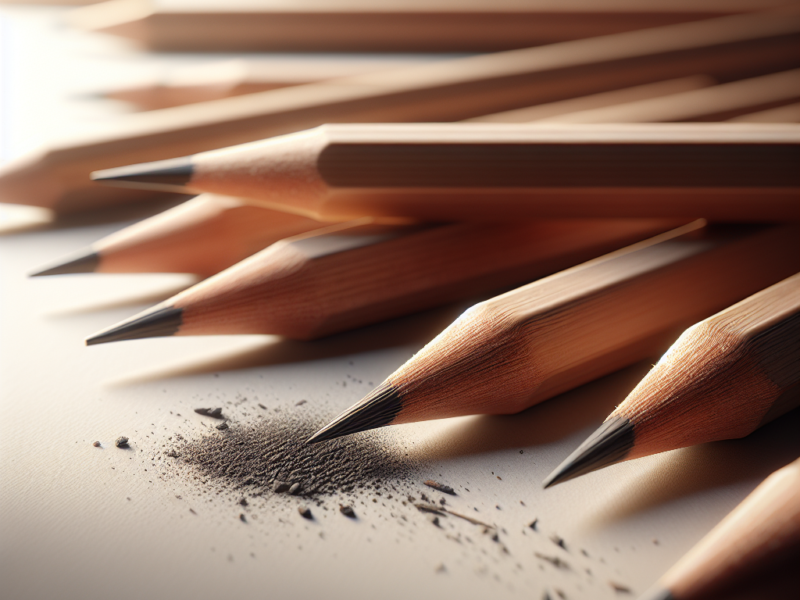
Beginner Guide to Sharpening Techniques and Materials Explained
Whether you’re an art student sketching for hours, a teacher handing out class sets, or an OEM buyer sourcing pencils for retail, understanding sharpening techniques and materials is more than a detail—it’s a foundation. Poor sharpening can ruin pencil tips, waste materials, and even lead to user fatigue or injury. In contrast, proper technique preserves the pencil’s structure, improves drawing control, and ensures a smooth, consistent writing experience.
This beginner guide to sharpening techniques and materials explained will walk you through the essentials—from pencil grades and wood types to sharpening tools and ergonomic considerations. With a blend of manufacturing insight and practical tips, you’ll learn how to sharpen smarter, not harder—whether you’re using a hand-held blade or managing a bulk supply chain.
Understanding the Topic & Its Importance
Sharpening might seem like a simple task, but in educational, artistic, and commercial contexts, it plays a key role in performance and product lifespan. For students, a well-sharpened pencil means legibility and less breakage during exams. For artists, it means precision in line work and tonal control. And for OEM buyers, understanding sharpening compatibility ties directly to product satisfaction and return rates.
From a manufacturing standpoint, the sharpening experience is influenced by the interplay of graphite density, wood grain, and coating thickness. High-quality cedar offers clean, spiral shavings with minimal splintering, while basswood—though more cost-effective—can chip under poor sharpening. Moisture stability in both the wood and graphite core is also essential; a poorly dried pencil will warp or crack when exposed to blade friction.
Leonard Lee’s “The Complete Guide to Sharpening” emphasizes how material properties affect edge maintenance across tools—an insight equally valuable when considering how pencil cores respond to blade angles and pressure. As Lee notes, mastering sharpening is about understanding both the tool and the material behind it.
Essential Tools & Pencil Specifications
Before diving into technique, it’s important to know your materials. Pencils vary widely in grade, wood type, and finish—all of which influence how they should be sharpened. Pencil grades range from 9H (hardest) to 9B (softest). Harder grades like 2H or 4H are ideal for drafting and technical work, while softer grades like 4B or 6B are preferred for shading and expressive lines. Softer graphite is more prone to breakage, so it requires gentler sharpening.
Wood casing plays a major role. Incense cedar is the gold standard—lightweight, aromatic, and splinter-resistant. It sharpens smoothly and evenly, which is why it’s preferred by premium brands. Basswood and poplar are more common in budget pencils; they’re softer and can sometimes splinter or compress under pressure. For OEM buyers, the wood type affects not just cost but also sharpening performance and user satisfaction.
Sharpening tools include handheld sharpeners (single or double-hole), mechanical sharpeners, and knives. A quality sharpener has a sharp, replaceable blade and a snug guide to prevent wobble. Paper choice also matters: rough sketch pads can wear down tips quickly, while smoother surfaces preserve sharpness. Proper storage—away from moisture and extreme heat—prevents warping, especially in bulk shipments.
Lastly, coating matters. A high-quality lacquer finish not only enhances appearance but also provides a smooth glide through sharpeners. Poor coatings can peel or gum up blades, especially during high-volume use.
Step-by-Step Techniques or Best Practices
Start by choosing the right sharpener for your pencil type. For standard graphite pencils, a single-hole handheld sharpener with a long point blade is ideal. Hold the pencil steady and rotate the sharpener—not the pencil. This reduces stress on the graphite core and ensures even sharpening. Applying too much pressure can crack the core, especially in softer grades.
For artists or those seeking a custom tip shape, a utility knife offers more control. Hold the pencil in your non-dominant hand and gently shave the wood casing away from the graphite, rotating the pencil slightly between passes. Always cut away from your body, and keep the blade sharp. A dull blade can crush the wood fibers instead of slicing them cleanly.
Once the graphite is exposed, you can refine the point with sandpaper or a sanding block. This is especially useful for soft grades like 6B, where a long taper improves shading. Avoid over-sharpening—leaving too much graphite exposed increases the risk of breakage.
Mechanical sharpeners are convenient for classrooms and studios but must be used with care. Insert the pencil gently and allow the machine to do the work. For softer woods, use a sharpener with adjustable settings to avoid aggressive cutting. Always clean the blades regularly to prevent graphite buildup.
Common Mistakes & Fixes
One of the most common mistakes is over-rotating the pencil during sharpening. This can cause the graphite core to snap internally, leading to repeated breakage even after resharpening. Instead, rotate the sharpener or use a slow, controlled motion when using a knife.
Using a dull blade is another frequent issue. It tears the wood rather than slicing it, resulting in jagged edges and uneven tips. Replace blades regularly or invest in a sharpener with a high-carbon steel blade for longer life.
Another pitfall is using the wrong sharpener for the pencil type. Jumbo pencils, for instance, need a larger-diameter hole. For OEM buyers, mismatched packaging (e.g., standard sharpener with jumbo pencils) is a common source of consumer complaints.
Improper storage is a silent killer. Pencils stored in humid environments absorb moisture, which softens the wood and swells the graphite. This leads to poor sharpening and warped barrels. Always store pencils in a dry, temperature-controlled area, especially prior to retail distribution.
Pro Tips & Manufacturer Insight
From a production standpoint, graphite density is calibrated to match the intended grade. Softer cores (6B–9B) contain more clay binders, making them smoother but more fragile. Harder grades (2H–9H) are denser and more durable but can feel scratchy on paper. A well-balanced HB core, the industry standard, offers the best compromise between durability and smoothness.
Wood grain direction also affects sharpening. Straight-grain cedar yields clean shavings and resists splintering. Manufacturers often kiln-dry cedar to 6–8% moisture content, ensuring dimensional stability. Basswood, with its looser grain, requires sharper blades and more careful sharpening to avoid fiber tear-out.
Coating thickness is another factor. A uniform lacquer layer (typically 0.1–0.2 mm) ensures smooth feed through mechanical sharpeners. Inconsistent coating can cause jamming or blade drag. For OEM orders, consistent coating application is a key QC checkpoint.
Compliance matters too. Pencils for children must meet EN71 and ASTM D-4236 standards for non-toxicity and safety. This includes pigment safety, coating composition, and break resistance. OEM buyers should request compliance documentation during procurement to ensure market readiness.
Moisture control is critical throughout the supply chain. Pencils should be sealed in moisture-barrier cartons and stored in low-humidity warehouses. Even a small rise in ambient humidity can cause wood swelling, leading to poor sharpening and increased breakage rates in retail environments.
Helpful References & Further Reading
Further reading: Leonard Lee’s Complete Guide to Sharpening
Further reading: Sharpening techniques for woodworking and blade tools
Conclusion
Sharpening is more than a maintenance task—it’s part of the pencil’s performance lifecycle. By understanding pencil grades, choosing the right tools, and applying proper technique, users can enhance both the longevity and usability of their pencils. From the perspective of manufacturing and OEM supply chains, these details influence everything from user satisfaction to warranty claims. Whether you’re drawing, writing, or sourcing for retail, mastering sharpening techniques is a practical skill worth honing.
For OEM inquiries, bulk orders, or custom sample requests, please contact our product team today.