
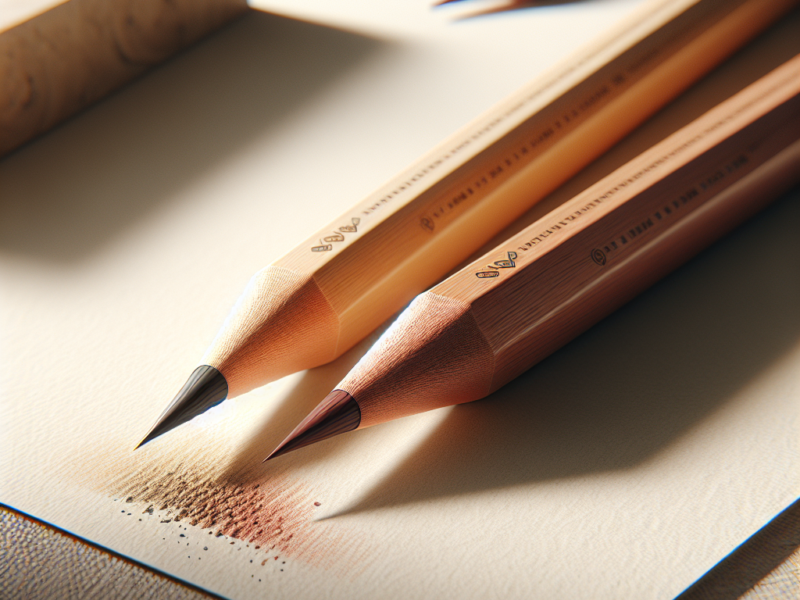
Beginner Guide to Artist Pencils and Moisture Control
Whether you’re just starting out with sketching or transitioning into professional illustration, choosing the right artist pencils can feel overwhelming. Add in the technical layers of moisture control and coatings, and the decision-making process becomes even more complex. This guide breaks down the essentials—from pencil types to how environmental factors like humidity can affect your tools—so you can make informed choices and protect your investment.
Understanding Artist Pencils: Core Types and Their Uses
Before diving into coatings and climate considerations, it’s essential to understand the core types of artist pencils. Each type serves a different purpose, and your selection should align with your artistic goals.
Graphite pencils are the most common. They range from hard (H) to soft (B) grades, ideal for everything from technical sketches to expressive shading. If you’re just starting, a set that spans 2H to 6B offers a great tonal range.
Charcoal pencils provide rich, deep blacks and are favored for dramatic contrast and expressive line work. However, they’re more brittle and sensitive to moisture, which we’ll explore later.
Colored pencils come in wax-based, oil-based, and water-soluble varieties. Each has distinct blending characteristics. Wax-based pencils are prone to bloom (a hazy film), especially in humid conditions, while oil-based pencils offer more control and less smudging.
Some artists also use mechanical pencils for detailed line work or drafting. These are less affected by moisture but offer limited tonal range.
How to Choose: Matching Pencil Types to Your Needs
There’s no universal “best” pencil—only the best for your technique, medium, and environment. Here’s a quick comparison to guide your selection:
- Sketching and fine detail: Graphite (H to HB)
- Shading and expressive drawing: Graphite (2B–8B), Charcoal
- Color layering: Wax-based colored pencils
- Precision and durability: Mechanical pencils
Consider your surface, too. Smooth paper works well with graphite and colored pencils, while rougher textures enhance charcoal’s grip and depth.
Moisture Control: Why It Matters for Artist Pencils
Most beginners overlook moisture control, but it plays a critical role in pencil performance and longevity. Humidity affects both the core material and the wood casing, leading to warping, cracking, or inconsistent application.
Charcoal and soft graphite are particularly vulnerable. Excess moisture can soften the core, causing it to crumble or smudge excessively. Colored pencils, especially wax-based ones, may develop a cloudy surface bloom in damp environments.
To protect your tools, store them in a sealed container with silica gel packets or a small dehumidifier. For artists in tropical or coastal regions, this step is essential. If you’re transporting pencils, consider a hard case with moisture-resistant lining.
For more on how humidity affects art materials, see this guide by Jackson’s Art Supplies.
Coating Overview: What Protects the Pencil, and Why It Matters
Most artist pencils are coated with a lacquer or varnish to protect the wood casing and prevent moisture absorption. This coating overview is often overlooked, but it’s vital for both durability and usability.
High-end pencils like Faber-Castell 9000 or Caran d’Ache Grafwood use multiple layers of water-based lacquer. These coatings resist moisture and give the pencil a smooth, balanced feel. Cheaper pencils may use a single coat or skip it entirely, leaving them vulnerable to swelling or splintering.
Some brands offer matte finishes for better grip, while others use glossy coatings for aesthetic appeal. Neither is inherently better, but matte finishes can help prevent slippage during long drawing sessions.
In OEM manufacturing, the coating process is tightly controlled. After the pencil cores are glued into slats and shaped, they pass through automated spray lines where lacquer is applied, dried, and cured. This ensures uniform protection and branding consistency.
Moisture and the Supply Chain: From Factory to Studio
Moisture control doesn’t stop at the consumer level. It’s a critical factor during manufacturing and shipping as well. Pencil factories in humid regions must monitor air quality and drying times carefully. If the cores or slats absorb moisture during production, it can lead to warping or core misalignment.
During transit, especially overseas, pencils may pass through multiple climate zones. Without proper packaging—such as shrink-wrapping or desiccant-lined cartons—humidity can compromise entire batches. This is especially true for uncoated or minimally coated pencils.
Art supply distributors often use climate-controlled warehouses to maintain quality. As a consumer, buying from reputable brands and dealers helps ensure you’re getting tools that have been properly stored and handled.
Comparing Brands: What to Look for as a Beginner
As a newcomer, it’s tempting to go for large, inexpensive sets. But quality varies widely, and poor-quality pencils can hinder your progress. Here’s what to compare:
- Core consistency: Does the core stay centered and sharpen evenly?
- Wood quality: Cedar is ideal—it sharpens cleanly and resists splitting.
- Coating durability: Does the finish chip or wear off quickly?
- Moisture resistance: Are the pencils sealed and shipped in protective packaging?
Brands like Prismacolor, Derwent, and Staedtler offer reliable entry-level options. For higher-end tools, look to Caran d’Ache or Mitsubishi Hi-Uni. Each has its own feel, so testing a few individual pencils before committing to a full set is wise.
Storage Tips: Protecting Your Investment
Once you’ve chosen your pencils, proper storage helps preserve their quality. Here are some best practices:
- Use a pencil roll or hard case to prevent breakage
- Store in a cool, dry place away from windows and heaters
- Add silica gel packs to your storage container to combat humidity
- Keep charcoal and pastel pencils in a sealed tin to prevent dust contamination
For long-term storage, especially in seasonal climates, consider vacuum-sealed bags or airtight boxes. This is especially important for rare or discontinued pencils that you want to preserve.
For more in-depth storage advice, check out this guide to protecting colored pencils.
Final Thoughts: Building Confidence Through Knowledge
Choosing the right artist pencils involves more than just picking a brand or color set. Understanding how materials interact with climate, how coatings protect your tools, and how to store them properly gives you a solid foundation for growth.
As you gain experience, you’ll develop preferences for certain brands, textures, and finishes. But starting with informed choices—and practicing good moisture control—can save you frustration and money.
Art is both a creative and technical practice. Mastering the tools of your trade is the first step toward mastering the art itself.