
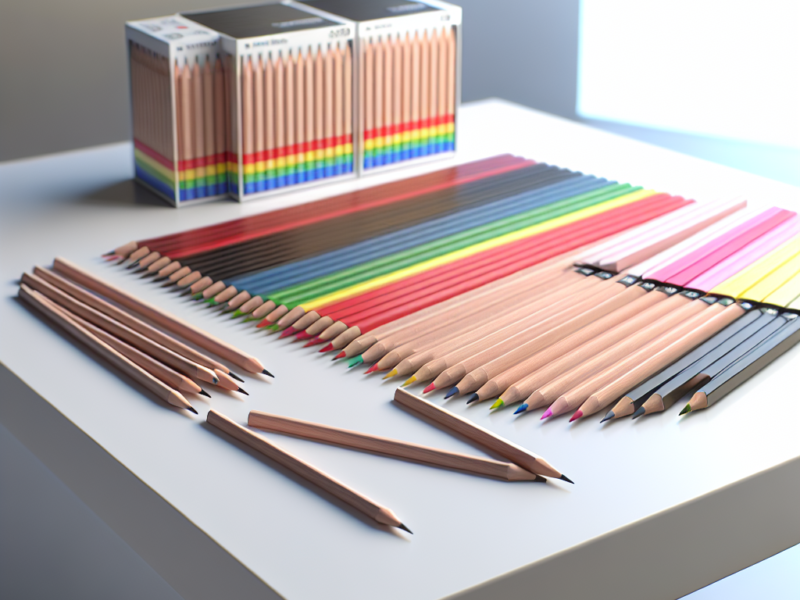
When it comes to achieving precision in carving, stropping, and sharpening, material choice makes all the difference. Among the various woods used in these crafts, basswood has carved out a reputation for delivering consistently clean results. Whether you’re a woodworker, a blade enthusiast, or a pencil manufacturer seeking optimal sharpening performance, understanding why basswood is favored can significantly elevate your results. This article explores why clean sharpening basswood is not just a preference—but often the ideal choice.
What Makes Basswood Unique?
Basswood (Tilia americana) is a soft hardwood native to North America, valued not only for its workability but also for its delicate grain and uniform texture. These characteristics make it particularly suitable for applications where clean, controlled cuts are essential. Its pale, creamy color and fine, even grain structure reduce resistance against cutting tools, which is why it’s a favorite among carvers and pencil manufacturers alike.
According to WOOD Magazine, basswood resists splitting and holds detail exceptionally well. This is critical when crafting items that require intricate shaping or when sharpening tools to a precise edge. The softness of basswood also means less wear on blades, contributing to tool longevity and safer handling.
Clean Sharpening: Why Basswood Excels
One of the standout qualities of basswood is its ability to allow for clean sharpening. Whether used as a stropping base or as the material being sharpened (in the case of pencils), its low density and fine grain make it ideal for achieving smooth, burr-free edges. Unlike resinous or fibrous woods that can gum up or fray during sharpening, basswood maintains structural integrity and offers minimal resistance.
On forums like r/sharpening, users consistently report that basswood provides a superior stropping surface. The wood’s softness allows it to conform slightly to the blade, improving contact and polishing efficiency. This helps in refining the edge without over-abrasion, a critical aspect of maintaining high-carbon or laminated steel tools.
Applications in Woodworking and Tool Maintenance
Basswood’s utility stretches across multiple domains—from carving figurines to maintaining razor-sharp chisels. In woodworking, especially for beginners, the forgiving nature of basswood reduces the risk of tool damage and makes it easier to learn fine motor control. For professionals, it offers the consistency needed for complex patterns and high-detail work.
In tool maintenance, especially for knives and chisels, basswood is used in stropping blocks. When charged with a fine abrasive compound like chromium oxide, a basswood strop can rival leather in performance. Users on BladeForums and Reddit have shared that basswood strops provide a “crisp polish” and are easier to maintain than leather, which can dry out or deform over time.
Material Comparison: Basswood vs. Other Woods
| Property | Basswood | Leather | Maple | Pine |
|---|---|---|---|---|
| Grain Texture | Fine, even | Non-wood | Moderately coarse | Irregular |
| Hardness (Janka) | 410 lbf | Variable | 1450 lbf | 380 lbf |
| Sharpening Cleanliness | Excellent | Excellent | Fair | Poor |
| Ease of Carving | Very easy | N/A | Difficult | Moderate |
| Stropping Suitability | High | High | Low | Low |
This table illustrates how basswood stands out, especially in applications requiring clean, controlled cuts and stropping efficiency. Its low hardness and fine grain make it a superior choice over harder or more fibrous woods.
Why Pencil Manufacturers Prefer Basswood
In the pencil industry, basswood is prized for its machinability and consistency. High-end pencil manufacturers often use basswood because it sharpens cleanly without splintering, making it ideal for both manual and mechanical sharpeners. The clean sharpening experience is not just about aesthetics—it also affects user satisfaction and tool longevity.
The internal structure of basswood allows it to be milled into precise slats with minimal waste. Its uniformity ensures that the graphite core remains centered and protected, reducing breakage during sharpening. This is particularly important in premium colored pencils, where pigment cores are softer and more fragile than standard graphite.
Stropping with Basswood: A Practical Guide
Using basswood as a stropping surface is straightforward and effective. Here’s a simple workflow for setting up your own basswood strop:
- Choose a flat, smooth piece of basswood about 1 inch thick.
- Sand the surface with 400- to 600-grit sandpaper to ensure smoothness.
- Apply a thin layer of stropping compound (green chromium oxide is popular).
- Hold your blade at a consistent angle and draw it backward across the wood.
- Repeat on both sides until a polished, refined edge is achieved.
Because of its soft surface, basswood conforms slightly to the blade edge, allowing for even pressure and better compound transfer. Unlike leather, it doesn’t stretch or deform, providing a stable platform for consistent results.
Pros and Cons of Using Basswood
| Pros | Cons |
|---|---|
| Clean, splinter-free sharpening | Low durability for structural applications |
| Excellent for stropping and carving | Can dent or compress under heavy pressure |
| Lightweight and easy to shape | Not moisture-resistant |
| Readily available and affordable | Requires proper storage to prevent warping |
While basswood offers numerous benefits for sharpening and carving, it’s important to understand its limitations. Proper storage—dry, cool conditions away from direct sunlight—will help preserve its properties for long-term use.
User Insights and Real-World Performance
Discussions on the Woodcarving Illustrated Forum reveal that many users find basswood to be the most forgiving and consistent wood for detailed carving and blade maintenance. One carver noted that switching from pine to basswood reduced tool chatter and improved the quality of their cuts. Another shared that their basswood strop outlasted a leather one under similar use conditions.
These testimonials reinforce the idea that basswood isn’t just theoretically effective—it performs reliably in the hands of professionals and hobbyists alike. Its consistency across batches and suppliers also makes it a dependable choice for OEMs and craftspeople who require predictable results.
Conclusion: The Ideal Choice for Clean Sharpening
Whether you’re stropping a fine blade, manufacturing high-end pencils, or carving intricate figures, basswood offers a reliable, high-performance material that supports clean, precise work. Its softness, fine grain, and structural stability make it uniquely suited to tasks where detail and edge integrity matter most. As more craftspeople and manufacturers share their positive experiences, the case for clean sharpening basswood continues to strengthen.
For those seeking optimal sharpening results or carving performance, basswood isn’t just a good option—it’s often the best one. With proper care and sourcing, it can elevate both the quality of your tools and the satisfaction of your craft.
Related Reading
- The Importance of Consistent Wood Grain in Basswood Pencils
- Basswood vs Poplar: Key Factors for Importers
- Consistent Sharpening Angle for Better Pencil Performance
- Prevent Pencil Core Breakage During Sharpening Tips
- Reducing Pencil Cutting Chipping: Effective Techniques
- Pencil Sharpening Test Method Used in Factories