
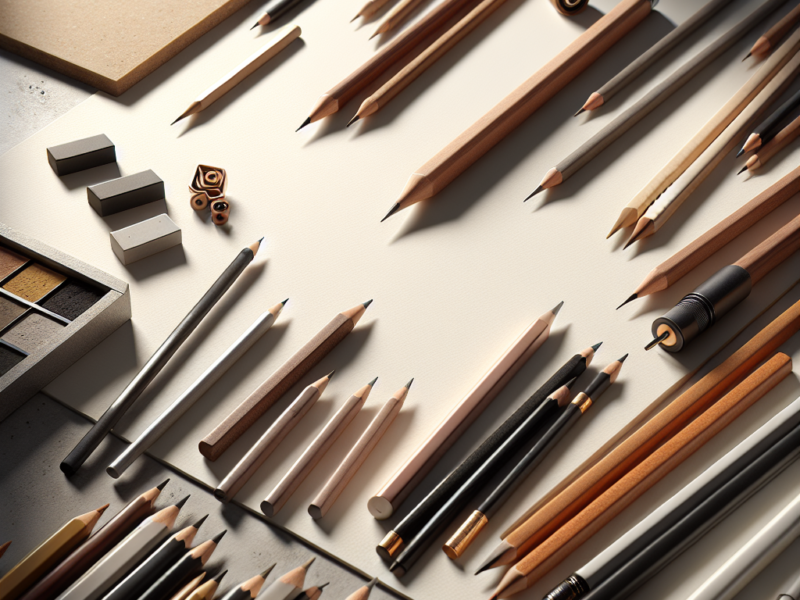
Artist Pencil Selection for Writing Comfort
When it comes to artist pencils, writing comfort is just as crucial as line quality and pigment performance. Whether you’re sourcing for schools, art supply retailers, or e-commerce platforms, understanding the ergonomic and material factors behind pencil design can give you a competitive edge. From selecting the right core hardness to optimizing the ergonomic grip and ensuring proper storage tips, the right pencil can make a significant difference in user satisfaction and repeat purchases.
As a professional OEM pencil manufacturer, we’ve worked with global brands to develop pencils that balance performance, comfort, and cost-efficiency. In this article, we’ll walk you through the key considerations for selecting artist pencils that are not only functional but also designed with writing comfort in mind.
- Writing comfort in artist pencils depends on grip design, core formulation, and barrel shape.
- Ergonomic grip and material choice are essential for long-term use in educational or professional settings.
- Proper storage tips help preserve lead integrity and prevent warping during shipping or display.
- Quality control and sourcing standards are critical when selecting a reliable pencil manufacturer.
Understanding Writing Comfort in Artist Pencils
Writing comfort is a combination of physical ergonomics, pencil balance, and core smoothness. For artists and students who use pencils for extended periods, discomfort can lead to hand fatigue or reduced precision. That’s why comfort-focused design is becoming a key differentiator in the B2B stationery market.
Key Factors Affecting Writing Comfort
- Grip Design: Ergonomic grip zones, such as triangular barrels or rubberized coatings, help reduce hand strain.
- Barrel Material: High-quality wood or eco-friendly polymers offer better tactile feel and control.
- Core Hardness: Softer leads (e.g., 2B to 6B) glide more smoothly, while harder leads (e.g., H to 4H) require more pressure and can cause fatigue.
Comfort-focused pencils are especially important for educational institutions and professional art studios. When sourcing, look for models that offer a balance between ergonomic design and aesthetic appeal.
Ergonomic Grip: A Critical Design Element
The pencil’s grip area is where comfort and functionality intersect. Triangular grips are widely used in educational settings to promote proper writing posture, while rubberized or silicone grips are favored in professional environments for extended use.
Popular Ergonomic Designs
- Triangular Barrels: Prevent rolling and promote correct finger placement.
- Soft-Grip Zones: Silicone or rubber overlays improve comfort and reduce slippage.
- Thicker Barrels: Ideal for young children or users with grip issues.
From a manufacturing standpoint, these features can be integrated during the molding or assembly process. OEM clients can specify grip materials, shapes, and textures during tooling design to align with their brand’s user experience goals.
Lead Core Composition and Smoothness
The graphite core is the heart of any artist pencil. Its composition directly affects both writing comfort and line quality. A smoother core reduces friction, allowing for longer use without hand fatigue.
Common Core Types
- Graphite: Standard for sketching and writing, available in a wide range of hardness grades.
- Charcoal: Offers rich, dark lines but requires more control and can be messier.
- Colored Wax/Oil-Based: Used for colored artist pencils; softer cores provide smoother application.
During production, core consistency is ensured through precise mixing of graphite, clay, and binder materials. Quality control teams test for break resistance, smoothness, and even pigment distribution. Softer cores (e.g., 2B, 4B) are typically preferred for writing comfort but may require reinforced bonding to prevent breakage.
Storage Tips for Longevity and Performance
Proper storage is critical for maintaining the quality of artist pencils, especially during transit and retail display. Exposure to moisture or extreme temperatures can warp wood casings or degrade the core material.
Best Practices for Pencil Storage
- Humidity Control: Store pencils in a dry environment (ideally 35–55% humidity) to prevent swelling or cracking.
- Temperature Stability: Avoid prolonged exposure to heat, which can soften wax-based cores or melt grip coatings.
- Protective Packaging: Use foam trays, cardboard sleeves, or metal tins to prevent breakage during shipping.
For distributors and importers, these storage tips help reduce product loss and ensure customer satisfaction. Many OEMs also offer packaging customization to include branding and additional protection features.
Sourcing Artist Pencils: What B2B Buyers Should Know
When sourcing artist pencils, writing comfort should be one of your top evaluation criteria. This is especially true for buyers targeting schools, art supply chains, or ergonomic product lines. Beyond comfort, consider the supplier’s production capacity, compliance certifications, and customization options.
Key Sourcing Considerations
- Material Quality: Use of FSC-certified wood, non-toxic pigments, and REACH-compliant coatings.
- Production Efficiency: Lead times, MOQ flexibility, and tooling capabilities for custom designs.
- Quality Control: In-line inspection, breakage tests, and ergonomic performance evaluation.
Working with experienced OEM factories ensures product consistency and allows for R&D collaboration. For example, we frequently help clients co-develop private label lines that focus on specific user niches like young learners or professional illustrators.
Quality Control in Pencil Manufacturing
Ensuring writing comfort starts on the production line. From core extrusion to barrel shaping and grip assembly, each step must meet strict tolerances to deliver a high-quality end product. Our factory implements a multi-point QC system to catch defects early and maintain consistency across batches.
QC Tests for Writing Comfort
- Core Centering: Ensures the lead is properly aligned to prevent breakage.
- Grip Adhesion: Verifies that rubber or silicone grips are securely bonded and won’t shift during use.
- Smoothness Test: Uses mechanical testers and human sampling to assess writing flow and resistance.
These measures are especially important when exporting to markets with strict safety and performance standards, such as the EU or North America. Clients can also request third-party audits or lab testing depending on their compliance needs.
Trends in Artist Pencil Design for Writing Comfort
As the demand for ergonomic and sustainable stationery grows, manufacturers are innovating in pencil design. From biodegradable coatings to hybrid grip materials, the focus is on enhancing user experience while meeting environmental goals.
Emerging Features
- Eco-Friendly Materials: Use of recycled polymers or plant-based coatings to reduce environmental impact.
- Anti-Fatigue Design: Contoured grips and balanced weight distribution for long writing sessions.
- Hybrid Cores: Combining graphite and wax for smoother glide with less smudging.
These innovations are particularly attractive to premium brands and educational suppliers looking to differentiate their product lines. By partnering with a factory that offers R&D support, you can stay ahead of market trends and consumer expectations.
Packaging and Display for B2B Channels
Packaging plays a dual role in protecting pencils and enhancing shelf appeal. For B2B buyers, packaging is also a branding opportunity. Whether you’re supplying to schools or online retailers, the right packaging can increase perceived value and improve product lifespan.
Packaging Options
- Cardboard Sleeves: Cost-effective and customizable for retail displays.
- Metal Tins: Premium feel with added protection for artist-grade sets.
- Eco Packs: Biodegradable or recyclable materials for sustainable branding.
We offer full packaging customization, including barcode integration, multilingual labeling, and anti-counterfeit features. This is particularly useful for importers and distributors who need to meet local regulatory or retail requirements.
Further Reading
For additional insights on SEO and content optimization strategies for stationery brands, see this helpful tutorial: How Beginners Can Rank Keywords Fast on Google (No Backlinks)
Conclusion
Writing comfort is no longer a luxury—it’s a necessity in the competitive artist pencil market. From ergonomic grip design to core formulation and packaging, every detail matters in delivering a product that users love and distributors trust. For B2B buyers, understanding these factors ensures better sourcing decisions and long-term customer satisfaction.
Looking to develop your own line of comfort-focused artist pencils? Contact our factory today to request samples or discuss custom OEM options tailored to your market needs.