
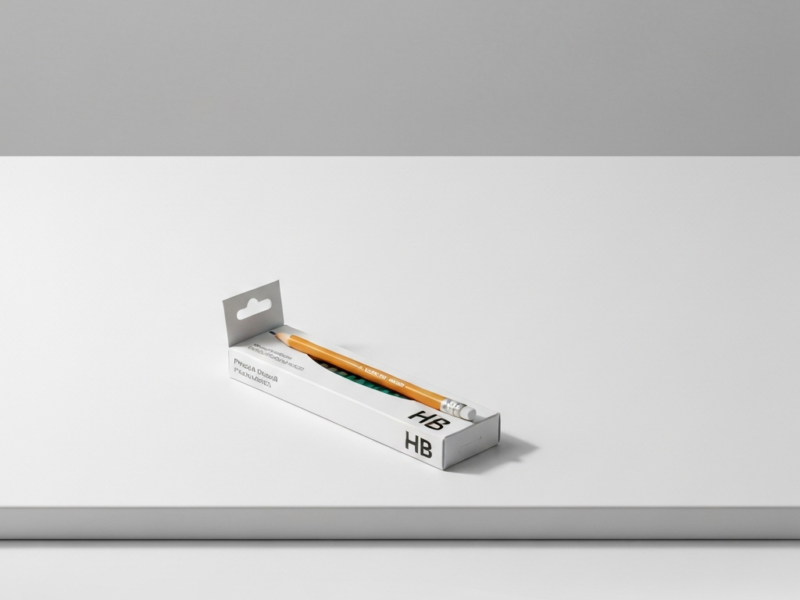
Evaluating the integrity of exterior coatings in regions prone to extreme thermal shifts requires more than just a visual inspection; it demands a standardized, scientific approach to measuring film hardness and adhesion. In environments where temperatures regularly plummet below freezing, the physical properties of a paint film undergo significant stress, making cold climate pencil QC a vital component of any industrial or commercial maintenance program. By utilizing the pencil hardness test—often referred to as the Wolff-Wilborn method—quality control technicians can determine the precise moment a coating has achieved its necessary cure state and whether it possesses the resilience to withstand the upcoming winter months.
The Critical Interplay Between Temperature and Coating Integrity
When we discuss the durability of exterior finishes in harsh environments, we are essentially discussing the battle against thermal expansion and contraction. In states like Wisconsin or throughout the Midwestern corridor, the transition from autumn to winter introduces a series of freeze-thaw cycles that can be devastating to substandard or improperly applied paint films. According to experts at Lakeshore Painting Co., the harsh winter climate specifically attacks exterior paint by exploiting vulnerabilities in the preparation phase and the quality of the materials used. This atmospheric assault leads to premature failures such as cracking and peeling, which are often the result of a paint film that has become too brittle to flex with the underlying substrate as it shrinks in the cold.
The role of cold climate pencil QC in this context is to provide a quantitative measure of a coating’s “mar resistance” and “scratch hardness.” As a coating cures, its chemical bonds tighten, increasing its resistance to physical deformation. In cold weather, this curing process is significantly delayed. If a technician or project manager relies on a standard drying schedule designed for 70°F (21°C), they risk subjecting a “green” or uncured film to moisture and freezing temperatures before it has reached its optimal hardness. This lack of hardness is exactly what leads to the catastrophic failures seen in the field, where the paint effectively loses its status as a protective barrier and becomes a cosmetic liability.
Material Science: Why Standard Paints Fail in the Cold
To understand why specific quality control measures are necessary, one must look at the chemical composition of traditional architectural coatings. Most standard water-based paints rely on a process called coalescence, where the liquid carrier evaporates and the polymer particles fuse together to form a continuous film. When temperatures drop, this process slows down dramatically. As noted by Armadillo Painting, freezing temperatures can literally freeze the water within water-based paints before the film has fully formed, causing irreversible damage to the chemical structure. This disruption results in a weak, porous film that lacks the density required to pass a cold climate pencil QC protocol.
Furthermore, cold weather alters the viscosity of the paint, making it thicker and more difficult to apply in the uniform thickness required for maximum protection. A coating that is applied too thick in cold weather may skin over at the surface while remaining soft underneath. This creates a deceptive finish that looks cured but will fail the pencil hardness test immediately. The pencil test involves pushing pencils of known hardness (ranging from 6B to 9H) across the surface at a 45-degree angle. If a 2H pencil gouges the surface when the specification requires a 4H, the technician knows the film formation is incomplete, signaling that the coating is not yet ready to face environmental stressors.
Advancements in Cold Weather Coating Technology
The industry has moved beyond the “wait until spring” mentality by developing specialized coatings engineered to cure in temperatures that would halt traditional projects. Industrial painting leaders like Alpine Painting highlight the use of moisture-cured urethanes, which can cure in temperatures as low as 20°F (-6.7°C). Unlike traditional paints, these coatings utilize ambient moisture to accelerate the cross-linking process, making them ideal for winter applications where traditional evaporation-based curing is impossible. For a technician performing cold climate pencil QC, these materials offer a unique challenge and opportunity, as they often reach high levels of hardness much faster than their standard counterparts despite the low ambient temperature.
Other innovations include low-temperature epoxies and polysiloxanes. These materials are formulated with specific catalysts that remain active even when the substrate is cold. This ensures that the coating achieves the “grain crack resistance” and superior adhesion mentioned by BASF as essential properties for winter survival. Without these specialized chemistries, the internal structure of the coating cannot withstand the stresses of thermal cycling. The pencil test serves as the field-level verification that these high-tech coatings are performing as advertised on the job site.
Comparison of Cold Weather Coating Types
| Coating Type | Minimum App Temperature | Curing Mechanism | Pencil Hardness Potential | Key Advantage |
|---|---|---|---|---|
| Moisture-Cured Urethane | 20°F (-7°C) | Reaction with Humidity | 3H – 5H | Rapid cure in low temps |
| Low-Temp Epoxy | 35°F (2°C) | Chemical Catalyst | 4H – 7H | Excellent chemical resistance |
| Acrylic Latex (Cold Rated) | 35°F (2°C) | Coalescence Additives | F – H | Ease of application |
| Polysiloxane | 30°F (-1°C) | Hybrid Cross-linking | 5H – 9H | Superior UV and cold resistance |
The Precision of the Pencil Hardness Test in QC Workflows
In the world of cold climate pencil QC, the pencil itself is a precision instrument. For a test to be valid according to ASTM D3363 or ISO 15184, the pencils used must have consistent lead composition. Manufacturing high-quality QC pencils involves a rigorous process where the ratio of graphite (the lubricant) to clay (the binder) is strictly controlled. In cold weather, the technician must ensure that the pencils themselves are kept at a stable temperature, as extreme cold can make the lead more brittle, potentially leading to false results during the scratch test.
The workflow for a typical cold-weather QC check involves several distinct steps. First, the surface temperature of the substrate must be measured using an infrared thermometer to ensure it meets the coating manufacturer’s minimum requirements. Once the coating has been applied and allowed to dry for the specified interval, the technician selects the hardest pencil (9H) and moves down the scale toward the softer end (9B). The cold climate pencil QC grade is determined by the hardest pencil that does not cut or gouge the film. This data point is critical for deciding whether a structure can be returned to service or if additional heating and curing time is required.
Mastering the Winter Challenge: Application and Adhesion
Modern painting practices have evolved to the point where winter exterior painting is not just possible, but highly effective when managed correctly. As discussed by Cochran & Mann, the use of products effective down to 35°F (1.7°C) allows projects to move forward without sacrificing quality. However, “mastering” the challenge involves more than just buying the right bucket of paint. It requires an understanding of how cold affects the substrate’s surface energy and the coating’s ability to “wet out” or penetrate the surface profile. If a coating cannot achieve a deep mechanical bond, its hardness—as measured by the pencil test—becomes irrelevant because the entire film will eventually delaminate.
During a cold climate pencil QC session, the technician often performs a cross-hatch adhesion test in conjunction with the pencil hardness test. This involves cutting a grid into the coating and applying specialized pressure-sensitive tape to see if any squares of paint are removed. In cold climates, a film might pass the hardness test (showing it is cured) but fail the adhesion test because the substrate was too cold or damp at the time of application. This dual-testing approach is the only way to guarantee the long-term protection of industrial assets in northern latitudes.
The Synergy of Moisture and Cold: A Preventative Approach
One of the most significant insights regarding winter coating failure is the synergistic effect of moisture and freezing air. As highlighted by Get Pro Painting, cold air combined with moisture dramatically exacerbates existing surface problems. A minor hairline crack that might be inconsequential in the summer becomes a major entry point for water in the winter. Once that water freezes, it expands, widening the crack and putting immense pressure on the surrounding paint film. This is why performing cold climate pencil QC during autumnal maintenance is so vital; it ensures that any repairs made before the first freeze have reached their full protective hardness.
Strategic timing is the hallmark of a professional maintenance cycle. By identifying areas of potential failure in the late summer and applying cold-weather-rated coatings in the early fall, facility managers can ensure that the coating has ample time to reach its terminal hardness. The pencil test provides the benchmark for this success. If a maintenance team applies a patch in October, they can use cold climate pencil QC to verify that the patch is as hard as the original coating, ensuring a seamless barrier against the upcoming winter moisture.
Grain Crack Resistance and Material Longevity
The technical backbone of winter durability lies in the property of “grain crack resistance.” This is a term used by chemical manufacturers like BASF to describe a coating’s internal resilience. When a building’s substrate—whether it be steel, wood, or concrete—contracts in the cold, the coating must be able to withstand that internal tension without developing micro-fractures. If a coating is too hard (too high on the pencil scale), it may be too brittle and crack. If it is too soft, it may not provide enough protection against the abrasive force of wind-blown ice and snow. Finding the “sweet spot” in the cold climate pencil QC range is essential for engineers and specifiers.
Typically, an exterior architectural coating might target a pencil hardness of “F” to “H” on the scale. This range provides enough flexibility to handle the substrate’s movement while remaining hard enough to resist surface damage. For industrial equipment or bridges, the requirement might be much higher, necessitating the use of the specialized urethanes and epoxies mentioned earlier. Regardless of the target, the consistent application of the pencil test ensures that the “grain” of the coating is properly formed and ready for service.
Step-by-Step Workflow for Field Pencil QC in Cold Conditions
- Substrate Verification: Use a thermometer to confirm the substrate is at least 5°F above the dew point to prevent moisture interference.
- Visual Assessment: Check for signs of “blushing” or “blooming,” which are common in cold weather and indicate moisture trapped in the curing film.
- Pencil Preparation: Sharpen QC-grade pencils and sand the tips to a flat, cylindrical shape using 400-grit sandpaper to ensure a standard contact area.
- Initial Scratch: Begin with a pencil two grades harder than the specification (e.g., if 2H is required, start with 4H) to find the upper limit of the coating.
- Keyword Validation: Record all results in the cold climate pencil QC log, noting the ambient temperature and humidity at the time of the test.
- Adhesion Cross-Check: Perform a tape-pull test near the pencil scratch site to verify that hardness and adhesion are
Related Reading
- Effective Pencil Cracking Prevention in Extreme Weather Conditions
- Humidity Control Pencils: Secure Quality, Prevent Loss
- Pencil Coating Adhesion: Strength & Testing Explained
- Prevent Color Migration in Pencil Coating Processes
- Preventing Paint Peeling in Mechanical Pencil QC
- Essential Guide to Varnish Pencil Coating Types
- Drafting Your Pencil Moisture Report
- How Factories Prevent UV Fading in Pencils