
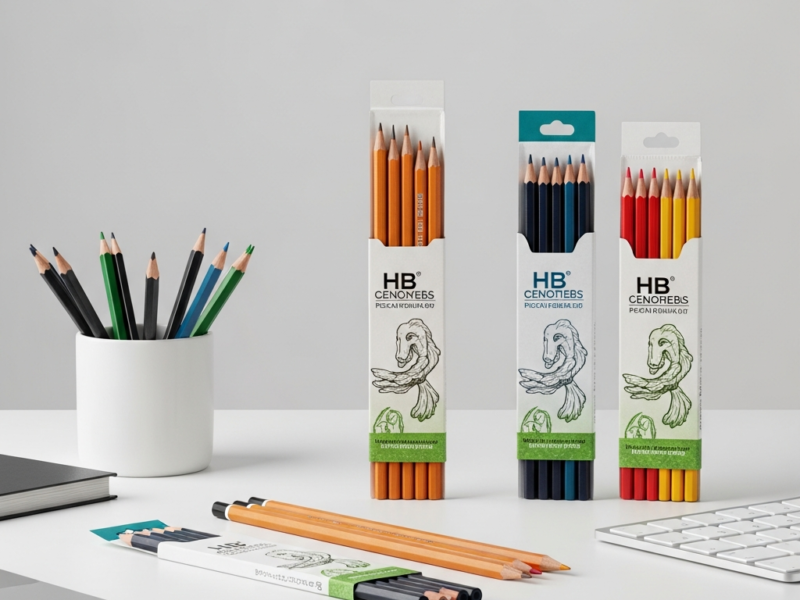
The global stationery market is currently undergoing a profound transformation as manufacturers and consumers alike prioritize environmental stewardship over traditional material choices. For decades, the pencil industry relied heavily on Incense Cedar, but as old-growth forests face increasing pressure and availability fluctuates, the industry has turned its attention to a more resilient alternative. Basswood has emerged not just as a functional substitute, but as the premier choice for high-quality pencil production due to its unique combination of ecological benefits and superior machining characteristics. Understanding the shift toward a sustainable basswood supply requires a deep dive into the botanical properties of the Tilia genus and the intricate requirements of the pencil manufacturing workflow.
The Environmental Imperative: Why Basswood Leads the Way
Sustainability in the timber industry is often measured by the rate of regeneration versus the rate of harvest. Basswood trees, specifically those in the Tilia genus, are recognized for their impressive growth rates and their ability to thrive in diverse temperate climates across North America and Eurasia. Unlike many slow-growing hardwoods that take nearly a century to reach maturity, basswood can be harvested in much shorter cycles, ensuring that forest covers are maintained and ecosystems remain balanced. This rapid growth is a cornerstone of maintaining a consistent and sustainable basswood supply for global markets.
Beyond just growth rates, the ecological impact of basswood is significant in the context of climate change mitigation. Research into the species reveals that basswood trees are highly efficient at carbon sequestration, acting as natural carbon sinks that absorb atmospheric CO2 throughout their lifespan. When managed through responsible forestry practices, these trees contribute to a cyclical model of renewal where the harvest of mature timber facilitates the growth of new saplings. For a detailed breakdown of these ecological benefits, industry experts often point to the insights provided by Impactful Ninja, which highlights how basswood regeneration supports long-term forest health.
Historical Context and the Shift from Cedar
Historically, Incense Cedar was the gold standard for pencil making because of its soft grain and pleasant aroma. However, as demand for high-end stationery grew, the limitations of cedar became apparent, particularly regarding the ethical concerns of harvesting from old-growth forests. The scarcity of high-grade cedar has led to price volatility and supply chain instability, forcing manufacturers to look for a more dependable material. This is where basswood proved its worth, particularly in major manufacturing hubs like China, where it has been the preferred material for wood-cased pencils for approximately a century.
The transition to basswood was not merely a reaction to scarcity but a strategic move toward a more stable industrial future. By integrating basswood into their production lines, companies have been able to secure a reliable sustainable basswood supply that avoids the environmental pitfalls of over-harvesting rare species. This long-standing historical preference, especially in large-scale production, is documented by industry leaders like CalCedar, who note the material’s consistent performance over the last hundred years. This legacy of reliability gives modern brands the confidence to market basswood pencils as a premium, time-tested product.
Technical Advantages in Pencil Manufacturing
From a manufacturing perspective, a pencil is more than just a piece of wood with lead inside; it is a precision-engineered tool. The wood must be soft enough to sharpen easily without splintering, yet firm enough to protect the fragile graphite core. Basswood excels in this regard because of its tight, uniform grain structure and low density. These characteristics allow for clean cuts during the slat-making process, ensuring that the grooves for the leads are perfectly aligned and the final product is aesthetically pleasing.
One of the most overlooked benefits of basswood is its minimal resin content. Unlike many coniferous woods that contain sticky resins and oils, basswood is remarkably clean. This lack of resin is crucial for several reasons: it prevents the wood from warping over time, ensures that paints and lacquers adhere smoothly to the surface, and prevents any chemical interference with the graphite core. Expert carvers and manufacturers alike value this “clean” nature of the wood, a sentiment echoed by BeaverCraft, who highlight its excellent workability and stability. For the manufacturer, this means fewer defects and a more efficient production line, further reinforcing the value of a sustainable basswood supply.
Comparing Pencil Woods: A Technical Overview
To understand why basswood is often favored over other species, it is helpful to look at how it compares to common alternatives in terms of physical properties and environmental impact. The following table illustrates the key differences between the most common wood types used in the stationery industry today.
| Property | Basswood (Tilia) | Incense Cedar | Generic Softwoods (Pine/Poplar) |
|---|---|---|---|
| Growth Rate | Fast | Slow to Moderate | Fast |
| Grain Texture | Very Fine/Uniform | Fine/Straight | Coarse/Varying |
| Resin Content | Minimal | High (Aromatic Oils) | Moderate to High |
| Sharpenability | Excellent | Excellent | Fair to Poor (Splinter-prone) |
| Sourcing Stability | High Stability | Increasing Scarcity | High Stability |
| Eco-Impact | Low (Highly Renewable) | High (Old Growth Risk) | Moderate |
As the table demonstrates, while Incense Cedar offers excellent sharpenability, its ecological impact and sourcing stability make it less viable for the mass market in the long term. Generic softwoods like pine are often too fibrous or resinous, leading to a poor user experience. Basswood occupies the “sweet spot” of the industry, offering the performance of high-end cedar with the environmental profile of a rapidly renewable resource. This balance is a primary reason why manufacturers like Durzerd Pencil advocate for it as the superior choice for modern high-end stationery.
Economic Stability and Supply Chain Resilience
In the world of global trade, material costs can fluctuate wildly based on environmental regulations and geopolitical shifts. For pencil manufacturers, maintaining a stable price point for consumers requires a predictable raw material cost. Because basswood is abundant and grows in regions with well-established forestry infrastructures, it provides an economic buffer against the price spikes seen in the cedar market. A sustainable basswood supply allows manufacturers to plan their production cycles years in advance, ensuring that they can meet global demand without compromising on quality or ethics.
Furthermore, the workability of basswood reduces the energy consumption of manufacturing facilities. Because it is a relatively soft hardwood, it requires less power to saw, plane, and groove than denser alternatives. This ease of processing not only lowers the carbon footprint of the production facility but also extends the life of the cutting tools used in the factory. According to the Wood Database, basswood’s lightness and soft nature make it one of the most economically viable hardwoods for mass-produced items where consistency is paramount. This economic efficiency is a direct result of the wood’s inherent biological properties.
The Workflow: From Basswood Log to Finished Pencil
The journey from a standing tree to a student’s desk involves a sophisticated series of steps designed to maximize the utility of every cubic inch of wood. Understanding this workflow explains why a sustainable basswood supply is so integral to the industry’s success. The process begins with ethical harvesting, followed by the transport of logs to specialized slat mills.
- Slat Production: The logs are cut into thin “slats,” which are the rectangular blocks that eventually become the pencil casing.
- Kiln Drying: The slats are dried to a precise moisture content (typically between 6% and 10%) to prevent future warping or shrinking.
- Waxing and Staining: Basswood is often treated with a paraffin wax to further enhance its sharpenability and dyed to achieve the classic “pencil cedar” look.
- Grooving: Precise channels are cut into the slats to hold the graphite leads.
- Gluing and Sandwiched: Two slats are glued together with the leads in the middle, creating a “sandwich” that is then cut into individual pencils.
- Finishing: The pencils are sanded, painted with multiple layers of lacquer, and tipped with erasers.
Throughout this entire process, the uniformity of basswood ensures that each step is repeatable with high precision. Any variation in the wood grain could lead to a pencil that breaks during sharpening or a lead that is off-center, making the consistency of the sustainable basswood supply a critical factor in quality control.
Consumer Perception and the Value of Transparency
Modern consumers, particularly in the art and education sectors, are increasingly inquisitive about the origins of their tools. They are no longer satisfied with just a functional product; they want to know that their purchase did not contribute to deforestation or habitat loss. Brands that are transparent about their use of basswood can leverage its sustainability as a key marketing advantage. By highlighting the regenerative nature of basswood and its role in carbon sequestration, companies build trust and brand loyalty among eco-conscious demographics.
The versatility of basswood also plays into its positive perception. While it is the backbone of the pencil industry, it is also a favorite in the woodworking and carving communities due to its forgiving nature. This cross-industry endorsement strengthens the narrative that basswood is a “friendly” and ethical material. As noted by Exotic Wood Zone, its accessibility and low environmental impact make it a natural frontrunner for those prioritizing ethical sourcing. When consumers see a pencil made of basswood, they are seeing a product that represents the future of responsible manufacturing.
The Future of Sustainable Stationery
As we look toward the next several decades, the pressure on natural resources will only intensify. The stationery industry must continue to innovate to remain relevant and responsible. The adoption of a sustainable basswood supply is a major step in this direction, providing a blueprint for how other industries might pivot away from endangered materials toward more resilient alternatives. The transition is not just about choosing a different wood; it is about embracing a holistic approach to manufacturing that considers the entire lifecycle of the product.
Innovation in basswood processing continues to evolve, with new staining techniques and sharpening enhancements making it indistinguishable from traditional cedar in terms of performance. As technology improves, the efficiency of the basswood supply chain
Related Reading
- Basswood for Clean Sharpening: The Ideal Choice
- Material Sourcing Pencils: Essential Guide for OEM Buyers
- Basswood vs Poplar: Key Factors for Importers
- Kiln-Dried Wood Pencils: Ensuring Stability and Quality
- The Importance of Consistent Wood Grain in Basswood Pencils
- Pencil Slats Manufacturing: A Comprehensive Guide
- Understanding the Global Pencil Supply Chain