
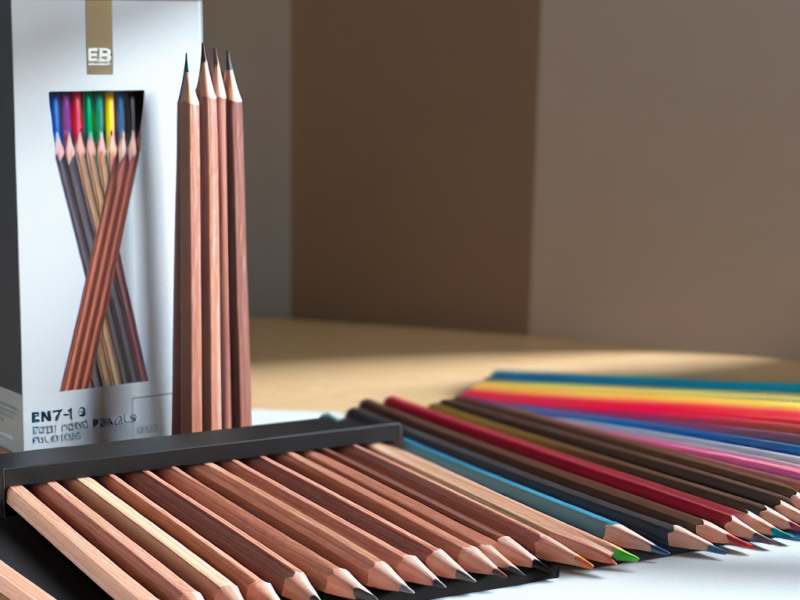
When it comes to manufacturing pencils, especially those intended for children, safety is not just a regulatory checkbox—it’s a core responsibility. Among the most critical safety standards in the European Union is EN71-3, a regulation that specifies the permissible levels of heavy metals that can migrate from toys and art materials into the human body. For manufacturers of pencils, understanding and complying with EN71-3 heavy metals pencils testing is essential not only for legal compliance but also for protecting young users and preserving brand integrity. In a market where consumer awareness of product safety is rapidly increasing, adherence to EN71-3 is no longer optional—it’s a competitive necessity.
What Is EN71-3 and Why It Matters for Pencils
EN71-3 is part of the broader EN 71 series, a set of European standards created to ensure the safety of toys. Specifically, Part 3 addresses the migration of certain hazardous elements—commonly heavy metals—when a child might mouth, suck, or ingest parts of a toy or art material. Pencils, though often overlooked, fall squarely within this category, particularly colored pencils and graphite pencils used by children in schools and homes.
The regulation sets strict limits on 19 elements, including lead, cadmium, arsenic, mercury, and chromium. These substances, even in trace amounts, can pose serious health risks to children, whose developing bodies are especially vulnerable to toxic exposure. EN71-3 testing evaluates how much of these metals can “migrate” from the pencil into the body under simulated conditions, such as saliva or stomach acid exposure.
Heavy Metals Covered Under EN71-3
The EN71-3 standard focuses on the migration of toxic elements rather than their total content. Here’s a simplified table showing some of the key heavy metals and their migration limits:
| Element | Migration Limit (mg/kg) | Health Concern |
|---|---|---|
| Lead (Pb) | 2.0 | Neurotoxicity, developmental delays |
| Cadmium (Cd) | 0.3 | Kidney damage, carcinogenicity |
| Arsenic (As) | 0.9 | Skin lesions, cancer risk |
| Mercury (Hg) | 0.5 | Neurological damage |
| Chromium VI (Cr VI) | 0.02 | Respiratory issues, carcinogenicity |
These limits are designed to reflect realistic exposure scenarios, emphasizing the importance of not just raw material purity but also final product formulation and stability.
How EN71-3 Testing Works for Pencils
The process of EN71-3 testing involves simulating the conditions under which a child might be exposed to harmful substances. In a certified lab, pencil samples undergo a series of extractions using artificial saliva, gastric fluid, or sweat solutions. The resulting extracts are then analyzed using techniques such as Inductively Coupled Plasma Mass Spectrometry (ICP-MS) or Atomic Absorption Spectroscopy (AAS) to determine the concentration of each regulated element.
For pencils, common test targets include the paint on the barrel, the core (graphite or pigment), and any decorative coatings. Even small components like ferrules or erasers can be subject to testing if they are accessible or mouthable. The comprehensive nature of the test ensures that all potential exposure routes are evaluated.
Why This Matters for Pencil Manufacturers
Failing to comply with EN71-3 can have serious consequences, ranging from product recalls and import bans to reputational damage and legal liability. But beyond risk mitigation, there are compelling business reasons to prioritize compliance:
- Market Access: EN71-3 compliance is mandatory for selling pencils in the EU. Without certification, your products cannot legally enter key European markets.
- Consumer Trust: Parents, schools, and retailers increasingly demand proof of safety. A certified product communicates responsibility and transparency.
- Brand Differentiation: In a crowded marketplace, safety compliance can be a unique selling proposition. It shows that your brand prioritizes health and quality.
According to a recent article, manufacturers who implement rigorous testing protocols not only meet regulatory requirements but also build long-term brand equity by demonstrating a commitment to safety.
Raw Materials: A Critical Control Point
One of the most effective ways to ensure EN71-3 compliance is by starting with safe, traceable raw materials. Pigments, binders, and coatings must be sourced from suppliers who can provide detailed safety data sheets and prior test reports. Pre-testing raw materials can prevent costly redesigns or production delays later in the process.
For example, some traditional pigments—especially reds and yellows—may contain cadmium or lead-based compounds. Switching to synthetic organic pigments or certified non-toxic alternatives can significantly reduce risk. Similarly, using water-based coatings instead of solvent-based paints can minimize the presence of volatile or heavy contaminants.
Best Practices for Compliance in Pencil Manufacturing
To meet EN71-3 requirements consistently, manufacturers should adopt a systematic approach to quality control. Here’s a typical workflow:
- Material Qualification: Vet all raw materials for compliance and request third-party test reports.
- Batch Sampling: Regularly sample production batches for internal testing or third-party lab analysis.
- Process Control: Monitor manufacturing conditions (e.g., temperature, pH) that can affect material stability.
- Documentation: Maintain detailed records of material sources, test results, and compliance certificates.
- Third-Party Certification: Work with accredited labs to obtain official EN71-3 reports for each product line.
These steps not only ensure compliance but also create a robust quality management system that can withstand audits and inspections.
Comparing EN71-3 with Other Standards
While EN71-3 governs the European market, other regions have their own safety frameworks, such as ASTM F963-17 in the United States. Both standards aim to limit exposure to toxic elements, but they differ in methodology and permissible limits.
| Standard | Region | Focus | Testing Method |
|---|---|---|---|
| EN71-3 | European Union | Migration of 19 elements | Artificial fluids (saliva, stomach acid) |
| ASTM F963-17 | United States | Total content of 8 elements | Acid digestion and analysis |
Manufacturers aiming for global distribution should consider dual testing to meet both EN71-3 and ASTM standards. A comprehensive compliance strategy not only ensures safety but also streamlines market expansion.
Real-World Impacts of Non-Compliance
The consequences of failing EN71-3 testing can be severe. In recent years, several pencil and crayon brands have faced product recalls and import bans due to excessive levels of lead or cadmium. These incidents not only incur financial losses but also erode consumer trust.
For example, a 2021 recall in the EU market involved a batch of colored pencils found to contain lead levels exceeding the EN71-3 limit. The affected products were removed from shelves, and the manufacturer faced legal scrutiny and public backlash. Such cases underscore the importance of proactive compliance and continuous monitoring.
Benefits Beyond Compliance
While the primary goal of EN71-3 is to protect children from toxic exposure, its benefits extend to the entire supply chain:
- OEM Partnerships: Brands looking to outsource pencil production often require EN71-3 certification as a baseline for supplier selection.
- Retail Confidence: Large retailers and distributors prefer working with manufacturers who can demonstrate robust safety protocols.
- Consumer Loyalty: Parents and educators are more likely to repurchase from brands they trust to be safe and responsible.
As highlighted in the API safety guide, compliance is not just a legal requirement—it’s a strategic advantage that can drive long-term growth.
Conclusion: Prioritizing Safety in Every Pencil
In the world of children’s stationery, safety is the foundation of quality. The EN71-3 heavy metals pencils standard provides a clear, science-based framework for ensuring that products are safe for young users. For manufacturers, compliance is more than a regulatory hurdle—it’s an opportunity to build trust, enhance product quality, and strengthen market position.
By investing in rigorous testing, responsible sourcing, and transparent documentation, pencil makers can not only meet today’s safety expectations but also lead the industry in ethical manufacturing. In doing so, they protect not just their consumers—but their brand’s future as well.
For further reading on compliance and testing procedures, visit this guide to stationery safety or explore the full EN71-3 standard here.