
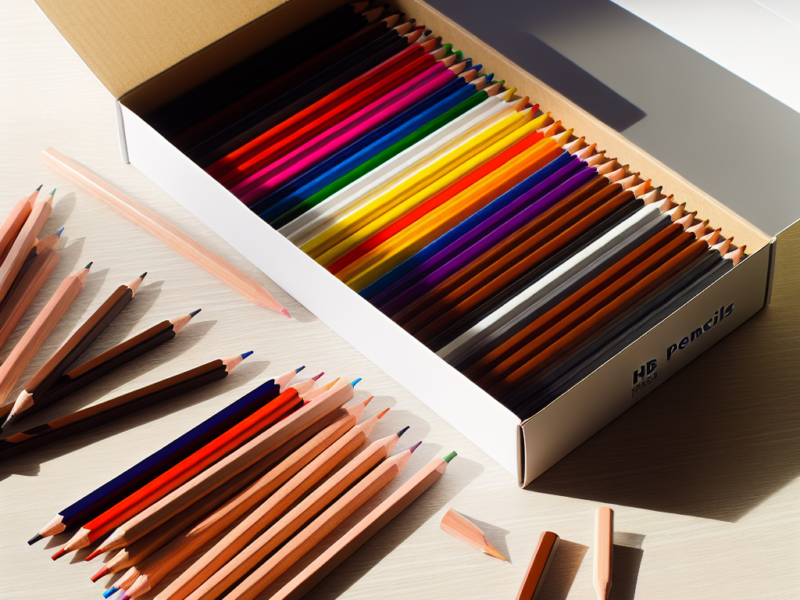
Few things frustrate artists and pencil enthusiasts more than a pencil lead snapping mid-sharpen. Whether you’re sketching a masterpiece or simply jotting down notes, core breakage during sharpening can interrupt your flow and waste valuable materials. Understanding why this happens—and how to prevent it—can make a significant difference in your creative process and tool longevity. This article explores the causes behind pencil lead breakage and provides expert-backed tips to help you sharpen smarter and more effectively.
Why Pencil Leads Break During Sharpening
At the heart of the issue is the pencil’s core—commonly referred to as the “lead,” though it’s actually a mixture of graphite and clay. This core is fragile by nature, but several factors can increase its vulnerability during sharpening. These include poor manufacturing, improper sharpening techniques, and even environmental conditions.
One of the most overlooked causes is internal damage that occurs before the pencil is ever used. Dropping a pencil or subjecting it to rough handling can fracture the core inside the wood casing, even if the exterior looks intact. Once fractured, the lead is more likely to break during sharpening, especially if using a subpar sharpener or applying uneven pressure.
The Role of Manufacturing Quality
Not all pencils are created equal. High-quality pencils are designed with durability in mind, especially when it comes to the bond between the core and the wooden casing. According to Durzerd Pencil’s article on factory testing, one of the key factors in preventing breakage is the use of strong adhesives during manufacturing. These adhesives securely bond the graphite core to the surrounding wood, reducing movement and stress that can lead to cracking during sharpening.
In contrast, low-quality pencils often skimp on this adhesive bond, resulting in a loosely held core that’s more prone to snapping. Factories that prioritize quality control will also test their pencils across different sharpener types to ensure consistent performance. This level of attention to detail can significantly reduce the likelihood of core breakage in the hands of consumers.
Common Sharpening Mistakes That Cause Breakage
Even the best pencil can break if sharpened incorrectly. Here are some frequent user errors that contribute to core breakage:
- Using dull or poor-quality sharpeners: A dull blade tears rather than slices the wood, putting unnecessary stress on the core.
- Over-sharpening: Sharpening a pencil to an excessively long, thin point increases the risk of snapping during use.
- Twisting the pencil instead of the sharpener: This uneven pressure can fracture the core inside the casing.
- Sharpening too quickly: Rushing through the process increases the likelihood of applying uneven pressure, which can crack the core.
Sharpening Techniques That Minimize Breakage
Proper technique can go a long way in preserving your pencil’s integrity. Here are some expert-approved methods for reducing breakage during sharpening:
- Use a high-quality sharpener: Choose a sharpener with a sharp, replaceable blade and a smooth rotation mechanism. Manual sharpeners with a helical (crank-style) design are often gentler on pencils than electric models.
- Rotate the sharpener, not the pencil: This ensures even pressure and reduces internal stress on the core.
- Sharpen slowly and steadily: A controlled pace allows for a cleaner cut and minimizes jarring movements that can damage the core.
- Stop once the tip is sharp: Avoid over-sharpening, which can expose too much fragile lead.
In her guide on colored pencil care, artist Erika Joanne recommends sharpening new pencils immediately after purchase to remove any weakened material from the manufacturing process. Her article, “10 Tidbits for Sharpening Prismacolors”, also notes that using a hand-held sharpener with a wide blade angle can help create a sturdier tip.
Choosing the Right Sharpener
Not all sharpeners are suitable for every pencil type. Artists using soft-core colored pencils, like Prismacolors, need a sharpener that minimizes friction and avoids breaking the delicate core. Here’s a comparison of common sharpener types:
| Sharpener Type | Best For | Pros | Cons |
|---|---|---|---|
| Manual Handheld | General use, travel | Portable, affordable | Blade dulls quickly, inconsistent results |
| Crank-Style (Helical) | Studio work, consistent sharpening | Even sharpening, less breakage | Bulky, more expensive |
| Electric Sharpener | High-volume use | Fast, convenient | Can overheat or oversharpen |
| Knife Sharpening | Artistic control | Custom tip shape, minimal vibration | Requires skill, risk of injury |
Repairing a Broken Core
If you suspect internal lead breakage, all is not lost. A popular tip shared in the Coloring Books for Adults Facebook group involves gently heating the pencil to re-soften the adhesive and allow the core to reset. Simply place the pencil on a sunny windowsill or near a warm (not hot) surface for a few minutes. This technique can sometimes restore the bond between the core and casing, reducing future breakage.
Environmental Factors to Consider
Temperature and humidity can also impact pencil performance. For example, extreme cold can make the core more brittle, while high humidity may soften the wood or adhesive. Store your pencils in a stable, dry environment to maintain their structural integrity. Avoid leaving them in cars, near windows, or in fluctuating temperatures for extended periods.
How Factories Test Pencil Sharpenability
Behind every high-quality pencil is a rigorous testing process. According to Durzerd Pencil, manufacturers use a variety of sharpeners during quality control to evaluate how well a pencil holds up under different conditions. These tests assess:
- Core integrity after multiple sharpenings
- Adhesion strength between the core and wood
- Sharpening angle and blade compatibility
Such testing ensures that the final product can withstand real-world use, especially by artists who demand reliability from their tools. When choosing pencils, look for brands that mention quality control or testing in their product descriptions—it’s often a sign of superior craftsmanship.
Tips for Colored Pencil Users
Colored pencils, especially those with wax-based cores, are more prone to breakage. Here are a few additional tips tailored for artists:
- Use a sharpener with a wide-angle blade to expose more wood and less core.
- Opt for pencils with a thick casing that offers better protection for the soft core.
- Store pencils horizontally to distribute internal pressure evenly.
- Label and rotate your pencils to avoid wearing down one side more than another.
These practices can help extend the life of your colored pencils and reduce frustration during sharpening sessions.
Understanding User Frustrations
On platforms like Quora, users frequently share their struggles with pencil breakage, often blaming themselves for being too rough. But the reality is more nuanced. The combination of pencil quality, sharpening technique, and environmental factors all play a role. By understanding these variables, users can take control of their experience and reduce the chances of breakage.
Final Thoughts: Sharpen Smarter, Not Harder
Preventing core breakage during sharpening is a matter of combining the right tools, techniques, and product choices. From selecting well-manufactured pencils with strong adhesive bonds to using the correct sharpener for your specific needs, each step can make a noticeable difference. Artists and hobbyists alike will benefit from taking a more mindful approach to pencil care—one that prioritizes long-term performance over short-term convenience. With these tips, you can spend less time dealing with broken leads and more time creating with confidence.