
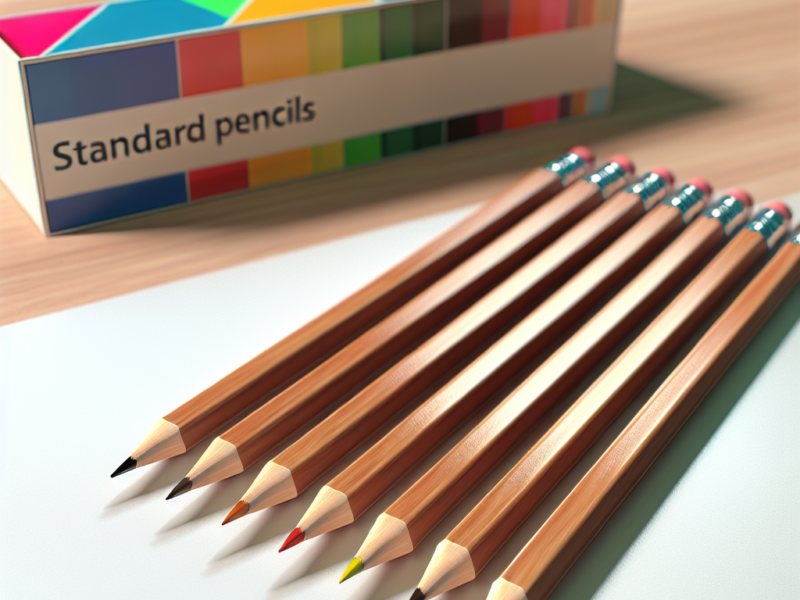
In the world of high-quality pencil manufacturing, every detail matters—from the graphite core to the lacquer finish. Yet one of the most critical, often overlooked components is the wood itself. Specifically, the use of kiln-dried wood pencils has become a gold standard in the industry, ensuring not only the structural integrity of the pencil but also its performance, longevity, and environmental adaptability. This article explores why kiln-dried wood is essential for pencil quality, how the drying process works, and what it means for manufacturers and consumers alike.
Why Moisture Matters in Pencil Wood
Wood is a hygroscopic material, meaning it naturally absorbs and releases moisture depending on its environment. This fluctuation can cause wood to expand, contract, warp, or crack—undesirable traits in precision products like pencils. Moisture instability leads to manufacturing defects, poor sharpening performance, and even breakage during use. That’s where kiln drying comes in. By reducing the moisture content of wood to a stable 6–8%, kiln drying ensures the wood maintains its shape and strength under varying environmental conditions.
Understanding the Kiln Drying Process
Unlike air drying, which can take months and produce inconsistent results, kiln drying is a controlled process that uses heat, airflow, and humidity regulation to extract moisture uniformly from lumber. According to Wagner Meters, this method allows manufacturers to dry wood efficiently and predictably, improving its workability and durability. For pencil production, this translates into fewer internal stresses, better machining performance, and a smoother finish.
Benefits of Kiln-Dried Wood for Pencils
Using kiln-dried wood in pencil manufacturing offers several key advantages that directly impact product quality and user experience:
| Benefit | Description |
|---|---|
| Dimensional Stability | Prevents warping and cracking during storage and use. |
| Improved Machinability | Allows for precise cutting, shaping, and grooving during pencil production. |
| Smooth Sharpening | Reduces splintering and breakage when pencils are sharpened. |
| Enhanced Durability | Increases resistance to environmental stress, pests, and fungi. |
| Consistent Quality | Ensures uniformity across production batches, vital for OEM standards. |
Why Pencil Manufacturers Prefer Kiln-Dried Wood
Pencil manufacturers prioritize kiln-dried wood because it offers a reliable foundation for mass production without sacrificing quality. The reduced moisture content minimizes the risk of core misalignment and casing failure. As noted by Mann Tool, kiln drying enhances wood’s structural integrity, which is crucial when precision is required for grooving and gluing the graphite core. Stable wood also means fewer defects during automated processing, reducing waste and improving production efficiency.
Common Woods Used in Kiln-Dried Pencils
Not all woods are created equal when it comes to pencil making. The species selected must be soft enough to sharpen easily but strong enough to hold the core securely. Here are the most common kiln-dried woods used in high-quality pencils:
- Incense Cedar – The industry standard, known for its fine grain and easy machinability.
- Basswood – A cost-effective alternative with good sharpening properties.
- Jelutong – Popular in Asian markets, offers a smooth finish and consistent texture.
- Poplar – Used in budget pencils, kiln drying helps improve its workability.
The choice of wood, combined with proper kiln drying, directly influences the pencil’s tactile quality and performance.
How Kiln Drying Enhances Manufacturing Precision
Precision is paramount in pencil production. The grooves that hold the graphite core must be milled with micrometer accuracy. Kiln-dried wood, with its uniform moisture content, allows for this level of precision. According to Mountain Dog Millworks, uniform drying minimizes internal stresses that can cause warping or splitting during machining. This stability is essential for ensuring that the graphite is centered properly and that the pencil casing remains intact during sharpening and use.
Workflow: From Lumber to Finished Pencil
Here’s a simplified overview of how kiln-dried wood is transformed into a finished pencil:
- Lumber Selection: High-quality logs are chosen based on grain, density, and species.
- Kiln Drying: Lumber is dried to 6–8% moisture content using controlled heat and airflow.
- Plank Cutting: Dried wood is cut into pencil slats, typically 7.25″ x 2.5″ x 0.25″.
- Grooving: One side of the slat is grooved to hold the graphite core.
- Core Insertion: Graphite is laid into the groove, and a second slat is glued on top.
- Shaping: The sandwich is milled into a round, hexagonal, or triangular shape.
- Finishing: Pencils are painted, stamped, and fitted with erasers if needed.
Each step relies on the wood’s stability—made possible through kiln drying—to maintain quality and consistency.
Comparing Kiln-Dried vs. Air-Dried Wood
While air drying is a traditional method, it lacks the efficiency and control needed for modern manufacturing. Below is a quick comparison:
| Feature | Kiln-Dried Wood | Air-Dried Wood |
|---|---|---|
| Drying Time | 1–2 weeks | Several months |
| Moisture Control | Highly precise (6–8%) | Variable (12–20%) |
| Pest Resistance | High | Moderate |
| Dimensional Stability | Excellent | Inconsistent |
| Suitability for Pencils | Ideal | Not recommended |
As shown, kiln drying offers the consistency and reliability required for high-volume, high-quality pencil manufacturing.
Environmental and Economic Considerations
While kiln drying requires energy input, modern kilns are designed to be energy-efficient and environmentally conscious. Many facilities use waste wood as a fuel source, reducing reliance on fossil fuels. Moreover, the reduction in product waste and manufacturing defects offsets the energy costs. From an economic standpoint, kiln-dried wood reduces returns, improves customer satisfaction, and enhances brand reputation—key drivers for any pencil manufacturer.
Long-Term Performance and End-User Benefits
For the end user, the benefits of kiln-dried wood pencils are tangible. They sharpen cleanly without splintering, feel balanced in hand, and resist breakage even under pressure. As Forest2Home points out, kiln drying also reduces the risk of biological degradation, meaning the pencils won’t succumb to mold or insect damage in storage. This is especially important for artists, students, and professionals who rely on consistent performance from their tools.
Quality Control and OEM Standards
Original Equipment Manufacturers (OEMs) in the stationery industry have strict requirements for material consistency, especially when producing pencils under private labels. Kiln-dried wood meets these standards by offering predictable performance during machining, finishing, and packaging. The uniformity of kiln-dried slats ensures that automated processes run smoothly, reducing downtime and increasing throughput. For OEMs, this reliability translates into lower production costs and higher customer satisfaction.
Conclusion: Kiln Drying as a Cornerstone of Pencil Quality
The use of kiln-dried wood pencils is more than just an industry preference—it’s a commitment to quality, performance, and sustainability. From the manufacturing floor to the user’s hand, kiln-dried wood ensures that each pencil delivers on its promise of reliability and precision. Whether you’re a manufacturer seeking consistency or a consumer who values craftsmanship, the benefits of kiln-dried wood are clear and compelling.
For further reading on the science and application of kiln drying, explore these industry resources:
- Oklahoma State University Extension: Fundamental Aspects of Kiln Drying
- Mann Tool: Why Kiln Drying Matters
Related Reading
- Basswood vs Poplar: Key Factors for Importers
- The Importance of Consistent Wood Grain in Basswood Pencils
- Wood Moisture Balance for Better Pencil Performance
- Basswood Sharpening Performance for Precision Blade Stropping
- Who Cares What Wood a Pencil is Made Out Of?
- Pencil Warping Issues and How Wood Stability Helps
- Why Carpenter Pencils Need a Strong Core
- Poplar vs Jelutong Pencil Wood Alternatives Explained