
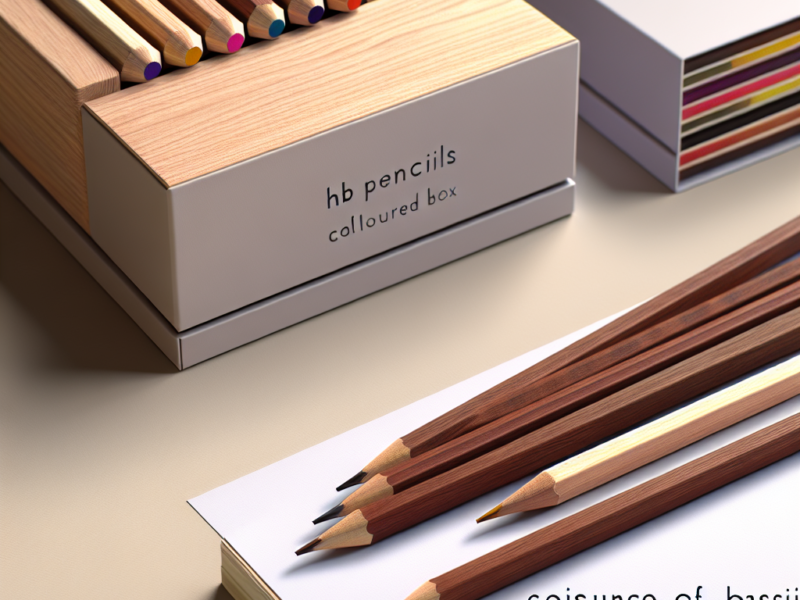
When it comes to crafting high-quality wooden pencils, few factors are as critical yet often overlooked as the consistency of the wood grain—especially in basswood pencils. While most consumers focus on the graphite grade or exterior finish, manufacturers and artisans know that the internal structure of the wood plays a defining role in performance, durability, and user experience. In this article, we’ll explore why consistent grain matters in wood grain pencils, how it affects the quality of basswood as a pencil material, and what this means for both end users and pencil manufacturers.
Why Basswood is a Popular Choice for Pencil Manufacturing
Basswood, also known as Tilia or linden wood, is a lightweight, soft hardwood that’s prized for its workability and smooth texture. Its fine, even grain makes it an ideal candidate for pencil slats, especially when compared to alternatives like cedar or jelutong. Unlike cedar, which has a distinct aroma and more pronounced grain pattern, basswood offers a neutral scent and uniform appearance, which are advantageous in large-scale manufacturing.
One of the key reasons basswood is favored is its ease of sharpening. The wood cuts cleanly without splintering, which is especially important for maintaining the integrity of the pencil tip during repeated use. Moreover, basswood is more sustainable and cost-effective to source, particularly in Asian and Eastern European markets, making it a logical choice for OEM pencil production.
The Role of Wood Grain in Pencil Performance
The grain of the wood refers to the alignment, texture, and pattern of the fibers within the wood. In wood grain pencils, consistency in this grain is essential for several reasons:
- Sharpening Uniformity: Consistent grain ensures that the pencil sharpens evenly, preventing jagged edges or broken tips.
- Structural Integrity: Uniform grain reduces the risk of cracking or splitting, especially under pressure or when dropped.
- Aesthetic Appeal: Even grain patterns contribute to a smoother, more visually appealing finish, which is especially important in premium pencil lines.
Irregular grain can lead to unpredictable sharpening behavior, often resulting in broken leads or uneven points. This is particularly problematic for artists and professionals who rely on precision. A pencil with inconsistent wood grain may also feel rougher in the hand, diminishing the tactile satisfaction that many users seek in wooden writing instruments.
Manufacturing Insights: How Grain Consistency is Achieved
In pencil manufacturing, especially in high-volume production lines, achieving consistent grain in basswood requires careful selection and processing. The steps typically include:
- Log Sorting: Logs are selected based on age, straightness, and fiber uniformity. Older trees with tighter rings often produce better grain consistency.
- Quarter Sawn Milling: This method of cutting logs perpendicular to the growth rings helps produce slats with straighter, more uniform grain lines.
- Kiln Drying: Controlled drying reduces internal stress in the wood, which helps maintain grain alignment and minimizes warping.
- Slat Grading: Slats are visually and mechanically inspected to ensure they meet grain uniformity standards before being routed and glued around graphite cores.
Even with basswood’s natural advantages, these steps are crucial for ensuring that the final pencil product meets performance and aesthetic expectations. Manufacturers who skip or rush these steps often produce pencils with inconsistent quality, leading to higher defect rates and lower customer satisfaction.
Comparison: Basswood vs. Cedar for Grain Consistency
| Feature | Basswood | Cedar |
|---|---|---|
| Grain Uniformity | High (tight, fine grain) | Moderate (more pronounced grain) |
| Sharpening Ease | Very easy | Easy |
| Aesthetic Finish | Smooth and neutral | Rich and aromatic |
| Cost Efficiency | More affordable | Premium-priced |
| Sustainability | High (fast-growing) | Moderate (slower-growing) |
While cedar remains a classic choice, basswood’s superior grain consistency and economic advantages make it the preferred material for many modern pencil manufacturers. Especially for large-scale OEM production, basswood offers a reliable balance between quality and cost.
How Grain Impacts the User Experience
For the end user, the consistency of the wood grain may not be immediately visible, but its effects are certainly felt. A pencil with uniform grain feels smoother in the hand, sharpens predictably, and resists breakage. These qualities contribute to a more enjoyable and efficient writing or drawing experience.
In artistic applications, where pressure sensitivity and line control are critical, even minor inconsistencies in the wood can affect the outcome. A pencil that splinters or sharpens unevenly can interrupt workflow and reduce precision. This is why many artists and illustrators prefer premium pencils made from high-grade basswood with consistent grain.
Quality Control in Basswood Pencil Production
Leading pencil manufacturers implement rigorous quality control measures to ensure consistent wood grain in their products. These include:
- Moisture Content Testing: Ensuring slats are dried to optimal levels (typically 6–8%) to prevent warping or splitting.
- Grain Alignment Checks: Using visual inspection and scanning technologies to verify uniformity.
- Sharpening Trials: Random samples are sharpened to test performance before full-scale production.
These steps are essential for maintaining high standards, especially for brands that market themselves as premium or artisanal. For OEM clients, consistent grain is also a hallmark of reliability and a key factor in brand reputation.
Environmental and Sustainability Considerations
In today’s eco-conscious market, the choice of wood species and how it’s processed matters more than ever. Basswood stands out not only for its performance but also for its environmental profile. It’s a fast-growing species that can be sustainably harvested with minimal ecological impact.
Moreover, the use of natural wood in pencils—particularly those with basswood quality—aligns with broader trends in sustainable product design. As discussed in this article on wooden mechanical pencils, the tactile and sustainable nature of wood makes it a superior choice over plastic-based alternatives. This is especially relevant for consumers seeking eco-friendly writing tools without compromising on performance.
Industry Reference: Art, Craftsmanship, and Tradition
Wooden pencils, particularly those made from basswood, are more than just tools—they’re a continuation of a centuries-old tradition of craftsmanship. As explored in this article on pencil wood types, the connection to natural materials enhances the sensory experience of writing and drawing. The feel of the grain, the smell of the wood, and the smooth glide of the graphite all contribute to a more immersive and satisfying practice.
This traditional appeal is also what makes wooden pencils the preferred choice for many artists, as noted in a comparison of mechanical vs. wooden pencils. While mechanical pencils offer convenience, they lack the organic feedback and subtle resistance that wooden pencils provide—qualities that are directly influenced by the consistency and quality of the wood grain.
Signs of Poor Grain Quality in Pencils
Consumers can identify inferior grain quality in basswood pencils through several telltale signs:
- Splintering when sharpened
- Uneven or jagged pencil tips
- Visible knots or irregular grain patterns
- Frequent lead breakage
While some of these issues may stem from poor core bonding or substandard graphite, inconsistent wood grain is often the root cause. Investing in pencils from reputable brands or OEMs that prioritize material quality can mitigate these problems.
Conclusion: Grain Consistency Defines Pencil Excellence
In the world of wooden pencils, especially those crafted from basswood, the consistency of the wood grain is far more than a cosmetic detail—it’s a fundamental quality indicator. From manufacturing efficiency and sharpening behavior to user comfort and artistic precision, grain uniformity affects every aspect of a pencil’s performance. As more consumers and professionals seek sustainable, high-quality writing instruments, understanding the role of wood grain becomes essential.
Whether you’re an artist, manufacturer, or simply a pencil enthusiast, recognizing the importance of basswood quality and grain consistency can help you make more informed choices. And in a market where craftsmanship and sustainability are increasingly valued, these details matter more than ever.
For further reading on the aesthetic and functional benefits of wooden pencils, visit this industry article on wooden pencil quality.