
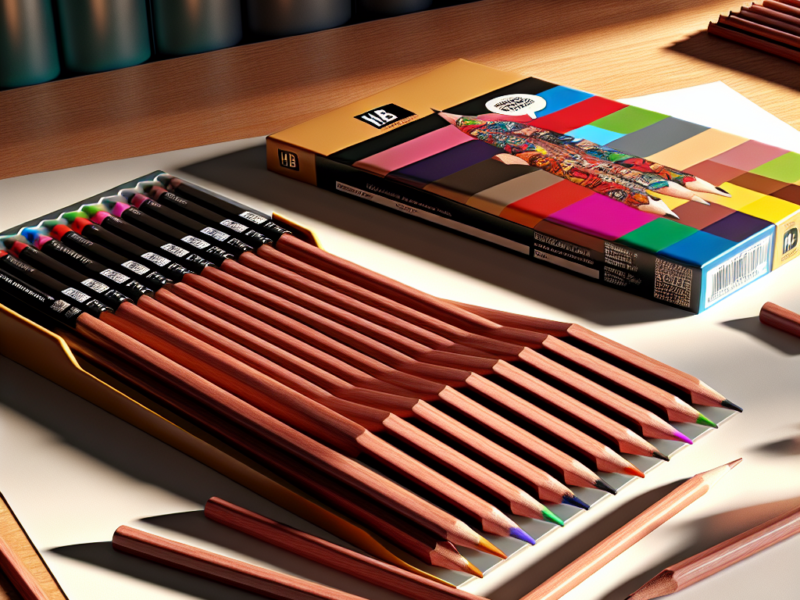
In the world of promotional products, few items are as timeless and functional as the humble pencil. But when it comes to using pencils as branding tools, precision matters. From corporate giveaways to retail merchandising, the accuracy of the printed logo, colors, and messaging on pencils plays a critical role in upholding a brand’s identity. Branding accuracy pencils aren’t just about aesthetics—they’re about trust, recognition, and consistency across every touchpoint.
Why Print Accuracy Matters in Pencil Branding
Print accuracy isn’t just a nice-to-have—it’s a necessity. Inconsistent branding, especially on widely distributed items like pencils, can dilute a company’s image and confuse consumers. Unlike digital assets that can be updated instantly, printed materials have permanence. Once a batch of pencils is printed and distributed, any error—whether in color, font, or alignment—becomes a lasting representation of your brand.
Pencils, though small in size, are often used in high-exposure environments: classrooms, offices, conferences, and retail counters. A well-branded pencil can reinforce your brand identity with every stroke. But if the print is off-center, the color is mismatched, or the logo is distorted, it sends a message of carelessness. That’s why companies serious about brand consistency must pay close attention to how their branding is printed on these everyday tools.
The Role of Color Consistency in Pencil Branding
Color is one of the most recognizable elements of a brand. From Coca-Cola red to Tiffany blue, consistent use of color builds familiarity and emotional connection. In the context of pencils, achieving consistent color reproduction—especially on non-white surfaces like natural wood or painted barrels—requires technical precision.
According to EHG’s guide on color management, the key to color fidelity lies in standardized color profiles and calibrated printing processes. This is particularly important for pencils, where the substrate (wood or plastic) can affect how ink appears. Manufacturers must account for these variables using Pantone matching systems, UV printing calibration, and ink adhesion tests to ensure the final product aligns with the brand’s official color palette.
| Color Management Factor | Importance in Pencil Printing |
|---|---|
| Pantone Matching | Ensures brand colors are reproduced accurately on different materials |
| Substrate Compatibility | Accounts for how ink reacts with wood, plastic, or lacquer finishes |
| Print Method (Pad vs. Screen) | Impacts ink thickness, color saturation, and precision |
| Ink Type | UV, solvent, or water-based inks affect drying time and durability |
Print Techniques Used in Pencil Manufacturing
Different printing methods offer varying levels of quality, cost-efficiency, and durability. Choosing the right method is essential for maintaining branding accuracy on pencils. Here are the most common techniques:
- Pad Printing: Ideal for curved or uneven surfaces, pad printing transfers ink from a silicone pad onto the pencil. It’s cost-effective but limited in color depth and resolution.
- Screen Printing: Suitable for flat or slightly curved surfaces, screen printing allows for vibrant colors and better ink coverage. However, it’s less precise for small fonts or intricate logos.
- Digital UV Printing: Offers high-resolution, full-color prints with excellent durability. UV printing is perfect for short runs and complex designs but comes at a higher cost.
- Hot Foil Stamping: Used for metallic effects, this method adds a premium look but is limited in color options and detail.
Each method has trade-offs. For example, pad printing might be sufficient for a simple logo, but if your brand relies heavily on color gradients or fine typography, digital UV might be the better option. Understanding these differences helps businesses choose the right process to preserve their brand identity.
Standardization: The Backbone of Brand Consistency
One of the core insights from the RGS Group is the importance of standardization in branding. This applies directly to pencils. Whether you’re printing on wooden carpenter pencils or mechanical pencils with plastic barrels, maintaining uniformity in logo size, placement, and color is vital.
To achieve this, manufacturers often rely on digital templates and jigs that position the pencil precisely during printing. Color swatches are matched using spectrophotometers, and proofs are approved before mass production. These quality control steps ensure every pencil, regardless of batch or production date, looks and feels the same.
Challenges in Achieving Branding Accuracy on Pencils
Despite advancements in print technology, several challenges persist in achieving branding accuracy on pencils:
- Material Variability: Wood grain, porosity, and finish can affect ink absorption and color appearance.
- Surface Curvature: Pencils are cylindrical, making alignment and distortion common issues in print transfer.
- Size Constraints: Limited surface area restricts the amount of text or detail that can be included.
- Batch Inconsistencies: Slight changes in material batches or ink lots can lead to visible differences in print output.
These hurdles can be overcome with rigorous quality control and collaboration between designers, print technicians, and manufacturers. Some companies even invest in pre-production sampling and real-time inspection systems to catch errors before full-scale production begins.
Emotional Impact of Tactile Branding
The tactile nature of pencils gives them a unique branding advantage. Unlike digital ads that disappear in seconds, a pencil is held, used, and often kept for months. The Schiele Group highlights how print materials evoke emotional responses through touch and physical interaction. This is especially true for pencils, which can become daily companions for users.
When a pencil feels well-made and carries a crisp, consistent brand mark, it creates a subtle but powerful association with quality and reliability. On the flip side, a poorly printed pencil can make even a reputable brand appear careless. This emotional connection underscores why branding accuracy is not just a technical issue—it’s a strategic one.
OEM and Custom Pencil Manufacturing: What Brands Should Know
For brands considering custom pencil production through OEM (Original Equipment Manufacturer) partners, understanding the production workflow can help maintain control over brand integrity. The typical OEM process includes the following steps:
- Design Submission: Brand submits logo files, color codes, and layout preferences.
- Material Selection: Choose from cedar, basswood, recycled paper, or plastic for the pencil body.
- Printing Method Selection: Based on design complexity and budget.
- Sample Approval: Physical or digital proofs reviewed for color and alignment accuracy.
- Mass Production: Automated printing and packaging based on approved sample.
- Quality Control: Spot checks and batch testing ensure consistency.
Brands should work closely with OEM partners to establish clear specifications and tolerances. This includes acceptable color deviation (usually within ΔE 1.5), logo placement accuracy (±0.5mm), and print durability (e.g., resistance to abrasion or smudging).
Cost vs. Quality: Finding the Right Balance
Budget constraints often tempt companies to cut corners on print quality. But when it comes to pencils—products that are handled directly by consumers—this can be a costly mistake. A poorly printed pencil not only diminishes perceived value but also undermines the brand’s credibility.
Investing in higher-quality printing, even if it raises unit costs by a few cents, can yield significant ROI through enhanced brand perception and customer retention. Consider the following comparison:
| Feature | Low-Cost Printing | High-Quality Printing |
|---|---|---|
| Color Accuracy | ±10% variance | ±2% variance |
| Durability | Prone to smudging | Scratch-resistant ink |
| Logo Clarity | Blurry edges | Crisp and legible |
| Brand Perception | Inconsistent | Professional and reliable |
Best Practices for Ensuring Branding Accuracy
To maintain consistent branding across pencil products, follow these best practices:
- Use Vector Files: Always provide logos in vector format (AI, EPS, SVG) to avoid pixelation.
- Specify Pantone Colors: Avoid CMYK approximations for brand-critical colors.
- Request Pre-Production Samples: Verify print quality before mass production.
- Audit Batches: Periodically inspect production runs to catch deviations early.
- Work with Reputable Manufacturers: Choose partners with proven experience in promotional printing and color management.
Conclusion: Precision Builds Trust
In a competitive marketplace, every detail matters. Pencils may be small, but their impact on brand perception is substantial. By prioritizing branding accuracy pencils, businesses can ensure that each promotional item reinforces their identity, builds trust, and leaves a lasting impression. Whether you’re a startup looking to make your mark or a global brand reinforcing your legacy, the key lies in precise, consistent, and high-quality print execution.
For more insights on maintaining branding consistency through print, explore these industry references:
- Why Branding Consistency Starts with Print – Schiele Group
- Consistent Branding Across Print Materials – RGS Group
- Mastering Color Management – EHG
- Color Accuracy in Print Marketing – PRP Company
Related Reading
- Boost Branding with Heat Transfer Pencils OEM Solutions
- UV Printing Pencils OEM for Premium Custom Branding
- European Sourcing Transparency Drives Pencil Compliance Standards
- Direct Pencil Factory Benefits for Smarter Brand Growth
- Poplar vs Jelutong Pencil Wood Alternatives Explained
- Technical Drawing Pencils Guide to Grading and Hardness