
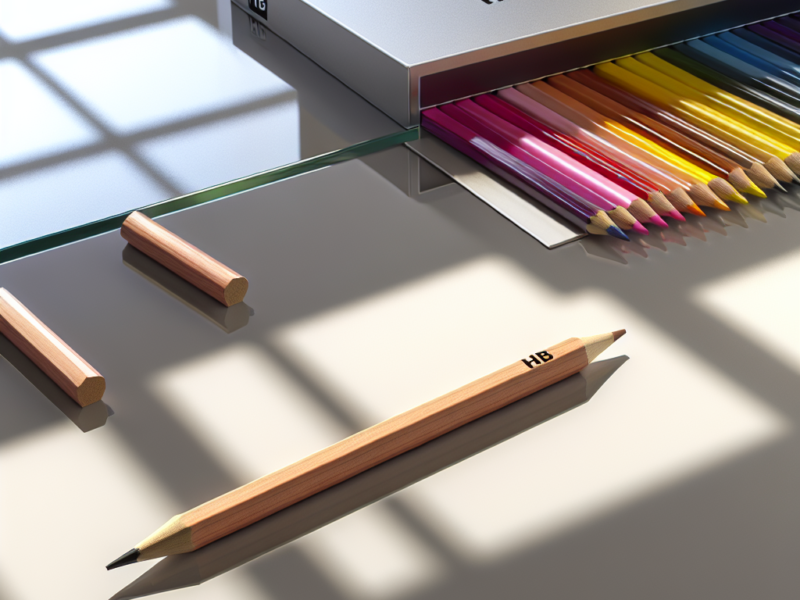
In a world increasingly dominated by digital tools, the humble pencil still holds its ground—especially in schools and offices. Among the many varieties available today, the indelible pencil stands out for its unique blend of permanence and practicality. Whether you’re a procurement officer looking to buy pencils in bulk or a teacher seeking reliable writing instruments for your classroom, understanding the uses and advantages of indelible pencils can inform smarter purchasing decisions and improve workflow efficiency.
What Is an Indelible Pencil?
An indelible pencil is a writing instrument designed to make marks that are resistant to erasure, water, and fading over time. Unlike standard graphite pencils, which can be easily erased or smudged, indelible pencils typically contain a combination of dyes, pigments, and sometimes chemicals that react with moisture to create a lasting impression on paper. These features make them ideal for official documentation, archival work, and environments where permanence is paramount.
Historically, these pencils were often referred to as “copying pencils” because they were used to create duplicates of documents before the advent of carbon paper and photocopiers. As explored in this in-depth look at copying pencils, their chemical composition allowed for both writing and document duplication—a fascinating precursor to modern copy technologies.
Why Indelible Pencils Still Matter in Modern Classrooms
Despite the proliferation of tablets and whiteboards, pencils remain a staple in educational settings. Indelible pencils, in particular, offer several advantages that make them suitable for specific classroom applications.
- Permanent Marking: Ideal for labeling student folders, grading papers, and marking attendance sheets where information should not be altered.
- Water Resistance: Useful in science labs or art rooms where spills are common. Notes and diagrams remain legible even if exposed to moisture.
- Non-Erasable Testing: In assessments where answers must be final, indelible pencils ensure students cannot change responses after submission.
According to this overview of pencil uses in schools, pencils continue to play an essential role in student development—supporting everything from handwriting practice to creative expression. Adding indelible pencils to your school supply list can enhance both accountability and durability in student work.
Office Applications: When Permanence Is a Priority
In professional environments, the need for reliable, tamper-resistant writing tools is even more critical. Indelible pencils shine in the following office scenarios:
| Use Case | Why Indelible Pencils Excel |
|---|---|
| Signing Official Documents | Creates a permanent, non-erasable signature—especially important in legal or financial paperwork. |
| Medical & Dental Records | Ensures clarity and longevity in patient files, even in high-humidity environments. |
| Labeling Files & Folders | Prevents accidental erasure or smudging during handling and storage. |
| Archival Documentation | Ideal for long-term storage of written records, as the marks resist fading over time. |
As highlighted in this historical review of indelible pencils, professionals in fields like healthcare and law have long relied on these tools for their clarity and durability. Choosing the right pencil isn’t just a matter of preference—it can affect compliance, accuracy, and even legal validity.
Material Composition: What Makes It Indelible?
The secret behind an indelible pencil’s staying power lies in its core composition. Unlike standard pencils that use a clay-graphite mix, indelible pencils often feature:
- Aniline Dyes: These water-soluble dyes react with moisture (often from a damp cloth or even saliva) to produce a vivid, ink-like mark.
- Wax or Oil Binders: These help the pigment adhere to paper fibers and resist smudging.
- Harder Casing: Often encased in high-density wood, which supports fine, controlled writing without breaking.
For those involved in conservation or archival work, understanding this composition is critical. As detailed in this conservation-focused article, the chemical makeup of copying and indelible pencils affects how historical documents are preserved and restored. This knowledge is not only valuable for museums and libraries but also for businesses maintaining long-term records.
Pros and Cons: Indelible vs. Standard Pencils
| Feature | Indelible Pencil | Standard Graphite Pencil |
|---|---|---|
| Erasure | Not erasable | Easily erasable |
| Water Resistance | High | Low |
| Suitability for Legal Use | Excellent | Poor |
| Archival Longevity | High | Moderate |
| Writing Feel | Slightly firmer, ink-like | Smooth and soft |
This comparison clarifies why indelible pencils are preferred in environments where permanence is non-negotiable. However, they may not be the best choice for situations requiring frequent edits or soft shading, such as in art or draft work.
Buying Guide: What to Look for in a Pencil Supplier
If you’re looking to buy pencils—especially indelible ones—for your school or office, choosing the right pencil supplier is crucial. Here are some key criteria to consider:
- Product Range: Does the supplier offer a variety of indelible pencils, including different hardness levels and color options?
- OEM Services: For institutions or brands, custom labeling and packaging can be a valuable option.
- Material Transparency: The best suppliers can provide detailed specs on core composition, casing wood, and safety certifications.
- Bulk Pricing: Look for tiered pricing structures for educational and corporate accounts.
- Sustainability: Suppliers using FSC-certified wood or eco-friendly dyes are increasingly in demand.
Whether you’re sourcing for a school district or outfitting a legal office, aligning with a reputable supplier ensures consistent quality and cost efficiency. Don’t hesitate to request samples or certificates of compliance before placing large orders.
Creative and Niche Uses You Might Not Expect
Beyond the classroom and office, indelible pencils find utility in more niche applications:
- Art Conservation: Used to make notations on artwork or frames without risk of fading or smudging.
- Outdoor Fieldwork: Biologists and geologists often use indelible pencils to take notes in damp or rugged environments.
- Labeling in Cold Storage: In labs or food storage facilities, indelible pencils mark surfaces where ink pens might freeze or smear.
These use cases reaffirm the pencil’s versatility and underscore why the right tool can make a significant difference in accuracy, efficiency, and durability.
Conclusion: The Enduring Value of Indelible Pencils
Whether you’re managing a classroom, running an office, or curating archival materials, the role of the indelible pencil is far from obsolete. Its ability to produce lasting, legible marks makes it indispensable in environments where permanence matters. From historical significance to modern utility, these pencils bridge the gap between analog reliability and professional precision.
As you evaluate options to buy pencils in bulk or upgrade your current inventory, consider adding indelible pencils to your toolkit. Partnering with a knowledgeable pencil supplier can ensure you get the right product for your needs—backed by quality, consistency, and value.