
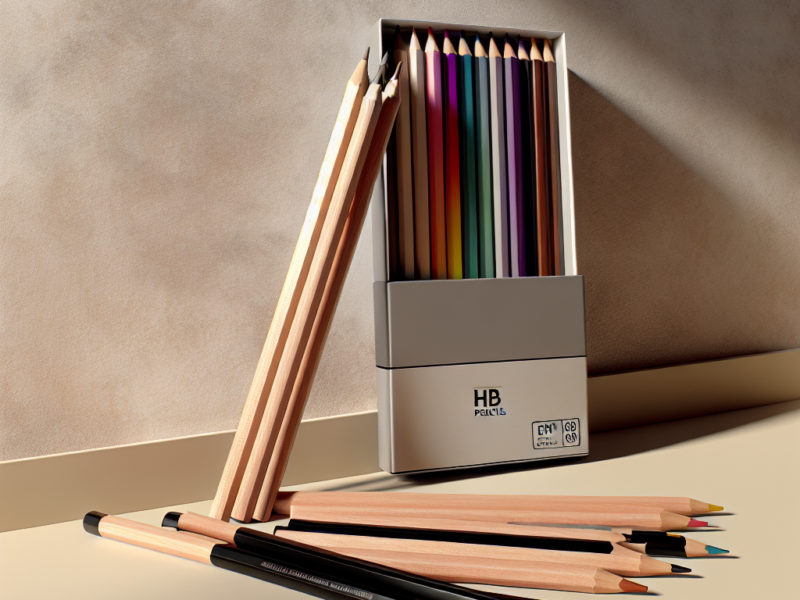
When it comes to children’s art supplies, safety isn’t just a feature—it’s a fundamental requirement. Parents, educators, and retailers alike are increasingly scrutinizing the materials used in products like pencils, crayons, and markers. This is where EN71-approved materials pencils come into sharp focus. The EN 71 certification, a European standard for toy safety, ensures that products intended for children meet stringent health and safety criteria. For manufacturers and suppliers in the stationery industry, understanding and adhering to EN 71 isn’t optional—it’s essential for credibility, compliance, and consumer trust.
What Is EN 71 and Why Does It Matter?
EN 71 is a set of European safety standards that apply to all toys and products intended for children under the age of 14. These regulations are part of the broader EU Toy Safety Directive and are designed to prevent health risks from physical hazards, flammability, and chemical exposure. For pencils and art supplies, EN 71 primarily focuses on chemical composition—ensuring that materials like pigments, binders, and wood are free from toxic substances such as lead, cadmium, and phthalates.
EN 71 compliance is not just a technicality; it’s a legal requirement for selling children’s products in the European Union. More importantly, it’s a symbol of quality and responsibility. Products that meet EN 71 standards are often marked with the CE symbol, signaling to consumers that the item has passed rigorous testing and is safe for use by children.
EN71-Approved Materials in Pencil Manufacturing
To produce EN71-compliant pencils, manufacturers must carefully select every component of the product. From the core to the casing and even the lacquer coating, each element must pass chemical safety tests. Here’s a breakdown of the typical materials used in EN71-approved materials pencils:
| Component | Material | Safety Consideration |
|---|---|---|
| Core | Graphite or Pigmented Clay | Non-toxic, heavy metal-free |
| Wood Casing | Sustainably sourced cedar or basswood | FSC-certified, untreated with harmful preservatives |
| Paint/Lacquer | Water-based or solvent-free coatings | Free from lead, phthalates, and aromatic amines |
| Eraser | Natural rubber or PVC-free synthetic rubber | No phthalates or heavy metals |
| Adhesives | Water-based glues | Low VOC, non-toxic |
Each of these materials must undergo chemical analysis under EN 71-3, the section of the standard that specifically addresses the migration of certain elements. This ensures that even if a child chews on or ingests part of a pencil, it won’t pose a toxicological risk.
Why Manufacturers Should Prioritize EN 71 Compliance
For brands operating in the children’s stationery market, EN 71 compliance is more than a regulatory checkbox—it’s a strategic advantage. According to SproutWorld, a company known for its eco-friendly pencils, EN 71 certification helps establish trust with parents and educators who prioritize safety. Their CE-marked products demonstrate a commitment to both quality and responsibility, which resonates strongly in an increasingly cautious market.
Moreover, non-compliance can lead to severe consequences, including product recalls, fines, and reputational damage. In contrast, displaying the CE mark and referencing EN 71 compliance in marketing materials can enhance brand credibility and open doors to major retail partnerships across the EU.
How EN71 Testing Works
EN 71 testing is typically conducted by accredited third-party laboratories. These labs evaluate products according to several parts of the standard, with EN 71-3 being the most relevant for pencils and art supplies. Here’s a simplified overview of the process:
- Sample Submission: The manufacturer submits product samples to a certified testing lab.
- Chemical Analysis: The lab tests for heavy metals and other restricted substances using standardized methods.
- Migration Testing: Tests simulate conditions like saliva exposure to evaluate how much of each substance could be ingested.
- Compliance Report: If all substances are within safe limits, the lab issues a compliance certificate.
Once certified, the manufacturer can label their product with the CE mark and reference EN 71 compliance in documentation and packaging.
Sustainability and Safety Go Hand-in-Hand
Safety is only one piece of the puzzle. Increasingly, consumers are also looking for environmentally responsible products. The Pencils.com Buying Guide highlights how many high-quality pencils now carry dual certifications—EN 71 for safety and FSC (Forest Stewardship Council) for sustainable wood sourcing.
This dual compliance appeals to eco-conscious parents and educators who want to ensure that their purchase supports both child safety and environmental stewardship. In fact, many school supply procurement policies now require documentation of both safety and sustainability certifications before approving vendors.
Case Study: STAEDTLER and CE-Marked Pencils
STAEDTLER, one of the world’s leading pencil manufacturers, exemplifies best practices in regulatory compliance. According to Compliance Gate, STAEDTLER pencils are CE-marked and fully compliant with EN 71 standards. Their commitment to safety is evident in their transparent labeling and product documentation, which reassures both retailers and end-users.
By maintaining compliance, STAEDTLER not only avoids legal pitfalls but also reinforces a brand image synonymous with quality and responsibility. This level of diligence is particularly important in educational settings, where product safety is non-negotiable.
Challenges in Achieving EN 71 Compliance
While the benefits of EN 71 compliance are clear, achieving it can be complex. Here are some common challenges manufacturers face:
- Material Sourcing: Ensuring that all raw materials meet safety standards can require extensive supplier audits and documentation.
- Cost Implications: Safer, certified materials often come at a premium, impacting production costs.
- Testing Delays: Lab testing can take several weeks, potentially delaying product launches.
- Regulatory Updates: EN 71 standards are occasionally revised, requiring ongoing compliance monitoring.
Despite these hurdles, the long-term benefits—market access, consumer trust, and brand integrity—far outweigh the initial investment.
Transparency Builds Trust
Consumers today are more informed than ever. Companies like eeBoo demonstrate how transparency in safety practices can become a powerful marketing tool. By clearly outlining their testing procedures and certifications, they empower customers to make confident, informed choices.
This level of openness is especially valuable in the children’s product sector, where parents are naturally cautious. When a brand can confidently state that its pencils are EN 71-compliant, responsibly sourced, and independently tested, it sends a strong message of credibility and care.
How Retailers and Educators Can Verify Compliance
For retailers and educators responsible for purchasing supplies, verifying EN 71 compliance is crucial. Here are a few steps to ensure you’re sourcing safe products:
- Look for the CE Mark: This indicates that the product meets EU safety standards, including EN 71.
- Request Test Reports: Reputable manufacturers should provide EN 71 test certificates upon request.
- Check for FSC Certification: For added environmental assurance, look for FSC or similar sustainability labels.
- Review Manufacturer Transparency: Brands that openly share their compliance processes are more likely to be trustworthy.
Conclusion: Safety Is the New Standard
As the demand for safer, more sustainable school and art supplies grows, EN71-approved materials pencils are setting the benchmark for responsible manufacturing. From raw material selection to final product testing, every step in the supply chain must align with stringent safety criteria. For manufacturers, this means investing in quality and transparency. For retailers and educators, it means choosing partners who prioritize compliance. And for parents, it means peace of mind, knowing their children can create freely and safely.
In a world where safety, sustainability, and trust are interconnected, EN 71 compliance isn’t just a regulation—it’s a reflection of brand values and consumer respect.