
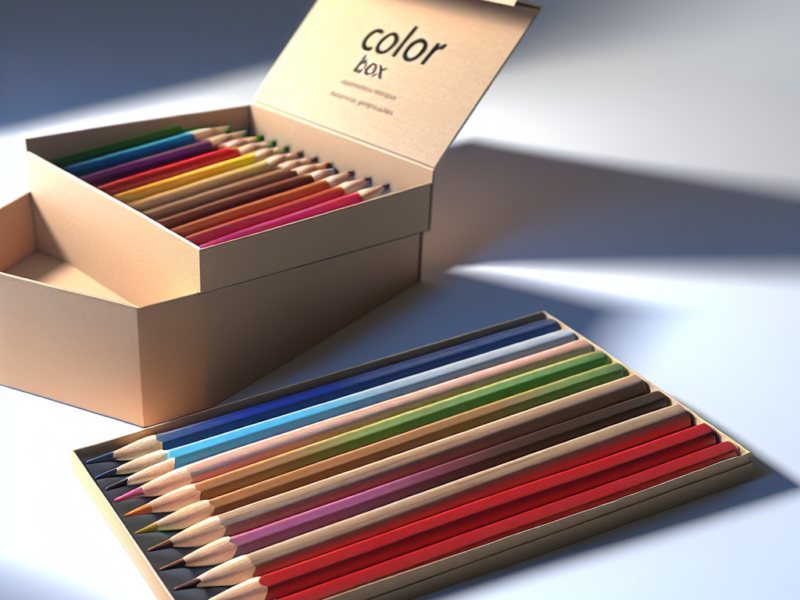
In the world of premium stationery and professional art supplies, performance is everything. Whether you’re sketching fine architectural lines or jotting down notes in a fast-paced office, the quality of your pencil matters. One of the most significant yet often overlooked innovations in pencil manufacturing is multi-coating pencils. This advanced technique is reshaping how pencils are made—enhancing both their durability and precision.
But what exactly is multi-coating, and why does it matter for something as seemingly simple as a pencil? Let’s explore the science, manufacturing methods, and real-world advantages of this game-changing technology.
Understanding Multi-Coating in Pencil Manufacturing
At its core, multi-coating refers to the application of multiple protective and functional layers over a pencil’s surface. These layers can serve various purposes: from improving scratch resistance and grip to enhancing aesthetic appeal and ensuring environmental protection. Unlike traditional single-layer coatings, multi-coating allows for a more tailored and high-performance finish.
Think of it like this: just as a smartphone screen might have anti-glare, anti-fingerprint, and scratch-resistant coatings stacked on top of each other, a pencil can benefit from similar multifunctional layering. Each layer plays a distinct role, and together they form a composite shell that protects and optimizes the pencil.
Why Go Multi? Comparing Single vs. Multi-Coating Approaches
To understand the value of multi-coating, it helps to compare it with traditional single-layer coating methods. Here’s a quick breakdown:
| Feature | Single-Layer Coating | Multi-Layer Coating |
|---|---|---|
| Durability | Basic protection; prone to wear | Enhanced resistance to scratches, moisture, and impact |
| Precision | Minimal grip or texture control | Customizable grip and surface texture for better control |
| Manufacturing Flexibility | Limited to one finish type | Multiple finishes (matte, gloss, textured) in one process |
| Environmental Resistance | Vulnerable to humidity and temperature changes | Improved protection against environmental factors |
As highlighted in a comparative study by RichsMarTech, multi-layer coating machines provide superior performance for applications that demand resilience and longevity. In pencil manufacturing, this translates directly into longer-lasting, more reliable products—especially critical in professional and educational settings.
Layer by Layer: How Multi-Coating Works
Multi-coating isn’t just about stacking layers haphazardly. It’s a precisely engineered process where each layer is formulated and applied to serve a specific function. Here’s a simplified workflow of how multi-coating is typically implemented in pencil production:
- Base Layer (Primer): Prepares the wood or casing surface for optimal adhesion of subsequent layers.
- Functional Layer: May include moisture barriers, anti-slip textures, or impact resistance elements.
- Color Layer: Applies the pencil’s visual identity—brand colors, patterns, or aesthetic finishes.
- Top Coat (Protective Layer): Seals everything in, offering UV protection, gloss/matte finish, and scratch resistance.
Modern systems, like the Valmet OptiCoat Layer, allow manufacturers to apply these layers simultaneously or in sequence, depending on the desired outcome. This modularity is key to achieving the high performance expected in today’s premium pencils.
Precision in Practice: How Coatings Improve Control
For artists, architects, and designers, control is everything. A pencil that slips in your hand or produces inconsistent strokes can ruin hours of meticulous work. Multi-coating allows manufacturers to fine-tune the surface texture of the pencil body, improving grip and tactile feedback.
For example, a matte outer coating can reduce slippage due to sweat or humidity—ideal for field sketching or long studio sessions. Meanwhile, a semi-gloss inner layer can enhance the visual appeal without compromising function. This dual-purpose design is only possible through multi-layered coating processes.
As noted by SCS Coatings, multilayer technologies also ensure 3D conformity, meaning the coating adheres uniformly to complex shapes and contours. This is particularly valuable in ergonomic pencil designs, where grooves and angles must be uniformly coated for consistent performance.
Durability That Withstands Real-World Use
Beyond aesthetics and grip, durability is a cornerstone of pencil quality. Multi-coating significantly enhances a pencil’s resistance to chipping, cracking, and environmental wear. This is especially important in educational settings, where pencils are often dropped, chewed, or exposed to moisture.
Thanks to innovations like Carestream’s simultaneous multilayer coating, manufacturers can enhance production speed without sacrificing quality. This technique allows multiple coatings to be applied in a single pass, reducing waste and ensuring consistent layer thickness. The result? A pencil that lasts longer, performs better, and costs less to produce over time.
Eco-Friendly Advantages of Multi-Coating
In today’s manufacturing landscape, sustainability is more than a buzzword—it’s a necessity. Multi-coating pencils can contribute to greener production in several ways:
- Reduced Waste: Simultaneous application methods minimize excess material usage.
- Longer Product Life: Durable coatings reduce the need for frequent replacement.
- Targeted Functionality: Each layer can be optimized to reduce the use of harmful additives or solvents.
These eco-conscious benefits align with modern consumer expectations and regulatory standards, making multi-coating a smart choice for pencil brands looking to enhance both quality and sustainability.
Use Cases: Who Benefits Most from Multi-Coating Pencils?
While any user can appreciate a well-made pencil, certain groups benefit most from multi-coated designs:
- Artists: Enhanced grip and consistent output for sketching, shading, and detail work.
- Students: Durable and comfortable pencils that withstand daily classroom use.
- Engineers & Architects: Precision tools that offer control and reliability during technical drawing.
- Office Professionals: Sleek, long-lasting pencils that maintain their appearance and functionality.
For OEMs and private label brands, offering multi-coated pencils can be a distinguishing factor in a crowded market. It signals a commitment to quality, innovation, and user satisfaction.
Challenges and Considerations in Multi-Coating
Despite its many advantages, multi-coating isn’t without challenges. Manufacturers must invest in specialized equipment and skilled technicians to manage the layering process. Precise control over viscosity, drying times, and material compatibility is essential to prevent defects such as bubbling, uneven finishes, or delamination.
However, advances in coating machinery—like those highlighted by RichsMarTech—have made these challenges increasingly manageable. Modern multi-coating systems offer real-time monitoring, automation, and adaptability across different materials and product lines.
Final Thoughts: A Small Innovation with Big Impact
In the realm of stationery, innovation often hides in plain sight. Multi-coating may seem like a minor tweak in the pencil production process, but its effects are far-reaching. From improving grip and durability to enabling sustainable manufacturing, this technology exemplifies how thoughtful engineering can elevate even the simplest tools.
As demand grows for higher-quality writing instruments that perform under pressure, multi-coating pencils are poised to become the new standard. Whether you’re an artist, a student, or a brand looking to differentiate your product, embracing this coating technology is a smart—and strategic—move.
For more on multilayer coating technologies and their industrial applications, explore SCS Coatings’ insights or learn about Carestream’s sustainable coating solutions.
“`html
Related Reading
- How to Prevent Pencil Scratches in Manufacturing
- How Clay Ratio Affects Pencil Durability Most
- Coating Thickness QC Methods for Precision Manufacturing
- Pencil Coating Defects and QC Solutions Explained
- Pencil Coating Machine Speed Boosts Factory Automation Efficiency
- Matte Coating Pencils vs Glossy Pencil Coating Explained
- How Barrel Size Accuracy Impacts Pencil Performance
“`