
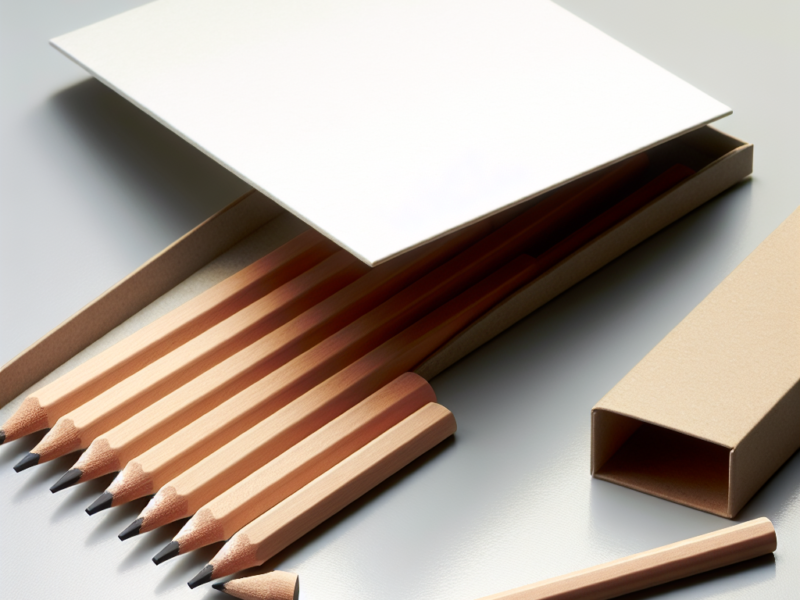
If you’ve ever browsed through school supplies or placed a bulk order for your classroom, you’ve likely noticed something curious—pre-sharpened pencils cost more than their unsharpened counterparts. At first glance, this might seem like a minor pricing quirk. But dig a little deeper, and there’s a layered story about manufacturing, logistics, and end-user value that explains the premium. For educators, office managers, and even artists, understanding this cost difference can help make smarter purchasing decisions.
The Hidden Labor Behind the Tip
One of the most straightforward reasons pre-sharpened pencils cost more is that someone, somewhere, has already done a job for you. That perfectly honed point didn’t appear magically—it was shaped by a machine, monitored by quality control, and packaged with care to avoid breakage. This extra step in the production line adds labor, equipment wear, and time, all of which contribute to the final price.
In manufacturing, each added process increases costs incrementally. Sharpening may seem simple, but when you’re producing millions of pencils, adding this step means:
- Purchasing and maintaining industrial sharpening machines
- Hiring operators or technicians to oversee the process
- Implementing quality checks to ensure consistency
- Packaging adjustments to prevent tip damage during shipping
These aren’t trivial additions. They represent real overhead for pencil manufacturers, which must be accounted for in the retail price.
Classroom Efficiency: Time Is Money
Nowhere is the value of pre-sharpened pencils more appreciated than in the classroom. Teachers, especially those managing younger students, know that sharpening pencils can become a daily disruption. A popular discussion among educators on Facebook highlights just how much time is lost to sharpening—and how much smoother the day runs with ready-to-use pencils.
Teachers report that students often go through pencils rapidly, either due to breakage, chewing, or simply heavy use. If every pencil needs to be manually sharpened, that’s precious instructional time lost. Pre-sharpened pencils, though more expensive, offer a direct solution:
- Less classroom disruption
- Faster transitions between activities
- Reduced need for communal sharpeners (and the line they create)
For many educators, the trade-off is clear. The higher cost is justified by the time saved and the smoother classroom management it enables.
Quality vs. Quantity: A Deeper Look at Materials
The price difference isn’t just about sharpening. Many pre-sharpened pencils are higher-end models, like the widely respected Ticonderoga brand. These pencils often use better wood, stronger leads, and higher-quality finishes. A Reddit thread among teachers breaks down how these pencils outperform cheaper alternatives—not just in appearance, but in longevity and reliability.
Consider the following comparison:
| Feature | Pre-Sharpened Premium Pencil | Budget Unsharpened Pencil |
|---|---|---|
| Wood Quality | Cedar or basswood (easy to sharpen, less splintering) | Mixed hardwoods (prone to splintering) |
| Lead Strength | High-density graphite (less breakage) | Lower-quality graphite (frequent breaks) |
| Point Retention | Longer-lasting sharpness | Wears down quickly |
| Finish & Coating | Smoothed, lacquered for grip | Basic or no coating |
As with colored pencils, which tend to have more pigment and smoother application, regular graphite pencils also benefit from better materials. These quality upgrades contribute to the cost—and to the user experience.
Supply Chain and Packaging Considerations
Once a pencil is sharpened, it becomes more fragile. That sharp tip is prone to breakage if not handled properly. This means manufacturers must invest in better packaging—often with protective trays or foam inserts—to ensure the pencils arrive intact.
Additionally, shipping sharpened pencils requires more care. A broken tip not only frustrates the user but also defeats the purpose of paying extra for a ready-to-use product. This added attention to packaging and logistics also factors into why pre-sharpened pencils cost more.
Bulk Buying: The Real Cost Efficiency
While the per-unit price of pre-sharpened pencils is higher, bulk purchasing can offset the cost. Schools and districts that order in large quantities often benefit from:
- Volume discounts from suppliers
- Reduced need for classroom sharpeners
- Fewer wasted pencils from breakage or improper sharpening
More importantly, the labor cost of sharpening hundreds of pencils—whether by teachers, aides, or volunteers—is eliminated. That labor has a value, even if it’s not always formally calculated.
When Pre-Sharpened Makes the Most Sense
Not every situation calls for pre-sharpened pencils. But there are clear cases where the investment pays off:
- Elementary classrooms – where students are too young to sharpen safely or efficiently
- Standardized testing environments – where time and focus are critical
- Art classes or workshops – where consistent performance is essential
- Offices or conferences – where convenience matters more than cost
In these settings, the benefits of readiness, reliability, and reduced disruption far outweigh a modest price increase.
Pros and Cons Summary
| Pre-Sharpened Pencils | Unsharpened Pencils | |
|---|---|---|
| Convenience | ✔ Ready to use | ✘ Requires sharpening |
| Time Efficiency | ✔ Saves classroom time | ✘ Slows down workflow |
| Initial Cost | ✘ Higher per unit | ✔ Lower per unit |
| Breakage Risk | ✘ Higher during shipping | ✔ Lower risk |
| Long-Term Value | ✔ Better quality, fewer replacements | ✘ May require frequent resharpening |
Final Thoughts: Value Beyond the Price Tag
When evaluating why pre-sharpened pencils cost more, it’s important to look beyond the sticker price. You’re not just paying for a sharpened tip—you’re investing in time saved, smoother operations, and often, better materials. For teachers juggling a room full of students, or professionals needing reliable tools, that added cost translates directly into value.
As with many tools, the best choice depends on your priorities. If cost per pencil is your only metric, unsharpened might win. But if you factor in labor, classroom efficiency, and product performance, pre-sharpened pencils often come out ahead.
Whether you’re outfitting a school or stocking your own studio, understanding the true cost of convenience helps you make better, more informed decisions.
“`html
Related Reading
- Pencil Sharpening Test Method Used in Factories
- Cost-Saving Packaging Tips for Pencil Manufacturers
- Cheap Pencils Break Easily for These Key Reasons
- Premium Colored Pencils Factors That Drive Up Cost
- Why Schools Choose Pre-Sharpened School Pencils
- Inside Durzerd Pencils Manufacturing for Graphite Consistency
- Direct Pencil Factory Benefits for Smarter Brand Growth
- How Clay Ratio Affects Pencil Hardness and Graphite Mixture
“`